Whether Labradoodles Get Lymphoma
Discovering a lump or noticing subtle changes in your beloved Labradoodle can send a chill down any pet parent's spine. It's natural to immediately jump to the worst-case scenarios, and sadly, one of those often includes cancer. If you've found yourself wondering whether Labradoodles are particularly susceptible to lymphoma, a common canine cancer, you're not alone. This guide aims to shed light on what lymphoma is, how it might affect your Labradoodle, and what steps you can take if you suspect something is wrong.
Understanding Lymphoma in Dogs
Lymphoma is one of the most frequently diagnosed cancers in dogs, and it's a type of cancer that originates from lymphocytes, which are a type of white blood cell crucial to the immune system. These cells are found throughout the body, in places like lymph nodes, spleen, liver, bone marrow, and even the gastrointestinal tract. Because of this widespread presence, lymphoma can appear in many different forms and locations, making it a tricky disease to pinpoint sometimes. It's not just a single disease but rather a complex group of cancers, each with its own characteristics.
The Different Faces of Canine Lymphoma
When we talk about lymphoma, it's really an umbrella term. The disease manifests in several main forms, each affecting different parts of your dog's body. The most common type, making up about 80-85% of all cases, is multicentric lymphoma. This is where the peripheral lymph nodes (the ones you can feel under the jaw, in the armpits, or behind the knees) become enlarged. You might notice these as firm, non-painful swellings.
Another common form is alimentary lymphoma, which affects the gastrointestinal tract. Dogs with this type might show signs like vomiting, diarrhea, weight loss, or a decreased appetite. Then there's mediastinal lymphoma, which impacts the lymph nodes within the chest, often leading to breathing difficulties, coughing, or excessive thirst. Cutaneous lymphoma, though less common, affects the skin, sometimes appearing as red, flaky lesions or itchy nodules. Less frequently, lymphoma can affect other organs, such as the eyes, central nervous system, or kidneys. Each type presents its own unique set of challenges and symptoms, making a thorough diagnosis by your veterinarian absolutely critical.
What Happens at a Cellular Level
At its core, lymphoma involves the uncontrolled proliferation of abnormal lymphocytes. Normally, lymphocytes are produced, mature, and then help the body fight off infections and foreign invaders. In lymphoma, however, these cells become cancerous. They multiply excessively and don't function correctly, overwhelming the healthy cells and impeding organ function. This abnormal growth can lead to the enlargement of lymph nodes or organs where these cells are found. The exact cause of lymphoma in dogs isn't fully understood, but it's believed to be a combination of genetic predisposition, environmental factors, and possibly even viral exposures. Think of it like a glitch in the body's security system, where the guard cells start turning on their own defenses.
Is Lymphoma Common in Labradoodles?
It's a question many Labradoodle owners ponder: are our beloved doodles at a higher risk for certain cancers, especially lymphoma? While lymphoma can affect any breed, there's a general understanding that certain breeds do show a higher predisposition. Both parent breeds of the Labradoodle – the Labrador Retriever and the Poodle – are known to have a moderate to high risk of developing various cancers, including lymphoma. This inherently means that Labradoodles, as a hybrid of these two breeds, often carry some of that genetic legacy.
Genetic Links and Breed Predisposition
Because Labradoodles combine the genetics of both Labradors and Poodles, they can inherit dispositions for conditions found in either breed. Unfortunately, the Poodle side, particularly Standard Poodles, is notably linked to several cancers, and lymphoma is one of them. Labrador Retrievers also have a higher incidence of certain cancers, including mast cell tumors and lymphoma, compared to some other breeds. This doesn't mean every Labradoodle will get lymphoma, but it does mean that the breed as a whole may have an elevated risk compared to a general canine population.
It's important to remember that 'hybrid vigor,' which many hope for in crossbreeds, doesn't always completely eliminate the risk of inherited diseases. While hybrid vigor can sometimes reduce the incidence of certain recessive genetic conditions, it doesn't necessarily protect against complex diseases like cancer, which often involve multiple genes and environmental factors. For more on this, you might find our article on Whether Hybrid Vigor Is Real in a Labradoodle insightful. The fact remains that if a parent breed has a predisposition, the offspring might too.
Age of Onset and Environmental Factors
Lymphoma typically affects middle-aged to older dogs, generally between 6 to 9 years of age. However, it's not unheard of to see it in younger dogs, sometimes even as young as 2 or 3 years old, especially with more aggressive forms. While genetics play a role, environmental factors are also suspected contributors. Things like exposure to certain chemicals (herbicides, pesticides), pollutants, or even chronic inflammation could potentially increase a dog's risk.
It’s hard to definitively say, "My Labradoodle got lymphoma because of X." Often, it’s a confluence of factors. This is why regular veterinary check-ups are so crucial, especially as your Labradoodle enters their senior years. You can read more about what to watch for as your dog ages in our guide on What a Labradoodle Owner Should Watch For After Eight. Early detection, regardless of breed predisposition, significantly improves prognosis and treatment outcomes.
Recognizing the Signs of Lymphoma in Your Labradoodle
The insidious nature of lymphoma often means that its early signs can be incredibly subtle, easily mistaken for general malaise or other less serious conditions. As pet parents, we know our Labradoodles best, and tuning into these slight shifts in behavior or physical appearance can be life-saving. Don't ever feel silly for trusting your gut instinct if something just feels "off" with your furry friend.
Swollen Lymph Nodes and Other Lumps
The most classic sign of multicentric lymphoma is enlarged lymph nodes. These are small, bean-shaped glands found throughout the body, playing a vital role in the immune system. In a healthy dog, they are usually not palpable or are only felt as tiny, soft nodules. When affected by lymphoma, however, they can swell significantly, sometimes to the size of a grape or even a golf ball.
You can often feel these nodes in specific areas:
- Under the jaw (mandibular lymph nodes): These are usually the first ones owners notice.
- In front of the shoulders (prescapular lymph nodes): Tucked near the chest.
- In the armpits (axillary lymph nodes): Less commonly enlarged, but possible.
- In the groin (inguinal lymph nodes): Near the inner thighs.
- Behind the knees (popliteal lymph nodes): These can be quite prominent when swollen.
These swollen nodes are typically firm and non-painful to the touch. Your Labradoodle might not act like they're in pain when you feel them, which can sometimes lull owners into a false sense of security, assuming it's not serious. But any new or persistent lump under your dog's coat warrants immediate veterinary attention. We discuss the importance of checking for these in articles like Whether a Lump Under a Labradoodle's Coat Gets Missed.
Vague Symptoms and Behavioral Changes
Beyond the noticeable lumps, lymphoma can present with a host of less specific, more generalized symptoms that are easy to overlook or attribute to something else. These might include:
- Lethargy or decreased energy levels: Your usually playful Labradoodle might seem less enthusiastic about walks or games.
- Loss of appetite or picky eating: They might turn their nose up at food they normally love, or eat less frequently.
- Weight loss: This can happen even if they appear to be eating normally, as the cancer consumes energy.
- Increased thirst and urination: Especially if there's an increase in calcium levels (a paraneoplastic syndrome associated with some lymphomas).
- Digestive upset: Vomiting, diarrhea, or changes in stool quality can indicate alimentary lymphoma.
- Difficulty breathing or coughing: If the lymphoma is in the chest (mediastinal).
- Fever: Persistent low-grade fever that isn't explained by an infection.
- Skin lesions or itchiness: For cutaneous lymphoma, you might see red, flaky patches, hair loss, or nodules on the skin that are persistent and don't respond to typical allergy treatments.
These vague signs can be particularly frustrating because they mimic so many other conditions. For comparison, some of these symptoms are similar to those seen in The Vague Signs of Addison's in a Labradoodle. The key is to notice any persistent changes in your dog's routine, energy, or bodily functions. If these signs last for more than a few days, it's time to get your vet involved.
Diagnosing and Treating Labradoodle Lymphoma
Receiving a potential cancer diagnosis is terrifying, but knowing what to expect during the diagnostic and treatment phases can help you navigate this challenging time. Modern veterinary medicine offers various tools to diagnose lymphoma accurately and tailor treatment plans for the best possible outcome.
The Diagnostic Journey
When you bring your Labradoodle to the vet with suspicious symptoms, they will start with a thorough physical examination, paying close attention to all lymph node areas and palpating the abdomen. If enlarged lymph nodes are found, the next step is usually a fine needle aspirate (FNA). This involves using a small needle to collect cells from the enlarged lymph node, which are then examined under a microscope by a pathologist. An FNA is quick, minimally invasive, and can often provide a presumptive diagnosis of lymphoma.
However, sometimes an FNA isn't conclusive, or your vet might need more detailed information. In such cases, a biopsy might be recommended, where a small piece of the lymph node (or affected tissue) is surgically removed and sent for histopathology. This provides a more definitive diagnosis and can help classify the specific type and grade of lymphoma, which is crucial for prognosis and treatment planning.
Further diagnostics will often include:
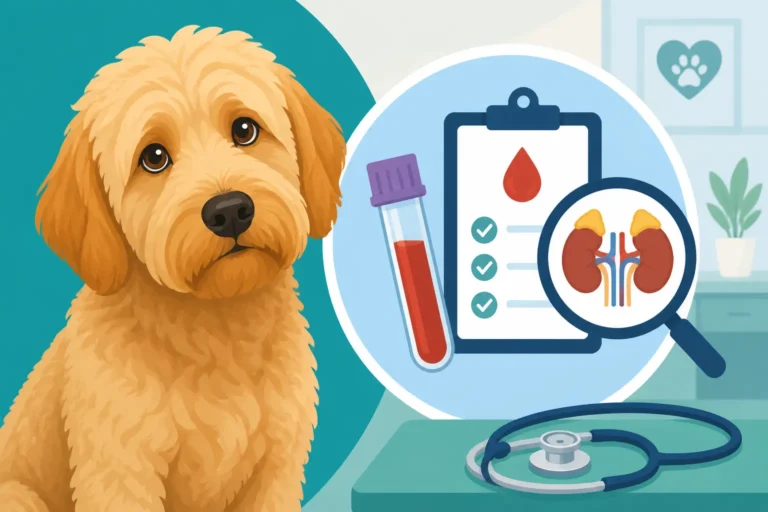
- Blood work (Complete Blood Count and Chemistry Panel): To assess overall health, organ function, and look for paraneoplastic syndromes (like high calcium levels).
- Urinalysis: To check kidney function and rule out other issues.
- Imaging (X-rays and Ultrasound): Chest X-rays can check for enlarged lymph nodes in the chest or fluid accumulation. Abdominal ultrasound can assess internal organs like the spleen, liver, and abdominal lymph nodes for involvement.
- Bone Marrow Aspirate: In some cases, to see if the bone marrow is affected.
- Immunophenotyping: This is a specialized test (often done on biopsy samples or fresh FNA samples) that determines whether the lymphoma is B-cell or T-cell type. This is important because B-cell lymphoma generally has a better prognosis with chemotherapy than T-cell lymphoma.
| Diagnostic Test | Purpose | Invasiveness | Typical Cost Range (USD) |
|---|---|---|---|
| Physical Exam | Initial assessment, palpate lymph nodes | Low | Included with consult |
| Fine Needle Aspirate (FNA) | Collect cells for microscopic evaluation | Low | $50 – $200 |
| Biopsy (Surgical) | Definitive diagnosis, type/grade classification | Moderate | $400 – $1,500 |
| Blood Work | Assess overall health, organ function, detect abnormalities | Low | $100 – $300 |
| Urinalysis | Kidney function, rule out other conditions | Low | $50 – $100 |
| X-rays (Chest) | Check for chest involvement, fluid | Low | $150 – $400 |
| Ultrasound (Abdominal) | Assess internal organs, abdominal lymph nodes | Moderate | $300 – $800 |
| Bone Marrow Aspirate | Check for bone marrow involvement | Moderate | $500 – $1,000 |
| Immunophenotyping | Determine B-cell vs. T-cell type (prognostic indicator) | Low | $200 – $400 |
Note: Costs are estimates and can vary significantly based on location, veterinary clinic, and specific procedures involved.
Treatment Options for Canine Lymphoma
Once lymphoma is diagnosed, your vet will discuss treatment options. For most types of canine lymphoma, chemotherapy is the primary treatment. While the word "chemotherapy" can sound frightening, it's important to know that dogs generally tolerate chemotherapy much better than humans do. The goal in veterinary oncology is often to achieve remission and improve quality of life, rather than a "cure" in the human sense, with fewer severe side effects.
A common chemotherapy protocol for multicentric lymphoma is the CHOP protocol, which involves a combination of several different drugs administered over several months. This protocol can achieve remission in a high percentage of dogs, with varying durations. Other options might include single-agent chemotherapy, or in some cases, radiation therapy (especially for localized lymphoma, like nasal lymphoma).
Surgery is generally not a primary treatment for lymphoma because it's a systemic disease, meaning it's throughout the body. However, surgery might be used to remove a single, isolated tumor if it's causing problems, or to obtain a diagnostic biopsy.
Newer treatments, such as immunotherapy (using the dog's own immune system to fight cancer) and targeted therapies, are also emerging and may be options depending on the specific type of lymphoma and availability.
Working with a veterinary oncologist is highly recommended. They have specialized expertise in cancer diagnosis and treatment and can guide you through the best course of action for your Labradoodle.
Prognosis and Quality of Life
The prognosis for Labradoodles with lymphoma varies greatly depending on several factors:
- Type of lymphoma: B-cell lymphoma generally has a better prognosis than T-cell lymphoma.
- Stage of the disease: How widespread the cancer is when diagnosed.
- Grade of the lymphoma: Low-grade vs. high-grade (high-grade is more aggressive).
- Overall health of the dog: Any other underlying conditions.
- Response to treatment: How well the dog responds to chemotherapy.
With treatment, many dogs with lymphoma can achieve remission and enjoy several months, or even a year or two, of good quality life. Without treatment, the prognosis is often just a few weeks to a couple of months. The goal is always to balance effective treatment with maintaining your Labradoodle's comfort and happiness.
Living with a Labradoodle Diagnosed with Lymphoma
A cancer diagnosis changes everything. It's a heavy burden, emotionally and often financially. But it's also a journey you embark on with your beloved Labradoodle, focusing on every good day and ensuring their comfort and happiness.
Supporting Your Labradoodle Through Treatment
If you decide to pursue treatment, your role as a caregiver becomes even more important. You'll be administering medications, monitoring for side effects, and making regular trips to the veterinary oncologist. Side effects from chemotherapy are generally mild in dogs, but they can include temporary gastrointestinal upset (vomiting, diarrhea), decreased appetite, or lethargy. Your vet will provide anti-nausea medications and guide you on how to manage these.
Maintaining a consistent routine, providing a comfortable environment, and showering your Labradoodle with love and attention are paramount. Keep an eye on their energy levels, appetite, and any changes in behavior. Open communication with your vet is key; report any concerns immediately. Remember, the goal is not just to fight the cancer, but to ensure your Labradoodle has the best possible quality of life during this time.
Financial Realities and Support Systems
The cost of diagnosing and treating lymphoma can be substantial. Chemotherapy protocols, diagnostic tests, and supportive care add up quickly. This is where pet insurance can be a huge help. Companies like Healthy Paws offer comprehensive pet insurance plans that can cover a significant portion of cancer treatment costs, including chemotherapy, diagnostics, and even some alternative therapies. Having a plan from Healthy Paws in place before a diagnosis can provide invaluable peace of mind, allowing you to focus on your dog's health rather than the financial strain.
If pet insurance isn't an option or you're already facing a diagnosis without coverage, don't despair. Discuss financial options with your veterinary team. Many clinics offer payment plans, and there are various charitable organizations that provide financial assistance for pet cancer treatment, such as The Pet Cancer Fund or The Magic Bullet Fund. Sometimes, simply discussing different chemotherapy protocols with your oncologist can reveal less expensive, yet still effective, options.
Maximizing Quality of Life
Beyond medical treatment, focusing on your Labradoodle's quality of life is the ultimate priority. This means continuing to provide their favorite activities (within their energy limits), ensuring they have a comfortable place to rest, offering delicious and nutritious food (even if it means tempting them with special meals), and showering them with affection.
Regular, gentle exercise can still be beneficial, adapting to your dog's energy levels. For an older Labradoodle, even short, slow walks can keep their spirits up. You might also consider complementary therapies like acupuncture or nutritional supplements, always discussing these with your veterinary oncologist first to ensure they don't interfere with conventional treatments. Our article on The Yearly Screening a Labradoodle Should Get emphasizes the importance of these regular checks in catching issues early, which is the best defense against advanced disease.
Living with a Labradoodle diagnosed with lymphoma is undoubtedly challenging, but with the right support, medical care, and an unwavering commitment to their well-being, you can ensure they continue to live a full and loved life for as long as possible.
Disclaimer
This article is intended for informational purposes only and is not a substitute for professional veterinary advice, diagnosis, or treatment. Always seek the advice of your veterinarian or other qualified animal health provider with any questions you may have regarding a medical condition.