Whether a Labradoodle Is Always Hungry
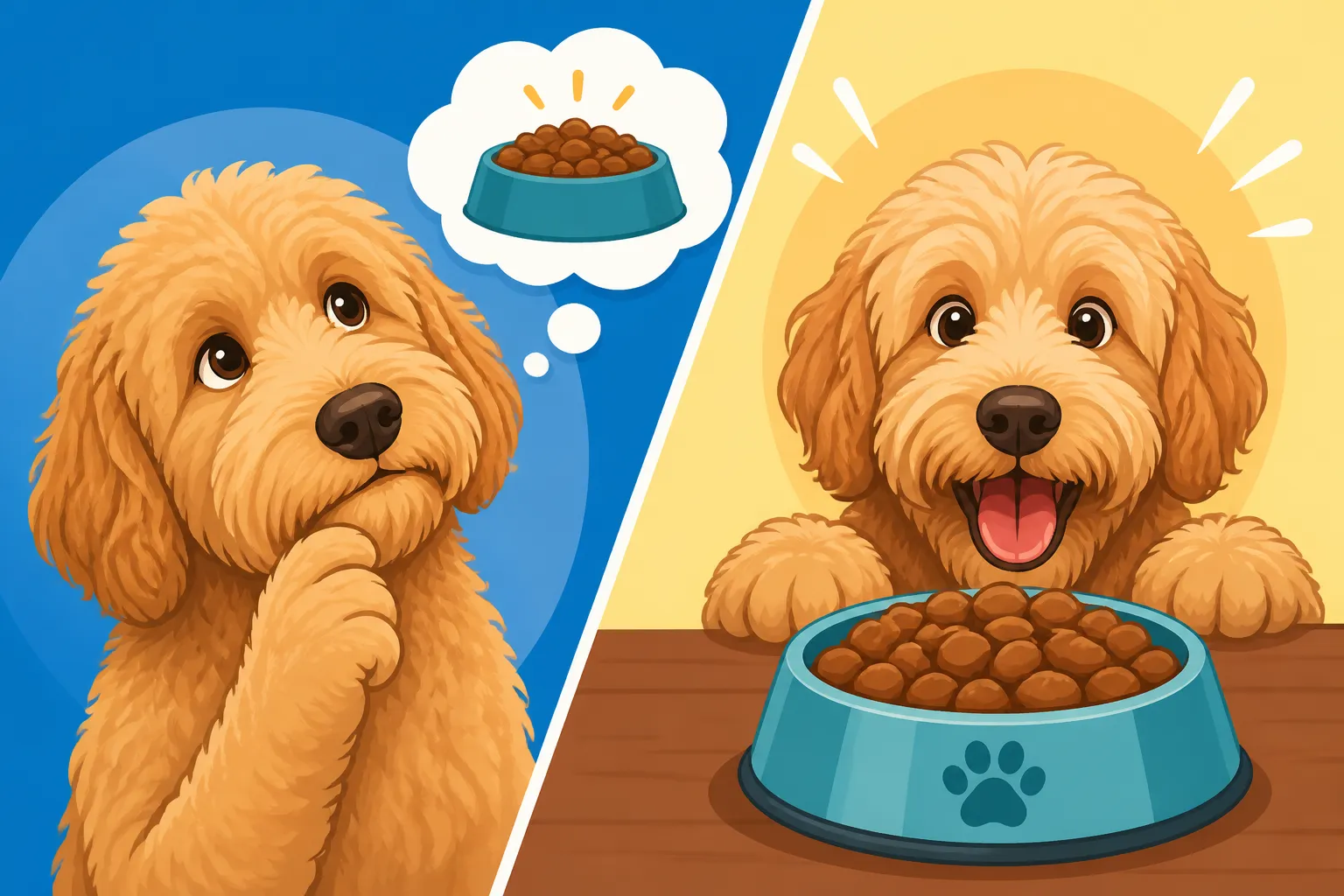
It feels like your Labradoodle has a bottomless pit for a stomach, constantly sniffing out crumbs, staring longingly at your plate, or nudging their bowl even after a full meal. This guide delves into why Labradoodles often seem perpetually hungry, exploring the blend of genetic predispositions, behavioral patterns, and environmental factors that contribute to this persistent food-seeking behavior, and offers practical strategies to help you manage their appetites and maintain their health.
The Deep Genetic Roots of a Labradoodle's Insatiable Appetite
If you often wonder if your Labradoodle is ever truly full, you're not alone. Many owners grapple with this perception, and there's a strong genetic component to why Labradoodles, more than many other breeds, seem to be food obsessed. It largely stems from one half of their lineage: the Labrador Retriever.
The Labrador's "Hunger Gene"
The Labrador Retriever is well-known for its love of food, a trait that makes them highly trainable but also notoriously prone to obesity. Recent scientific research has shed light on a specific genetic mutation that contributes to this characteristic. Many Labradors, and consequently many Labradoodles, carry a deletion in a gene called POMC (pro-opiomelanocortin). This isn't just a minor tweak; it significantly impacts how their brains register satiety, or the feeling of being full.
For a Labradoodle with this POMC gene deletion, the signals that tell the brain "I've had enough food" simply aren't as strong or don't last as long as they would in a dog without the mutation. Imagine trying to feel satisfied after a meal when your internal "fullness" switch is stuck in the "off" position, or constantly resetting. This means they are inherently more driven to seek out food, and they also tend to burn fewer calories at rest because their bodies are primed to conserve energy. So, it's not just a behavioral quirk; it's a biological imperative for many of them. This deep genetic programming is why you might feel like your Labradoodle is always hungry, and understanding this can help you approach their feeding and management with more empathy and strategic planning. If you're curious about this specific inherited trait, it's worth learning whether a Labradoodle inherits the Labrador obesity gene.
The Poodle's Contribution to Food Drive
While the Poodle side of your Labradoodle isn't typically associated with the same intense, indiscriminate food obsession as the Labrador, Poodles are incredibly intelligent and highly food-motivated. This trait is often leveraged in their extensive history as working and performance dogs. They learn quickly, and positive reinforcement, often involving treats, is extremely effective in their training.
When you combine a Labrador's genetic predisposition for constant hunger with a Poodle's sharp intellect and strong food motivation, you get a dog that is not only biologically driven to seek food but is also clever enough to figure out exactly how to get it from you. They'll use their big, soulful eyes, their characteristic "doodle nudge," or even try to subtly counter-surf if they know it might yield a tasty reward. This combination can make managing their diet a true mental and physical challenge for owners. You might find yourself constantly negotiating with a furry, four-legged food-detection system that rarely gives up.
Beyond Biology: Environmental and Behavioral Factors Fueling Hunger
While genetics lay a significant groundwork for a Labradoodle's appetite, their environment, daily routine, and learned behaviors also play a massive role. It’s a complex interplay, and often, what looks like insatiable hunger might be a combination of several factors.
The Role of Activity Levels and Energy Expenditure
Labradoodles are generally energetic dogs, especially in their younger years. They love to run, play, swim, and engage in various activities. A standard Labradoodle can easily burn a lot of calories throughout the day, particularly if they're given ample opportunity for vigorous exercise. If their calorie intake doesn't match their energy output, they will genuinely feel hungry. It’s a simple energy equation.
However, the flip side is also true: sometimes we think our dogs are getting enough exercise, but they might not be. A quick stroll around the block might not be enough for a high-energy Labradoodle. An under-exercised dog might also resort to looking for food out of boredom, using eating as an activity to fill their time. It's crucial to assess if your Labradoodle's diet is truly balanced with their actual activity level. Over time, an imbalance leads to unhealthy weight gain, impacting their joints and overall well-being. Keeping a close eye on The Weight a Labradoodle Should Hold is essential.
Boredom, Anxiety, and Learned Behaviors
Beyond genuine physical hunger, Labradoodles, like many intelligent breeds, can turn to food for comfort, distraction, or simply because they're bored. If your Labradoodle is left alone for long periods without adequate mental stimulation, or if they're not getting enough structured playtime, they might start seeking out food as a way to self-entertain. This can manifest as:
- Counter-surfing: A classic doodle move, especially given their height. They learn quickly that delicious things can be found on elevated surfaces.
- Trash raiding: An opportunistic hunt for discarded treasures.
- Begging: A highly refined skill, honed by their intelligent Poodle genes and Labrador persistence.
- Mouthing/Nipping: Sometimes, what appears to be a desire for food is actually a bid for attention, which owners might mistakenly fulfill with a treat.
These behaviors are often reinforced, sometimes unknowingly, by owners. Every time you give in to a whine or a nudge with a treat, you're inadvertently teaching your Labradoodle that persistent begging works. It's a tough habit to break once established, but understanding the root cause—be it boredom, attention-seeking, or even mild separation anxiety—is the first step. Ensuring your Labradoodle has plenty of appropriate chew toys, puzzle feeders, and regular engagement can significantly reduce these food-driven behaviors.
The Owner's Role in Reinforcing Habits
Let's be honest, it's hard to resist those puppy-dog eyes! We, as owners, often play a significant part in reinforcing our Labradoodles' relentless pursuit of food. Whether it's slipping them table scraps (even healthy ones add up!), leaving food accessible, or using too many high-calorie treats in training, our habits directly influence theirs.
Consider these common scenarios:
- "Just a little bite won't hurt…": Those "little bites" quickly become a significant portion of their daily calorie intake, making them feel less full at mealtimes.
- Free-feeding: Leaving a bowl of kibble out all day allows them to graze constantly, never learning true mealtime satiety and often overeating.
- Treat overload: Training is important, but if every command earns a high-value biscuit, their daily caloric needs can easily be exceeded. Plus, they learn that treats are always available for any display of "good" (or even just persistent) behavior.
- Lack of clear boundaries: Allowing them to hover around the dinner table or follow you to the kitchen every time you open the fridge sends a clear message that food is a constant potential reward.
It's not about being mean, but about being consistent and understanding that what seems like a small indulgence to us can have a big impact on a Labradoodle's health and behavior. Setting clear boundaries and being mindful of all food they consume is vital for their well-being.
Practical Strategies for Managing Your Labradoodle's Appetite
Okay, so we know Labradoodles are wired to love food, and we sometimes, inadvertently, make it worse. But don't despair! There are many effective strategies you can implement to manage their appetite, keep them at a healthy weight, and reduce those incessant pleas for food.
Structured Feeding and Portion Control
This is perhaps the most critical step. Ditch the free-feeding. Instead, establish a consistent feeding schedule with measured portions.
- Two Meals a Day: For adult Labradoodles, two meals a day is ideal. This helps regulate their metabolism, prevents them from getting overly hungry, and allows for better digestion. Puppies will need more frequent meals.
- Measure Everything: Don't eyeball it. Use a dedicated measuring cup to ensure you're giving the exact amount recommended for their ideal weight, not their current weight (if they're overweight). Consult your vet to determine How Much an Adult Labradoodle Eats Daily for your specific dog.
- High-Quality Food: Opt for a high-quality dog food that provides balanced nutrition. Foods with good protein content and fiber can help your Labradoodle feel fuller for longer.
- Slow Feeder Bowls: These are a game-changer for fast eaters. Slow feeder bowls have ridges or obstacles that make dogs work harder and slower to get their kibble, prolonging the meal and reducing the risk of bloat, a serious condition that deep-chested dogs like Labradoodles are prone to. If you're concerned about bloat, consider learning Whether a Labradoodle Should Have a Preventive Gastropexy.
Smart Snacking and Enrichment
Treats don't have to be high-calorie bombs. And food can be a tool for mental engagement, not just quick consumption.
- Healthy Treat Alternatives: Many fruits and vegetables are safe and low-calorie options. Think baby carrots, green beans, apple slices (no seeds!), or blueberries. These offer crunch and flavor without the caloric impact of traditional biscuits. This is especially helpful if you're actively Keeping Weight Off a Labradoodle That Begs.
- Puzzle Feeders and KONGs: Instead of giving all their food in a bowl, put a portion of their kibble or healthy treats into a puzzle feeder or a KONG stuffed with dog-safe fillings (like peanut butter, plain yogurt, or canned pumpkin). This makes them work for their food, engages their brain, and extends mealtime. It’s an excellent way to provide mental enrichment and combat boredom-related eating.
- Training Treats: When training, use tiny, pea-sized treats. You can even use small pieces of their regular kibble if they are highly food-motivated. This keeps calorie counts down while still providing the reinforcement they crave. For specific advice, check out The Treats a Labradoodle Trains Best For.
- Ignore Begging: As hard as it is, do not give in to begging. Teach your Labradoodle that begging doesn't work. If they sit politely away from the table, you can reward them after you've finished eating, or at an unrelated time. This teaches them to offer calm behavior instead of demanding food.
Exercise and Mental Stimulation
A tired Labradoodle is often a well-behaved Labradoodle, and less likely to seek out food due to boredom.
- Adequate Exercise: Ensure your Labradoodle gets enough physical activity for their age and energy level. This means daily walks, runs, fetch sessions, or trips to the dog park. Labradoodles, with their Labrador and Poodle heritage, thrive on activity. They need outlets for their energy, not just a quick potty break.
- Mental Games: Incorporate training sessions, scent work, or interactive games into their daily routine. Hide-and-seek with treats (using their healthy alternatives!) or teaching new tricks can burn mental energy just as effectively as physical exercise. A Labradoodle's intelligent mind needs to be challenged to prevent boredom, which can often manifest as constant food-seeking.
- Socialization: Regular interaction with other dogs and people can reduce anxiety and boredom. A well-socialized dog is often a more confident and settled dog, less prone to destructive or food-obsessed behaviors born out of stress.
By implementing these strategies consistently, you'll not only manage your Labradoodle's perception of constant hunger but also contribute significantly to their overall health and happiness.
The Serious Risks of Overfeeding and Maintaining a Healthy Weight
It’s easy to get caught up in the cute begging, but consistently overfeeding a Labradoodle, even with the best intentions, can lead to serious health complications that impact their quality of life and lifespan. Understanding these risks can reinforce your commitment to maintaining their ideal weight.
The Dangers of Canine Obesity
Obesity in dogs is a widespread problem, and breeds like Labradoodles, with their inherent love of food, are particularly susceptible. The consequences are far-reaching:
- Joint Problems: Excess weight puts immense strain on a dog's joints, exacerbating conditions like hip and elbow dysplasia, which are common in both Labrador Retrievers and Poodles, and therefore in Labradoodles. This can lead to painful arthritis and reduced mobility, drastically affecting their ability to enjoy activities they love. Learning about Hips and Elbows in a Sixty Pound Labradoodle highlights these concerns.
- Diabetes: Just like in humans, obesity is a major risk factor for type 2 diabetes in dogs, requiring lifelong management with insulin and dietary changes.
- Heart and Respiratory Issues: Carrying extra weight makes the heart work harder and can restrict lung function, leading to conditions like congestive heart failure and making them more prone to heatstroke.
- Reduced Stamina: An overweight dog will tire more easily, be less enthusiastic about walks and play, and generally have a lower quality of life.
- Increased Surgical Risk: Anesthetic risk is higher for obese dogs, and surgical recovery can be more complicated.
- Certain Cancers: Some studies suggest a link between obesity and an increased risk of certain types of cancer in dogs.
Bloat: A Silent Threat Magnified by Eating Habits
Labradoodles inherit the deep chest conformation from their Poodle parent, which unfortunately makes them prone to Gastric Dilatation-Volvulus (GDV), commonly known as bloat. This is a life-threatening emergency where the stomach fills with gas and can twist, cutting off blood supply. Eating too quickly, especially large meals, is a significant risk factor for bloat.
By managing your Labradoodle's appetite through scheduled, measured meals and slow feeder bowls, you are not only preventing obesity but also actively reducing their Bloat Risk in a Standard Poodle Bred Labradoodle. Prompt veterinary attention is crucial if you suspect bloat, as outcomes depend heavily on how quickly treatment is initiated. Having pet insurance, like a policy from Healthy Paws, can be incredibly reassuring should such an emergency arise, as the costs for bloat surgery are often substantial.
Impact on Lifespan and Overall Health
Simply put, an overweight Labradoodle will likely live a shorter, less comfortable life than one maintained at a healthy weight. Studies have consistently shown that dogs kept at an ideal body condition live, on average, two years longer than their overweight counterparts. For a breed that typically lives The Twelve to Fifteen Years a Labradoodle Lives, two extra years is a significant gift.
Maintaining a healthy weight allows your Labradoodle to:
- Enjoy a more active and pain-free life.
- Have stronger immune function.
- Experience fewer health complications as they age.
- Avoid many of the common ailments that strike What a Labradoodle Owner Should Watch For After Eight.
Regular veterinary check-ups are paramount. Your vet can assess your Labradoodle's body condition score, recommend appropriate calorie intake, and help you create a personalized weight management plan if needed. Don't hesitate to ask them about nutritional advice or if your furry friend could benefit from a specific diet. They can also provide guidance on maintaining a healthy weight through various life stages. Insurance providers like Healthy Paws are often strong advocates for preventative care, understanding that a healthy weight is key to long-term wellness.
By being diligent about your Labradoodle's diet and exercise, you're not just managing their hunger; you're investing in a longer, happier, and healthier life together.
Disclaimer
This article is for general informational purposes only and does not constitute professional advice. Laws, prices and regulations vary by location and change over time. Consult a qualified professional for guidance on your specific situation.