Elbow Lameness in a Six Month Old Labradoodle
It's incredibly distressing when your lively six-month-old Labradoodle suddenly starts showing signs of lameness, especially in an elbow. One minute they're romping around, full of puppy exuberance, and the next they're limping, reluctant to play, or even just looking uncomfortable when they try to get up. This guide is here to help you understand why elbow lameness might strike a young Labradoodle, what steps you can take with your veterinarian for diagnosis, and how to navigate the treatment and long-term care to get your furry friend back on all four paws.
Understanding Elbow Lameness in Young Labradoodles
Seeing your energetic Labradoodle puppy suddenly favoring a leg can send a wave of panic through any devoted owner. Elbow problems, unfortunately, aren't uncommon in breeds like Labradors and Poodles, which means our beloved Labradoodles can also be susceptible. Understanding why and how these issues manifest is the first step toward effective management.
Why a Six-Month-Old Labradoodle?
Six months is a pivotal age for a Labradoodle puppy. They’re no longer tiny, fragile bundles, but they're still growing incredibly fast, often reaching a significant portion of their adult size and weight. This rapid growth, coupled with developing growth plates that haven't fully closed, makes them particularly vulnerable to certain orthopedic conditions. Their bones, cartilage, and joints are all undergoing immense change, and any imbalance or stress during this critical window can lead to problems. It's not just about genetics; how they're managed physically during this time plays a huge role. For example, excessive, high-impact exercise can put undue strain on immature joints, which are not yet robust enough to handle the kind of activity an adult dog might enjoy.
Common Signs and Symptoms
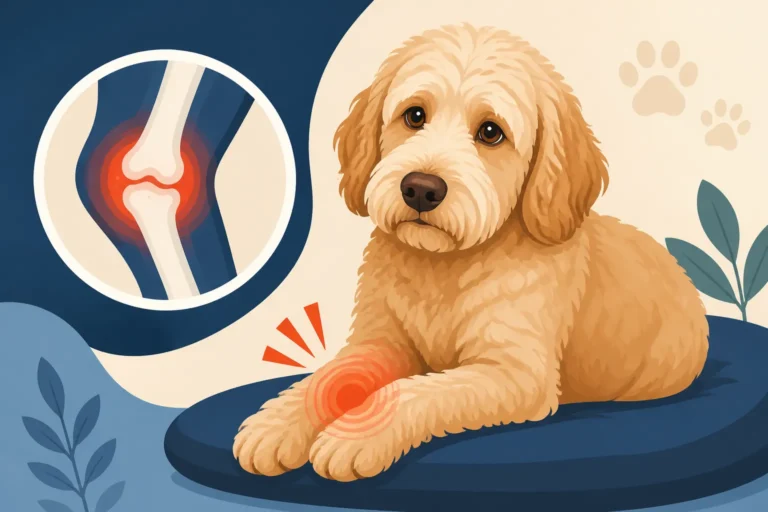
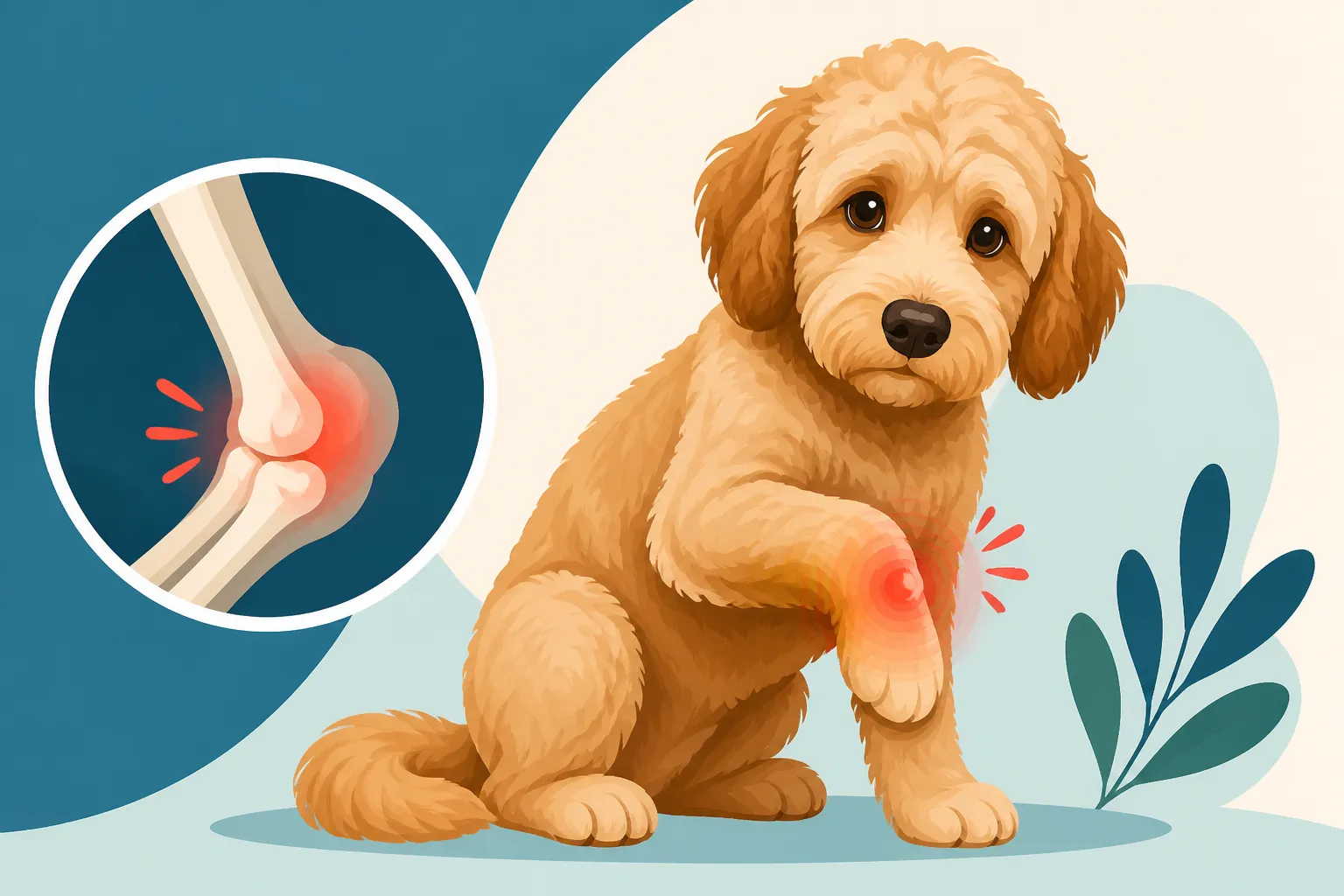
Identifying elbow lameness early is crucial. It might not always be a dramatic, three-legged hop right away. Often, it starts subtly. You might notice your Labradoodle being a little stiff after a nap, or perhaps they're reluctant to jump into the car, or they just don't have their usual zest for a game of fetch. A classic sign is a noticeable limp, which might worsen after exercise or improve slightly with rest, only to return. They might hold the affected limb slightly away from their body, or when they sit, they might "point" the elbow out. Sometimes, you'll see a noticeable reluctance to put weight on the leg, or a decreased range of motion in the elbow joint. Some dogs might even show pain when the area is gently touched, or you might observe swelling around the joint. Paying close attention to these subtle changes in behavior and movement can make all the difference in catching an issue before it escalates.
The Role of Genetics and Early Life
While injuries can happen to any dog, the predisposition to elbow issues in Labradoodles often traces back to their parent breeds. Both Labradors and Poodles can carry genes for conditions like Elbow Dysplasia, a complex developmental condition involving several potential issues within the elbow joint. This is why reputable breeders emphasize health testing for parents, including screening for hip and elbow dysplasia through organizations like the Orthopedic Foundation for Animals (OFA). Asking a breeder about their dogs' OFA grades can provide valuable insight into the genetic health they're passing on. Even with clear parents, factors in a puppy's early life—like rapid weight gain from overfeeding, or uncontrolled, high-impact exercise before their joints are mature—can exacerbate any underlying genetic tendencies. It’s a delicate balance of providing enough activity without overdoing it, ensuring appropriate nutrition for steady growth, and making informed choices about the lineage of your puppy.
Diagnosing the Cause of Elbow Lameness
Once you've noticed your Labradoodle isn't moving quite right, the next step is a trip to the veterinarian. It can be nerve-wracking waiting for answers, but a thorough diagnostic process is essential to pinpoint the exact cause of the lameness.
Initial Vet Visit and Physical Examination
When you bring your six-month-old Labradoodle in, your vet will start with a comprehensive physical examination. They’ll watch your dog walk, trot, and turn, observing their gait and posture. This "gait analysis" helps them identify which leg is affected and how severely. They will then gently palpate (feel) your Labradoodle's legs, paying close attention to the elbow joint. They'll manipulate the joint, checking for pain, swelling, grinding sounds (crepitus), and restricted range of motion. Don't be surprised if they also examine other joints, like the hips and knees, as sometimes pain can be referred or multiple joints can be affected. They might ask you detailed questions about when you first noticed the lameness, what makes it worse or better, your dog's exercise routine, and their diet. Providing as much detail as possible will help your vet form an initial assessment and decide on the next diagnostic steps. Sometimes, a vet might even perform specific orthopedic tests to isolate the source of the discomfort.
Imaging and Advanced Diagnostics
Often, a physical exam alone isn't enough to definitively diagnose elbow lameness. The next step usually involves imaging. X-rays are a common starting point, providing images of the bone structure. Your vet might take multiple views of the elbow joint, sometimes even requiring light sedation to get clear, comfortable positioning, especially for a wriggly puppy. X-rays can reveal signs of conditions like osteochondritis dissecans (OCD), fragmented coronoid process (FCP), ununited anconeal process (UAP), or elbow incongruity – all components of Elbow Dysplasia.
However, sometimes X-rays don't tell the whole story, especially if the issue involves soft tissue or very subtle cartilage damage. In these cases, your vet might recommend more advanced imaging techniques. A computed tomography (CT) scan offers much more detailed, cross-sectional images of the joint, which can be invaluable for identifying subtle bone fragments or cartilage lesions. Magnetic resonance imaging (MRI) is excellent for soft tissue assessment. In some situations, an arthroscopy, which is a minimally invasive surgical procedure where a tiny camera is inserted into the joint, might be performed. This allows the vet to directly visualize the inside of the joint, assess damage, and sometimes even perform repairs at the same time. The choice of imaging depends on the initial findings and the suspected underlying condition.
Differentiating from Other Conditions
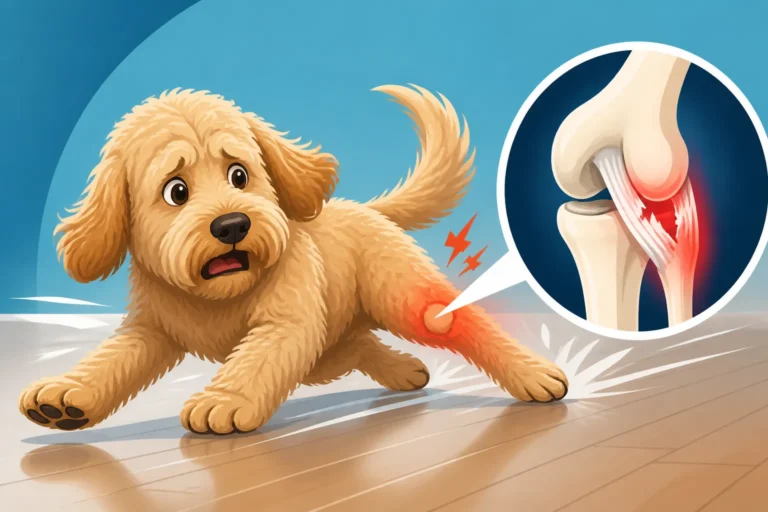
It’s important to remember that elbow lameness isn't always about the elbow itself. Sometimes, pain originating from the shoulder, wrist, or even a soft tissue injury can manifest as lameness that appears to be coming from the elbow. For instance, a torn cruciate ligament, while typically affecting the knee, can sometimes cause compensatory changes in gait that might be misinterpreted initially. Similarly, issues like Slipping Kneecaps in a Miniature Labradoodle or Torn Cruciates in an Active Labradoodle could present with similar symptoms of discomfort in a hind leg, but it’s easy to get confused about which leg is truly affected. Your vet will perform a thorough examination of all limbs and joints to rule out these possibilities. They're looking for a pattern of symptoms and using diagnostic tools to isolate the problem area precisely. This comprehensive approach ensures that your Labradoodle receives the correct diagnosis and, therefore, the most effective treatment plan.
Treatment Options and Management Strategies
Once you have a diagnosis, the focus shifts to treatment. Depending on the severity and specific cause of the elbow lameness, your vet will recommend a course of action that aims to reduce pain, improve function, and support long-term joint health.
Conservative Management
For less severe cases, or as an initial approach, your vet might suggest conservative management. This often involves a combination of rest, medication, and rehabilitation. Strict rest is paramount – this usually means confining your Labradoodle to a crate or a small, safe area for several weeks, with only short, leashed potty breaks. No running, jumping, or strenuous play! This period of rest allows inflammation to subside and tissues to begin healing.
Medication typically includes non-steroidal anti-inflammatory drugs (NSAIDs) to manage pain and inflammation. Your vet might also prescribe joint supplements like glucosamine and chondroitin, which can support cartilage health. You might be wondering, Whether Glucosamine Helps a Labradoodle's Joints, and in many cases, it can be a beneficial addition to a conservative plan. Physical therapy can also be incredibly helpful, even in conservative cases. This might involve gentle range-of-motion exercises, massage, and eventually controlled, strengthening exercises as your dog recovers. Hydrotherapy (underwater treadmill) is often recommended as it allows for exercise with minimal impact on the joints. The goal here is to reduce stress on the joint, allow it to heal, and rebuild strength without overexertion.
Surgical Interventions
For more severe forms of elbow dysplasia, such as fragmented coronoid process or ununited anconeal process, or if conservative management isn't effective, surgery may be the best option. The specific surgical procedure will depend entirely on the underlying issue. For example, arthroscopic surgery can be used to remove small cartilage fragments or bone chips, which are common with FCP. If there's an ununited anconeal process, surgery might involve reattaching the bone fragment or removing it, depending on the case.
Recovery from surgery is a significant undertaking, requiring a dedicated period of restricted activity, typically 6-8 weeks or longer. Your dog will likely need pain medication, antibiotics, and strict adherence to post-operative instructions, including wound care. After the initial healing phase, a comprehensive rehabilitation program, often involving hydrotherapy and other physical therapy exercises, is critical to restore muscle strength and joint mobility. It’s a tough road, both for your dog and for you, but surgical intervention can often provide the best chance for long-term comfort and mobility, especially for young dogs with significant joint pathology.
Long-Term Care and Prevention
Once your Labradoodle has recovered, whether from conservative treatment or surgery, long-term care becomes a lifestyle. This involves ongoing management of diet, exercise, and potentially supplements to support joint health. Maintaining a lean body weight is absolutely vital; even a few extra pounds can put significant strain on already compromised joints. Your vet can help you determine The Weight a Labradoodle Should Hold and recommend appropriate nutrition.
Exercise needs to be modified to be low-impact and consistent, rather than sporadic bursts of high-intensity activity. Think regular, moderate walks, swimming, or controlled playtime, avoiding hard surfaces or activities that involve a lot of jumping and twisting. For instance, understanding The Exercise Limit for a Growing Labradoodle can help prevent future issues. Joint supplements can often be continued long-term as a preventative measure against conditions like Arthritis in a Labradoodle at Ten. Regular veterinary check-ups, potentially including periodic X-rays, will help monitor the joint's condition and address any new issues promptly. While you can't always prevent genetic conditions, careful management and proactive care can significantly improve your Labradoodle's quality of life and comfort for years to come.
Navigating the Emotional and Financial Impact
Dealing with a lame puppy is tough, emotionally and financially. It’s natural to feel worried, frustrated, or even guilty. Understanding what to expect on both fronts can help you prepare and cope.
The Stress of a Lame Puppy
It's heartbreaking to see your active Labradoodle puppy in pain or unable to enjoy their usual playful activities. You might feel immense stress, wondering if they'll ever fully recover, or if you did something wrong. These feelings are completely normal and valid. Labradoodles are known for their lively, affectionate nature, and when that energy is curtailed by pain, it affects the whole family dynamic. You might worry about the commitment of long-term care, the impact on their training, or even just missing out on those precious puppy months of boundless energy.
It’s crucial to remember that you are doing everything you can by seeking veterinary help and following their advice. Lean on your support network, whether it's family, friends, or online communities of other Labradoodle owners who have faced similar challenges. They understand the unique bond you share with your dog and the deep concern that comes with their health issues. Remember to give yourself grace during this stressful time.
Understanding Veterinary Costs
The costs associated with diagnosing and treating elbow lameness can vary widely, depending on the specific condition, the diagnostic procedures needed, and the chosen treatment path. An initial vet visit, gait analysis, and palpation might be relatively inexpensive. However, if X-rays are required, especially with sedation, the price starts to climb. Should your vet recommend advanced imaging like a CT scan or MRI, or an arthroscopy for definitive diagnosis and treatment, you're looking at significantly higher figures, potentially in the thousands of dollars.
Surgical intervention, if necessary, will be another major expense, encompassing the surgery itself, anesthesia, post-operative medications, and follow-up care. Rehabilitation, including physical therapy sessions and hydrotherapy, also adds to the overall cost. It’s not uncommon for a complex case of elbow dysplasia to accumulate bills ranging from a few thousand to well over ten thousand dollars, depending on the specialists involved and the duration of treatment.
The Value of Pet Insurance
Given the potential for high veterinary bills, having pet insurance can be a huge relief, especially for unexpected orthopedic issues like elbow lameness in a young Labradoodle. Many owners find themselves in a tough spot financially, having to make difficult decisions based on cost. Pet insurance companies, like Healthy Paws, offer policies that can cover a significant portion of these expenses, from diagnostic tests to surgery and rehabilitation.
While most policies have a waiting period before coverage kicks in for orthopedic conditions, it's wise to enroll your Labradoodle when they are young and healthy. This ensures that when conditions like elbow lameness arise, they aren't classified as pre-existing conditions, which are typically excluded from coverage. Researching different providers and understanding their reimbursement rates, deductibles, and annual limits is crucial. A good policy from a reputable provider like Healthy Paws can truly make a difference in your ability to provide the best possible care for your beloved companion without facing overwhelming financial strain. It offers peace of mind, knowing that you can prioritize your Labradoodle's health without financial stress being the deciding factor in treatment choices.
When dealing with a condition that has a strong genetic component, such as elbow dysplasia, the financial burden can be substantial. Comprehensive coverage that addresses genetic and hereditary conditions is a lifesaver. Early enrollment with a company like Healthy Paws can safeguard your finances against these unforeseen, but often expensive, health challenges.
| Common Elbow Conditions in Labradoodles | Typical Age of Onset | Key Characteristics | Treatment Approaches |
|---|---|---|---|
| Fragmented Coronoid Process (FCP) | 4-12 months | Lameness, pain on flexion, can be bilateral. Tiny pieces of bone break off the ulna. | Conservative or arthroscopic surgery to remove fragments. |
| Osteochondritis Dissecans (OCD) | 5-10 months | Lameness, joint effusion (fluid), pain on extension. Cartilage flap separates from bone. | Conservative or arthroscopic surgery to remove flap. |
| Ununited Anconeal Process (UAP) | 4-8 months | Persistent lameness, swelling, pain on palpation. Bone fragment fails to fuse. | Surgical reattachment or removal of fragment. |
| Elbow Incongruity | 4-12 months | Subtle lameness, abnormal joint alignment leading to uneven weight distribution. | Corrective osteotomy (bone cutting) in severe cases. |
Caring for a Labradoodle with elbow lameness, especially at such a young age, is undoubtedly a journey filled with challenges. However, with prompt veterinary care, an accurate diagnosis, and a dedicated approach to treatment and long-term management, many Labradoodles can go on to live comfortable, fulfilling lives. Your diligence and love make all the difference.
Disclaimer
This article is for general informational purposes only and does not constitute professional advice. Laws, prices and regulations vary by location and change over time. Consult a qualified professional for guidance on your specific situation.