Whether a Graying Labradoodle Muzzle Means Anything
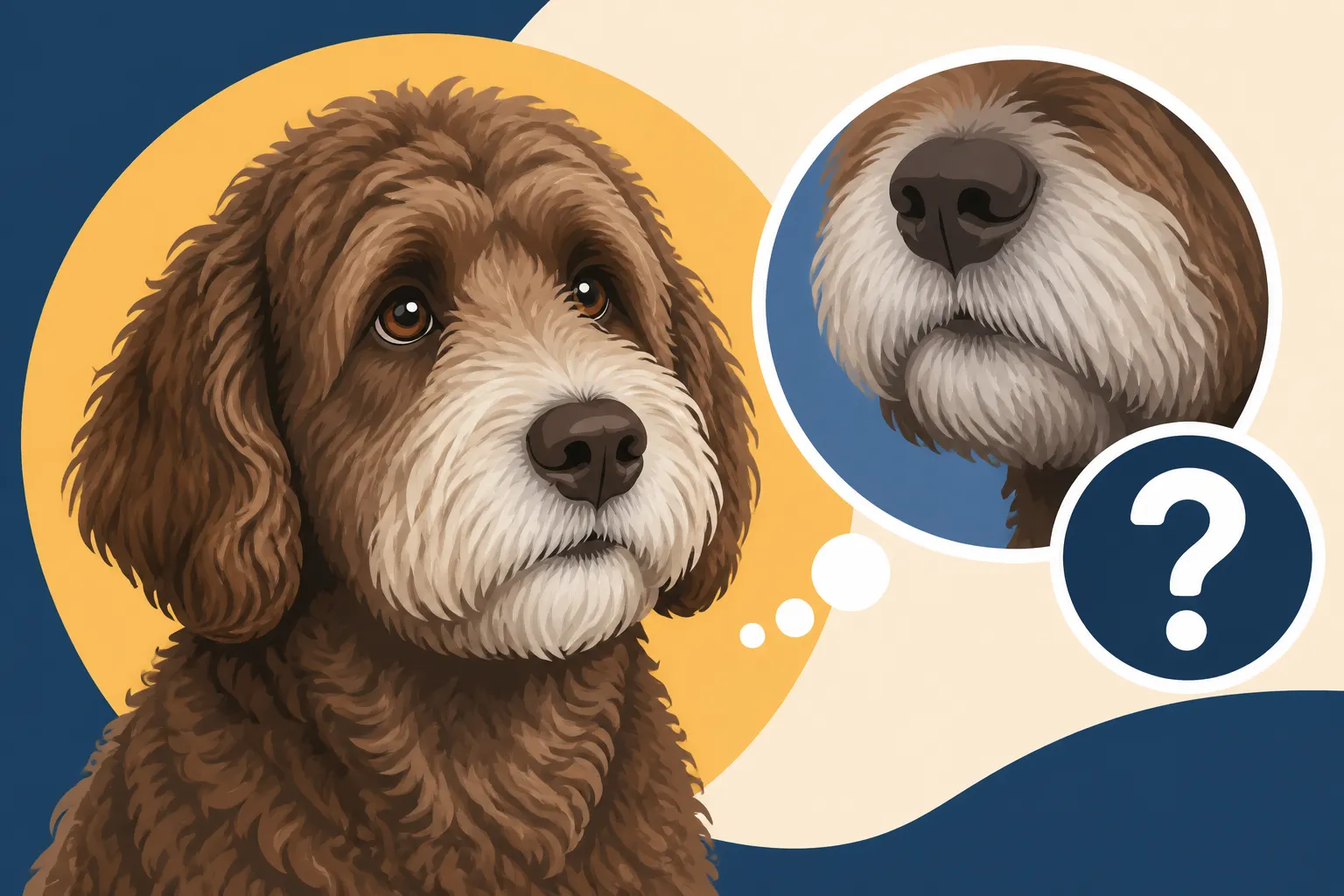
That first glimpse of silver around your Labradoodle's adorable muzzle can hit you hard. It's a bittersweet moment that often sparks a flurry of questions: Is my dog getting old already? Does this gray mean anything specific about their health? It’s completely natural to feel a mix of nostalgia and concern, and this guide is here to walk you through what a graying Labradoodle muzzle truly signifies, along with practical ways to support your furry companion through their golden years.
The Visible Signs of Aging in Your Labradoodle
Just like humans, dogs show various signs of aging, and a graying muzzle is often the most noticeable one. But it's rarely the only change you'll observe as your vibrant Labradoodle transitions into their senior years. Understanding these shifts can help you provide the best care.
Beyond the Gray: Other Physical Changes
While a frosted face is a hallmark of an aging dog, it’s usually accompanied by other subtle or not-so-subtle physical transformations. You might start noticing that your Labradoodle's once bouncy, energetic strides are now a little stiffer, especially first thing in the morning or after a long nap. Perhaps they're not as quick to jump up onto the sofa or into the car as they used to be, or they hesitate before tackling a flight of stairs. This can be a sign of joint discomfort or developing arthritis, common conditions in older dogs, especially larger breeds. Exploring options like ramps and steps for an aging Labradoodle can make a huge difference in their daily comfort and mobility.
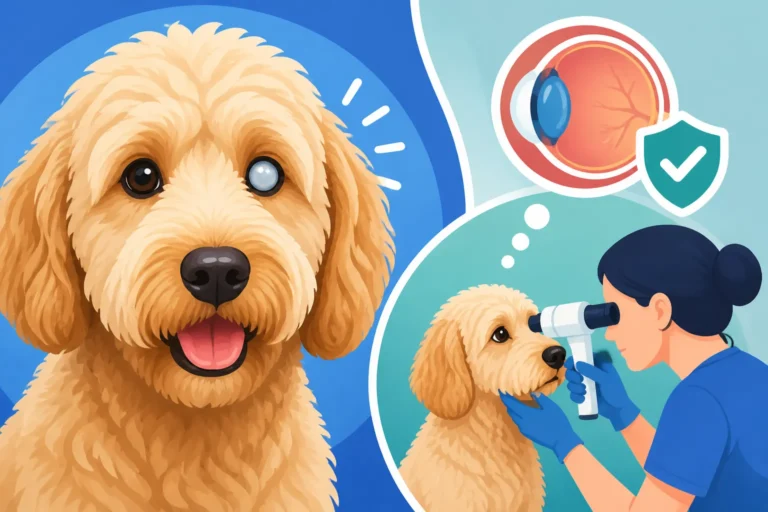
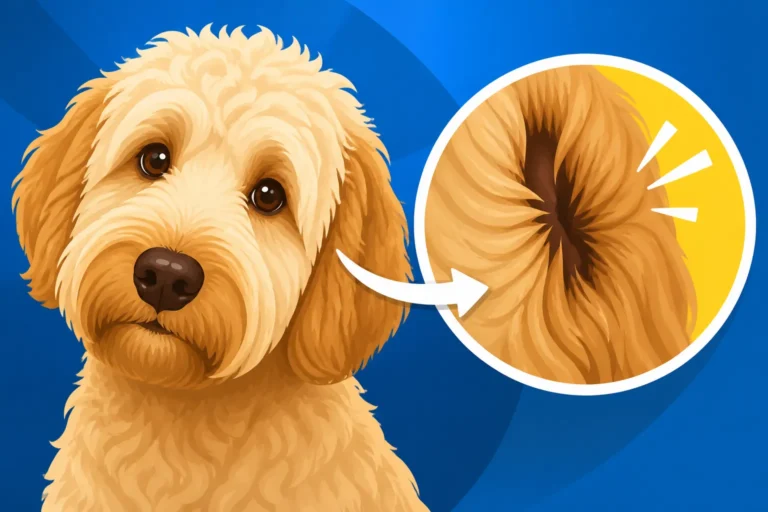
Their coat, which you've spent so much time grooming, might also undergo a transformation. You might notice that it feels a bit coarser, thinner in places, or perhaps even a little more prone to matting despite your regular brushing efforts. This change in coat texture is a normal part of aging, as skin elasticity decreases and oil production can vary. Similarly, their eyes might develop a hazy, bluish tint, a condition known as nuclear sclerosis, which is often benign and doesn't significantly impact their vision, though it's always worth mentioning to your vet during their yearly check-up.
When Graying Muzzles Appear: A Timeline
There's no hard and fast rule about when a Labradoodle's muzzle will start to gray, as it's highly individual and influenced by genetics, breed lines, and even stress. Generally, you might begin to see those first silvery hairs appearing anywhere from 5 to 7 years of age. Some Labradoodles, much like some people, will start showing gray as early as 3 or 4 years old, while others might retain a remarkably youthful face well into their later years. It’s not uncommon to see a healthy, energetic Labradoodle with a full white mask at 6, while another of the same age still has a deeply pigmented muzzle.
The process of graying usually starts around the muzzle, eyes, and chin, often spreading to other areas of the face and sometimes even to the paws and body over time. It's less about a specific birthday and more about a gradual progression. For most Labradoodle owners, the birthday a Labradoodle counts as senior usually begins around 7 or 8 years old, but the visible signs can precede this. If your Labradoodle is graying early but otherwise active and healthy, there's usually no cause for alarm; it's often just their genetic predisposition showing through.
What the Graying Muzzle Really Means for Health
It's tempting to think that a gray muzzle is a direct indicator of declining health, but the reality is more nuanced. While it's a definite sign of aging, it doesn't automatically equate to illness or significant health problems.
Is It Just Genetics or Stress?
The primary drivers behind a graying muzzle are genetics and the natural aging process. Just like some families go gray early, certain Labradoodle lines might simply have a genetic predisposition to premature graying. This isn't a reflection of poor health but rather a harmless aesthetic trait. Think of it as a distinguishing characteristic rather than a warning sign.
However, there's also growing evidence that chronic stress or anxiety can contribute to premature graying in dogs. A Labradoodle experiencing ongoing anxiety, fear, or hyper-vigilance might develop a frosted face earlier than their calmer counterparts. This isn't to say that every early-graying Labradoodle is stressed, but if you notice rapid graying alongside behavioral changes like excessive panting, pacing, destructive behavior, or unusual vocalization, it might be worth discussing with your veterinarian or a certified dog behaviorist. They can help you identify potential stressors and implement strategies to reduce your dog's anxiety, improving their overall quality of life regardless of their muzzle color.
The Importance of a Holistic View of Aging
A gray muzzle should be seen as one piece of a much larger puzzle when assessing your Labradoodle's health. It's a visual cue to be more attentive to other aspects of their well-being, rather than a standalone diagnostic tool. Instead of fixating solely on the color of their fur, it's crucial to adopt a holistic perspective. Are they still eating well? Is their water intake normal? Are they maintaining a healthy weight? What changes in a Labradoodle's coat after ten can also provide clues about their internal health.
Pay close attention to changes in energy levels, appetite, thirst, bathroom habits, and mobility. A Labradoodle who is slowing down, showing reluctance to play, or experiencing changes in sleep patterns might be giving you more significant clues about their health than just their gray fur. These are the kinds of signs that prompt a visit to the vet for a thorough check-up. Remember, aging doesn't mean inevitable decline; it means increased vigilance and proactive care to ensure comfort and happiness in their senior years.
Proactive Care for Your Senior Labradoodle
As your Labradoodle gracefully ages and those gray hairs multiply, your approach to their care will naturally evolve. Proactive steps can significantly enhance their comfort, health, and quality of life for years to come.
Nutritional Adjustments and Supplements
One of the most impactful changes you can make for a senior Labradoodle is adjusting their diet. Older dogs often have slower metabolisms, are less active, and are prone to weight gain, which can exacerbate joint problems. Switching to a high-quality senior dog food, typically lower in calories and sometimes higher in fiber and easily digestible proteins, can help manage their weight and support their changing nutritional needs. When considering feeding an old Labradoodle that has slowed down, look for formulations that include ingredients beneficial for joint health.
Supplements can also play a crucial role. Glucosamine and chondroitin are popular choices for joint support, helping to maintain cartilage and reduce inflammation, which can alleviate some of the stiffness your Labradoodle might be experiencing. Omega-3 fatty acids, often found in fish oil supplements, can further support joint health, promote a healthy coat, and may even contribute to cognitive function. Always consult your veterinarian before adding any new supplements to your dog's regimen, as they can recommend the most appropriate options and dosages for your individual Labradoodle’s needs.
Regular Vet Check-ups and Early Detection
Routine veterinary care becomes even more critical as your Labradoodle ages. The yearly screening a Labradoodle should get often includes more comprehensive bloodwork and urinalysis for senior dogs, designed to detect age-related conditions like kidney disease, liver issues, and thyroid problems early, when they are most treatable. Your vet will also pay close attention to dental health, which can become a significant issue in older dogs, potentially leading to pain, infection, and other systemic health problems if left unchecked.
Don't hesitate to bring up any concerns you have, no matter how small they seem. Whether it’s a subtle change in their gait, a new lump or bump, or simply a shift in their usual demeanor, early detection is key to managing health challenges effectively. Many owners find pet insurance, like plans from Healthy Paws, invaluable as their Labradoodle enters their senior years, helping to manage unexpected costs for age-related conditions and ensure they can always access the best veterinary care without financial stress. Reliable pet insurance, such as that offered by Healthy Paws, provides peace of mind, allowing you to focus on your Labradoodle's health rather than the potential costs of diagnostics or treatments.
Adapting Exercise and Mental Stimulation
While your senior Labradoodle might not be up for the same vigorous hikes or endless games of fetch they once enjoyed, maintaining appropriate exercise is still vital for their physical and mental well-being. Instead of long, strenuous outings, consider shorter, more frequent walks on softer surfaces like grass or dirt paths to reduce impact on their joints. Swimming can be an excellent low-impact exercise for dogs with arthritis or joint pain. For exercise for a stiff old Labradoodle, focus on consistency and comfort.
Mental stimulation is just as important as physical activity. Canine cognitive decline in an old Labradoodle is a real concern, and keeping their minds active can help stave off cognitive issues. Incorporate puzzle toys, scent work games (like hiding treats around the house), and continue with short, positive training sessions to reinforce known commands or teach new, gentle tricks. These activities not only provide engagement but also strengthen your bond with your aging companion.
Here’s a quick overview of common aging signs and what you can do:
| Sign of Aging | What it Might Mean | Proactive Steps |
|---|---|---|
| Graying Muzzle | Natural aging, genetics, possible stress | Observe overall demeanor, provide enrichment, manage stress |
| Stiffness/Slowing Down | Arthritis, joint pain, decreased muscle mass | Vet check-up for pain management, joint supplements, gentle exercise, ramps |
| Coat Changes | Hormonal shifts, skin elasticity, nutritional needs | Quality senior diet, omega-3s, regular grooming, vet consultation for thinning |
| Hazy Eyes | Nuclear sclerosis (often benign), or cataracts | Regular eye exams by vet, monitor vision changes |
| Weight Gain/Loss | Slower metabolism, underlying health issue, appetite changes | Adjusted senior diet, controlled portions, vet check-up to rule out disease |
| Increased Sleeping | Natural aging, decreased energy, possible discomfort | Ensure comfortable resting spots, gentle exercise, vet check-up for pain |
| Changes in Behavior | Cognitive decline, pain, anxiety, hearing/vision loss | Mental stimulation, routine, vet consultation for diagnosis and management |
As your Labradoodle ages, they rely on you more than ever for their care and comfort. Those gray hairs are a badge of honor, a testament to the years of love and companionship you've shared. By understanding these changes and taking proactive steps, you can ensure their golden years are as happy and healthy as possible. Don't forget that consistent veterinary care, which comprehensive pet insurance such as Healthy Paws can greatly support, is a cornerstone of this proactive approach, covering everything from routine check-ups to unexpected age-related conditions.
Disclaimer
This article is for general informational purposes only and does not constitute professional advice. Laws, prices and regulations vary by location and change over time. Consult a qualified professional for guidance on your specific situation.