Epilepsy Recorded in Labradoodle Lines
Watching your beloved Labradoodle experience a seizure can be one of the most frightening and helpless moments a pet parent can face. The sudden collapse, the uncontrolled movements, the confusion afterward – it’s heartbreaking and often leaves you feeling overwhelmed and unsure of what to do next. This comprehensive guide is here to walk you through understanding canine epilepsy in Labradoodles, from recognizing the subtle signs to navigating diagnosis, treatment, and daily life with an epileptic companion, helping you regain some control and confidence.
Understanding Canine Epilepsy in Labradoodles
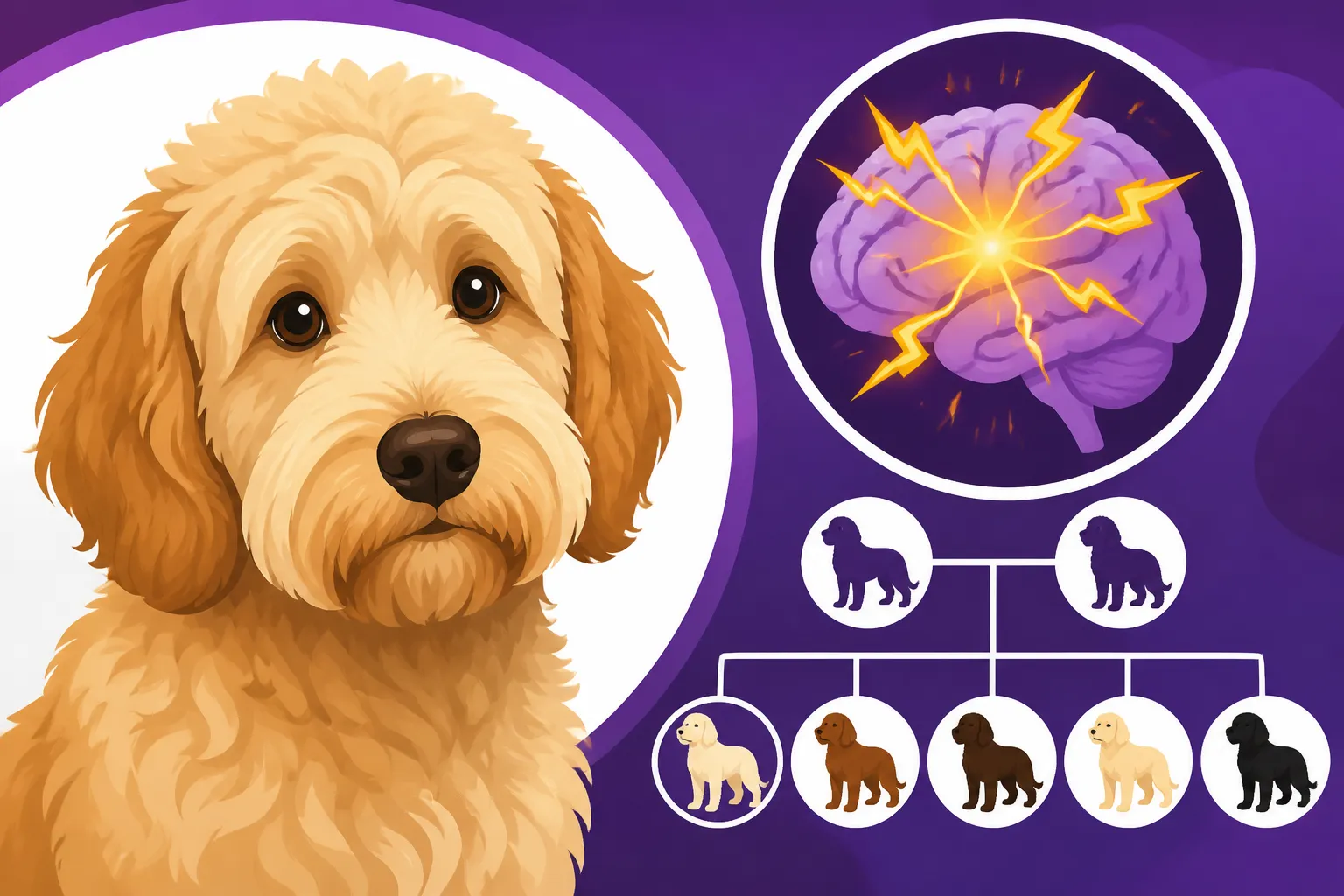
Epilepsy is a chronic neurological disorder characterized by recurrent, unprovoked seizures. In simple terms, it's like a short circuit in the brain's electrical activity. When we talk about Labradoodles, this condition is particularly noteworthy because both parent breeds, the Labrador Retriever and the Poodle, have documented predispositions to epilepsy. This means your adorable, fluffy companion, even with its supposed hybrid vigor, might still be at risk due to its genetic makeup. It's a tough reality to face, especially when you're told mixed breeds are inherently healthier, but unfortunately, Whether Hybrid Vigor Is Real in a Labradoodle is a complex topic.
What is Idiopathic Epilepsy?
The most common form of epilepsy in dogs is called "idiopathic epilepsy." The word "idiopathic" basically means that we don't know the exact cause. It's not due to a brain tumor, a head injury, or an infection; rather, it's believed to be genetic. This can be particularly frustrating for owners because there isn't a simple fix or a clear origin story. You're left wondering why your dog, who seems perfectly healthy otherwise, suddenly experiences these terrifying episodes. For Labradoodle owners, this inherited component is a significant concern, making responsible breeding practices, including health testing, crucial.
It’s a situation where despite the best intentions, the genetic lottery can still throw a curveball. While some breeders work tirelessly to screen for various health conditions, epilepsy can sometimes slip through, or manifest in lines where it wasn't previously obvious. This is why thorough discussion with your breeder about family history is so important, not just for epilepsy but for other inherited conditions like Addison's Disease a Labradoodle Inherits From the Poodle.
The Genetic Component in Labradoodles
As mentioned, both Poodles and Labrador Retrievers are among the breeds known to have a higher incidence of epilepsy. This means that a Labradoodle, being a cross of these two, can inherit the genetic markers for the condition from either side of its family tree. The exact mode of inheritance is still being studied and is likely complex, involving multiple genes rather than a single dominant or recessive one. This complexity makes predicting which puppies will be affected incredibly difficult, even with the most careful breeding programs.
It underscores the importance of understanding your dog's lineage as much as possible. If you know that either parent breed has a history of seizures in their lines, it’s not a guarantee your Labradoodle will develop epilepsy, but it certainly increases the probability. This knowledge allows you to be more vigilant and aware of the signs, ensuring you can act quickly if symptoms arise. After all, proactive care and knowing what to expect are key parts of ensuring your Labradoodle lives its happiest, healthiest life for The Twelve to Fifteen Years a Labradoodle Lives.
Recognizing the Signs of a Seizure in Your Labradoodle
Recognizing a seizure isn't always as straightforward as the dramatic, full-body convulsions you might imagine. Seizures come in many forms, and knowing what to look for, even the more subtle indicators, is crucial for your Labradoodle's well-being and for providing your vet with the information they need. It’s a terrifying experience for owners, and often, the first time it happens, you might even mistake it for something else entirely.
Pre-Ictal Phase: The Warning Signs
Before a seizure fully takes hold, many dogs experience what's known as the "pre-ictal" phase, or aura. This can last from a few minutes to several hours, and it's essentially a change in behavior that signals a seizure is imminent. For your Labradoodle, this might manifest as being unusually clingy, seeking comfort, or conversely, becoming restless, anxious, or hiding. They might seem disoriented or stare blankly into space. Some dogs will whine, drool excessively, or pace frantically.
I've heard stories from owners who describe their Labradoodles following them around like shadows, refusing to leave their side, almost as if they sense something is wrong and need reassurance. Other times, a typically calm dog might become agitated or begin to tremble. Learning your individual Labradoodle’s pre-ictal signs can be incredibly helpful for preparing yourself and ensuring their safety during the upcoming seizure, such as moving them away from stairs or sharp objects.
Ictal Phase: The Seizure Itself
The "ictal" phase is the seizure itself, and it can vary greatly in intensity and presentation. The most recognizable is the generalized, or grand mal, seizure, where your Labradoodle might collapse, lose consciousness, and exhibit full-body convulsions – paddling legs, rigid muscles, jaw chomping, excessive drooling, and possibly even urinating or defecating. This type is certainly the most distressing to witness.
However, seizures can also be focal (partial), affecting only a specific part of the body or causing localized muscle twitching. Your Labradoodle might suddenly start snapping at imaginary flies, chewing their paw repeatedly, or have involuntary facial twitching. They might remain conscious but seem dazed or unresponsive. Sometimes, it’s a series of unusual behaviors, like suddenly running in circles uncontrollably. It’s important to remember that during this phase, your dog isn't aware of what's happening. Your primary role is to keep them safe, ensure they aren't hurting themselves on furniture, and try to remain calm yourself.
Post-Ictal Phase: Recovery and Confusion
After the seizure, your Labradoodle enters the "post-ictal" phase, which can be just as confusing and upsetting as the seizure itself. This recovery period can last from minutes to days. Your dog will often appear disoriented, weak, wobbly, or even temporarily blind. They might pace aimlessly, bump into objects, or stand in a corner staring at the wall. Excessive hunger or thirst is also common as their body tries to recover.
It’s vital to give your Labradoodle space and comfort during this time. They won't understand what just happened and may be frightened or act unusually towards you, even their favorite person. Avoid trying to cuddle or restrain them too much, as they might inadvertently snap or bite due to their confusion. This is when your gentle presence and reassurance are key. Observe their recovery, keep them calm, and ensure they have access to water and a quiet space.
Table: What to Record During Your Labradoodle's Seizure
| Observation Point | Details to Note | Why It's Important |
|---|---|---|
| Date & Time | Start and end time of the seizure. | Helps establish frequency and pattern. |
| Duration | Exact length in minutes/seconds. | Crucial for determining severity and tracking treatment effectiveness. |
| Activity Before | What was your Labradoodle doing? (e.g., sleeping, playing, eating, stressful event) | Can help identify potential triggers. |
| Type of Seizure | Generalized (full body), focal (specific body part), staring, pacing, etc. | Aids in classification and understanding the neurological impact. |
| Specific Symptoms | Paddling, rigid limbs, drooling, chomping, vocalizing, urination, defecation, eye movements, loss of consciousness. | Provides your vet with a detailed picture of the event. |
| Recovery (Post-ictal) | How long did confusion last? Pacing, blindness, hunger, thirst, aggression, seeking comfort. | Indicates the seizure's impact and helps differentiate from other conditions. |
| Triggers (Suspected) | Was there a loud noise, storm, new medication, specific food, extreme excitement? | Helps pinpoint and potentially avoid future episodes. |
Keep a journal or use a dedicated app to track these details. This information is invaluable for your veterinarian in diagnosing and managing your Labradoodle’s condition.
Diagnosing Epilepsy: Ruling Out Other Conditions
Diagnosing epilepsy in Labradoodles isn't like diagnosing a broken bone, where an X-ray gives a clear answer. Instead, it's often a diagnosis of exclusion. This means your veterinarian will need to perform a series of tests to rule out every other possible cause for your Labradoodle's seizures before settling on idiopathic epilepsy. This process can be frustrating, costly, and emotionally draining, as you wait for answers while your furry friend might still be having episodes.
Initial Veterinary Assessment and Blood Work
Your vet will start with a thorough physical examination and a detailed neurological assessment. They'll ask you a lot of questions about what you observed before, during, and after the seizures, which is why that seizure journal you’ve been keeping (or will start keeping!) is so important. This initial step helps them to understand the nature of the episodes and narrow down potential causes.
Next, a comprehensive blood panel is usually performed. This includes a complete blood count (CBC) and a biochemistry profile. The blood work screens for metabolic issues that can mimic seizure activity, such as liver or kidney disease, electrolyte imbalances, or low blood sugar. For example, severe liver dysfunction can lead to toxins building up in the brain, causing neurological symptoms. They may also check thyroid function, as conditions like Thyroid Failure in a Labradoodle can sometimes be associated with seizures. Ruling out these systemic issues is crucial because addressing them might resolve the seizures without needing epilepsy medication.
Advanced Diagnostics: Imaging and CSF Analysis
If the initial blood work comes back clear, your vet will likely recommend more advanced diagnostics to investigate potential structural problems in the brain. This typically involves magnetic resonance imaging (MRI) of the brain. An MRI can detect abnormalities like brain tumors, inflammation, hydrocephalus (fluid on the brain), or previous strokes, all of which can cause seizures. It's a non-invasive but costly procedure that usually requires your Labradoodle to be under general anesthesia.
Another common advanced test is a cerebrospinal fluid (CSF) analysis. This involves collecting a small sample of fluid that surrounds the brain and spinal cord. The CSF is then analyzed for signs of infection, inflammation, or other neurological diseases. This procedure also requires anesthesia. While these tests are significant investments, they are absolutely vital for ensuring you're not missing a treatable underlying cause. For instance, if your Labradoodle's seizures are due to a treatable infection, you wouldn't want to just start them on lifelong epilepsy medication.
The Exclusion Diagnosis: When It's Idiopathic
After all the potential causes have been thoroughly investigated and ruled out – meaning the blood tests, MRI, and CSF analysis come back normal – your veterinarian will arrive at a diagnosis of idiopathic epilepsy. It can feel anticlimactic to get a diagnosis that essentially means "we don't know why," but it's important to understand that this is actually a positive step. It means you’ve eliminated the more serious, potentially life-threatening causes like brain tumors or infections.
At this point, the focus shifts from finding a cause to managing the condition. While there isn't a cure for idiopathic epilepsy, it is a manageable condition for many Labradoodles with the right treatment plan. Your vet will discuss options for controlling the seizures and improving your Labradoodle's quality of life. Knowing that it's idiopathic rather than something like Cancer in an Older Labradoodle can offer some relief, even if the road ahead involves ongoing management.
Managing Labradoodle Epilepsy with Medication
Once a diagnosis of idiopathic epilepsy is made, the next step is typically to begin medication to control the seizures. This isn't a one-size-fits-all approach; it’s a careful balancing act to find the right drug, dosage, and frequency that works best for your individual Labradoodle, with the fewest side effects. It’s a commitment, often for the rest of your dog's life, and it requires consistent administration and vigilant observation on your part.
Common Anticonvulsant Medications
There are several medications commonly used to manage canine epilepsy, and your vet will choose the best one based on your dog’s specific situation, seizure frequency, and severity. Phenobarbital is one of the oldest and most widely used anticonvulsants. It's effective but can have significant side effects, especially initially, such as sedation, increased thirst, and hunger. Regular blood tests are needed to monitor liver function and drug levels.
Another common choice is potassium bromide (KBr), often used in conjunction with phenobarbital or for dogs that don’t tolerate phenobarbital well. KBr can also cause sedation and increased thirst, and it takes longer to reach therapeutic levels in the body. Newer medications like Zonisamide and Keppra (levetiracetam) are also increasingly used, sometimes as a first-line treatment or as an add-on therapy for dogs whose seizures aren't fully controlled by older drugs. These often have fewer immediate side effects but can still require careful monitoring. Your vet will guide you through the pros and cons of each.
Finding the Right Dosage and Monitoring
Starting medication is a journey, not a destination. Your vet will typically begin with a standard dose and then monitor your Labradoodle closely. You'll continue to keep your seizure journal, noting any episodes, their severity, and any side effects you observe. Based on this information and regular blood tests to check drug levels, the dosage may be adjusted. It's not uncommon for it to take several weeks or even months to find the optimal balance.
During this period, patience is key. It can be disheartening if seizures continue or if your Labradoodle is experiencing noticeable side effects. Communicate openly and frequently with your vet about everything you observe. They might recommend blood tests for therapeutic drug monitoring, which ensures the medication is at a level that’s effective but not toxic. This ongoing partnership with your veterinary team is essential for successful management, much like how owners of dogs with Life on Daily Medication for an Addisonian Labradoodle have to be consistently diligent.
Managing Side Effects and Drug Interactions
All medications come with potential side effects, and anticonvulsants are no exception. Beyond the initial sedation and increased thirst/hunger, some dogs might experience changes in behavior, gastrointestinal upset, or liver issues, especially with long-term use of certain drugs. It’s important to report any new or worsening symptoms to your vet immediately. They might be able to adjust the dosage, change the medication, or prescribe additional support to mitigate these effects.
Furthermore, it's crucial to inform your vet about all other medications or supplements your Labradoodle is taking. Anticonvulsants can interact with other drugs, altering their effectiveness or increasing the risk of side effects. For example, certain antibiotics or anti-inflammatory drugs might change how anticonvulsants are metabolized. This holistic view of your dog's health ensures that all treatments work together safely and effectively. Staying on top of all these aspects can feel like a full-time job, but it’s critical for your Labradoodle’s health and comfort.
Living with an Epileptic Labradoodle: Daily Care and Support
Beyond medication, living with an epileptic Labradoodle requires a thoughtful approach to daily care and a stable home environment. While you can't always prevent seizures, you can take steps to minimize potential triggers and ensure your dog's safety and well-being. This journey will test your patience and resolve, but with love and consistency, your Labradoodle can still lead a full and happy life.
Identifying and Avoiding Triggers
While idiopathic epilepsy has no identifiable cause, many owners notice patterns or potential triggers that seem to precede their Labradoodle's seizures. These can be highly individual but commonly include stress, extreme excitement, changes in routine, certain foods, loud noises, flashing lights, or even strong smells. Hormonal changes, particularly around heat cycles in intact females, can also play a role.
Keeping that detailed seizure journal will become your best friend here. Over time, you might start to see correlations. For example, if your Labradoodle consistently has a seizure after a particularly boisterous playdate or a visit from unfamiliar guests, you might need to manage those situations differently. Creating a calm, predictable environment can go a long way in reducing overall stress, which in turn might help reduce seizure frequency. This proactive management is a continuous learning process, making you even more attuned to your dog's needs.
Environmental Adjustments and Safety
Your home environment also needs to be considered for an epileptic Labradoodle. During a seizure, dogs can thrash violently and injure themselves on furniture, stairs, or sharp corners. If your dog frequently has seizures in a particular area, consider padding sharp edges, blocking off access to stairs, or using a large, open crate as a safe zone during a potential episode.
It's also a good idea to ensure your Labradoodle isn't left unattended for long periods, especially if their seizures are frequent or severe. If you have children, educate them on what a seizure looks like and the importance of giving the dog space during and after an episode. Simple modifications can make a big difference in preventing injury and making everyone in the household feel more secure. This kind of diligent care becomes even more pertinent as your dog ages, and you begin to ask What a Labradoodle Owner Should Watch For After Eight.
The Importance of Routine and Diet
Dogs thrive on routine, and for an epileptic Labradoodle, consistency is even more beneficial. Sticking to regular feeding times, walk schedules, and medication administration helps to minimize stress and maintain stable body rhythms. Any sudden changes can be unsettling and potentially trigger an episode.
While diet isn't a cure, some owners find that certain foods or ingredients may act as triggers. Discuss with your vet whether any dietary changes might be beneficial. Some research suggests that diets rich in medium-chain triglycerides (MCTs) can have neuroprotective benefits for some epileptic dogs, but this should always be explored under veterinary guidance. Ensuring a high-quality, balanced diet is fundamental to overall health, and a healthy gut can also contribute to a healthy brain.
The Emotional Toll and Support for Owners
Caring for a Labradoodle with epilepsy isn't just about managing medication and keeping records; it's an emotionally taxing journey. The fear of the next seizure, the guilt, the constant vigilance – it can weigh heavily on pet parents. It's crucial to acknowledge these feelings and seek support for yourself, too. You are an integral part of your dog's care team, and your well-being directly impacts theirs.
The Fear of the Unknown and Owner Guilt
One of the hardest parts of living with an epileptic dog is the pervasive fear of the unknown. When will the next seizure happen? Will it be worse than the last? Will you be there to help? This constant anxiety can be exhausting. Many owners also grapple with immense guilt, wondering if there was something they could have done differently, or if they somehow missed earlier signs. It's vital to remember that idiopathic epilepsy is largely genetic and beyond your control. You are doing everything you can by providing care and seeking veterinary help.
A seizure emergency can also be incredibly stressful and costly. While it's tough to think about, having a financial plan in place, or even pet insurance, can ease the burden during these moments. Many pet insurance providers, such as Healthy Paws, offer coverage for chronic conditions like epilepsy once your policy is active and waiting periods are met, which can provide significant peace of mind. Thinking about the full cost of fourteen years with a Labradoodle can be overwhelming, so planning is essential.
Building a Strong Partnership with Your Veterinarian
Your veterinarian is your most important ally in managing your Labradoodle’s epilepsy. A strong, trusting relationship with an experienced vet who understands neurological conditions is invaluable. Don't hesitate to ask questions, express your concerns, and seek clarification on any part of the treatment plan. They are there to support both you and your dog.
Regular check-ups, even when your Labradoodle seems stable, are crucial for monitoring medication effectiveness, checking for side effects, and generally assessing their overall health. For some dogs, this might include blood tests for drug levels or general health screenings like The Yearly Screening a Labradoodle Should Get. Being open about your observations and any challenges you face will help your vet provide the best possible care adjustments.
Connecting with Support Groups and Resources
You are not alone in this journey. There are many online forums, social media groups, and local communities dedicated to owners of epileptic dogs. Connecting with others who understand your struggles can provide immense emotional support, practical advice, and a sense of camaraderie. Sharing experiences, tips for managing specific challenges, or simply venting your frustrations can be incredibly cathartic.
Organizations like the Canine Epilepsy Resources, the Epilepsy Foundation, or even breed-specific groups for Labradoodles might offer valuable information and resources. Learning from the experiences of others, and knowing that your feelings are valid and shared, can make the challenging path of caring for an epileptic Labradoodle much more manageable. Furthermore, supporting organizations that advocate for genetic testing and responsible breeding, asking Whether Health Tested Parents Add Years to a Labradoodle, ultimately benefits the entire breed community.
Disclaimer
Please remember that this article is intended for informational purposes only and should not be considered a substitute for professional veterinary advice. Always consult with your veterinarian for any health concerns or before making any decisions related to your Labradoodle's care or treatment.