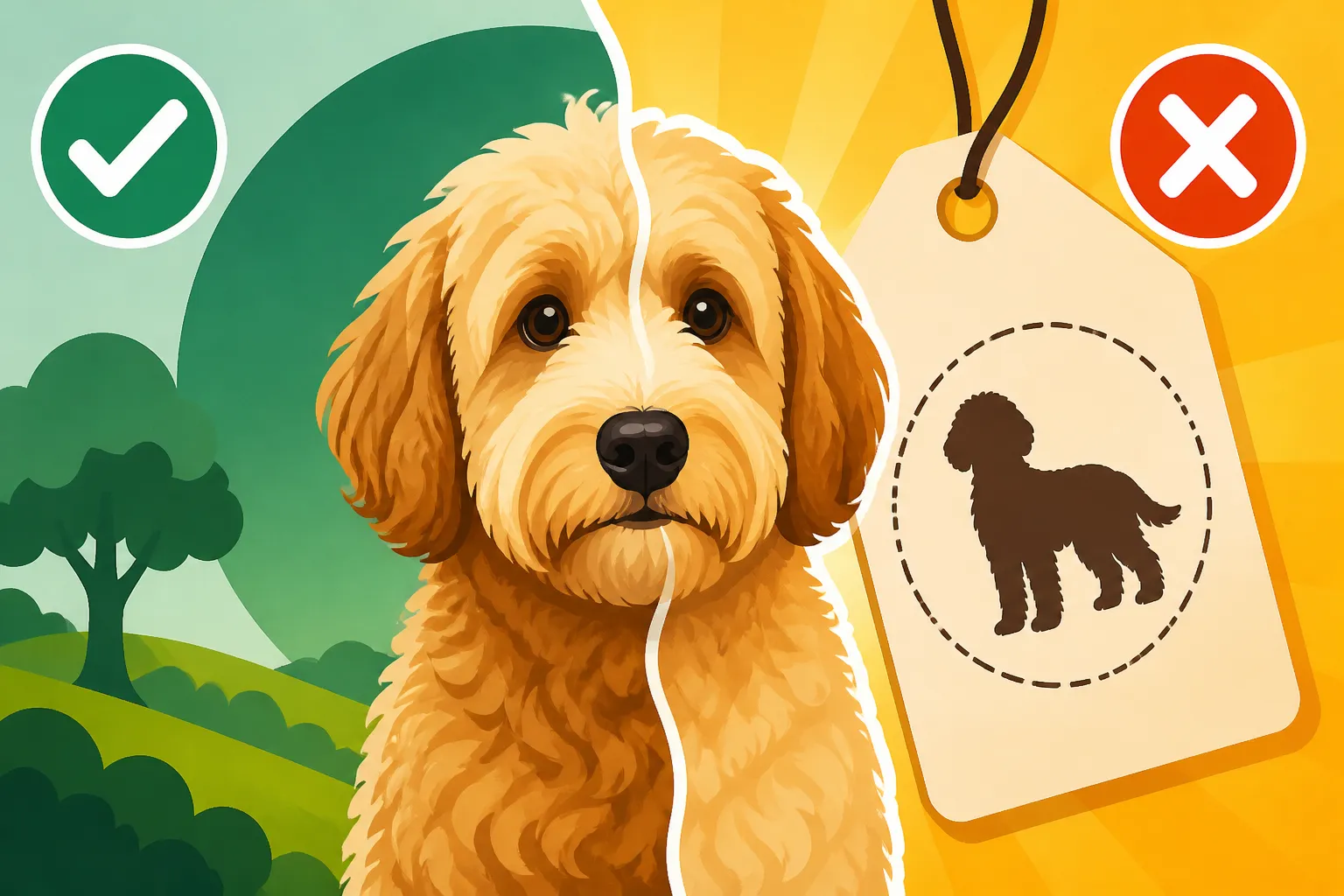
Whether Australian Labradoodle Is Just a Marketing Label
It's easy to feel utterly lost and overwhelmed when you start researching Labradoodles, only to find another breed called an "Australian Labradoodle." You might wonder if it's just a clever marketing trick or if there's a genuine difference behind the fancy name. This guide will thoroughly unpack the distinctions and history of the Australian Labradoodle, helping you understand if it's truly a unique entity or just a label.
The Distinct Origins of the Australian Labradoodle
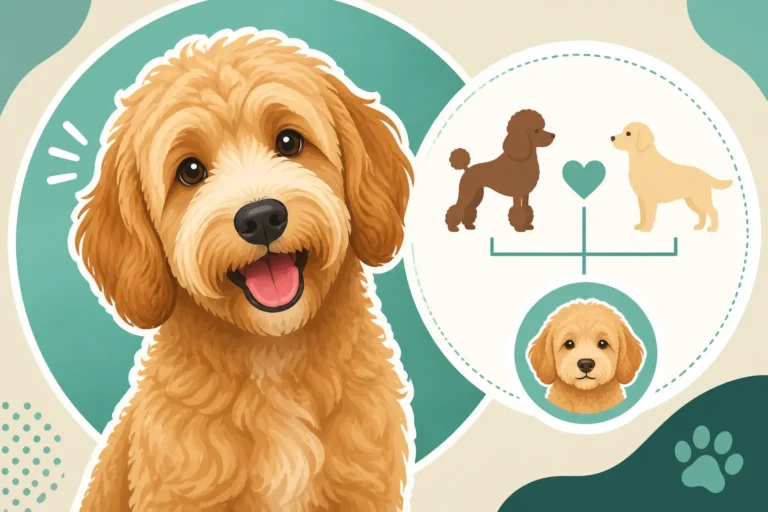
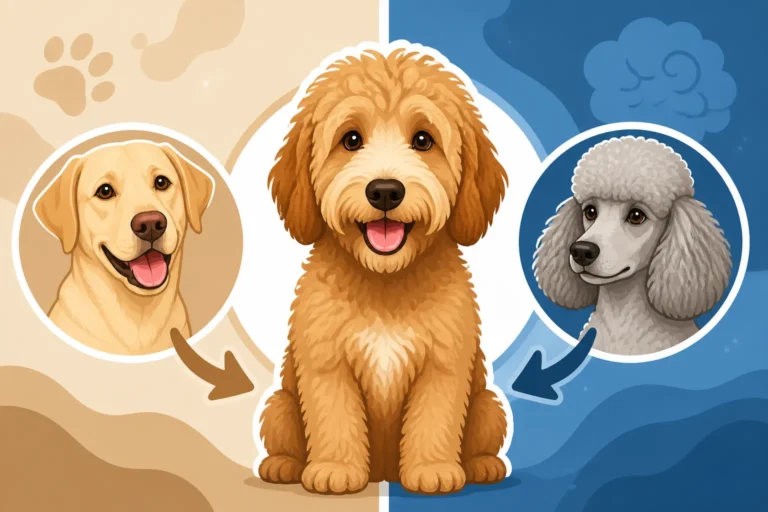
The confusion often starts right at the beginning because the original Labradoodle, created in Australia by Wally Conron for Guide Dogs Victoria, was simply a cross between a Labrador Retriever and a Poodle. But the "Australian Labradoodle" we talk about today is actually a different, more complex lineage that evolved from that initial concept, leading many to question whether an Australian Labradoodle is not a Labradoodle. It’s a bit like comparing a classic pie recipe to a gourmet version that has several extra, carefully selected ingredients added over time to perfect the flavor and texture.
Beyond the First Cross: Additional Breeds in the Mix
What truly sets the Australian Labradoodle apart from a simple Labradoodle (an F1 cross, for instance) is its multi-generational development and the intentional introduction of other breeds into its genetic makeup. While the original Labradoodle was a Poodle-Labrador cross, the vision for the Australian Labradoodle was to create a dog with a consistent temperament, coat type, and health profile. To achieve this, dedicated breeders in Australia, striving for more predictable characteristics, introduced a few other breeds into the lineage.
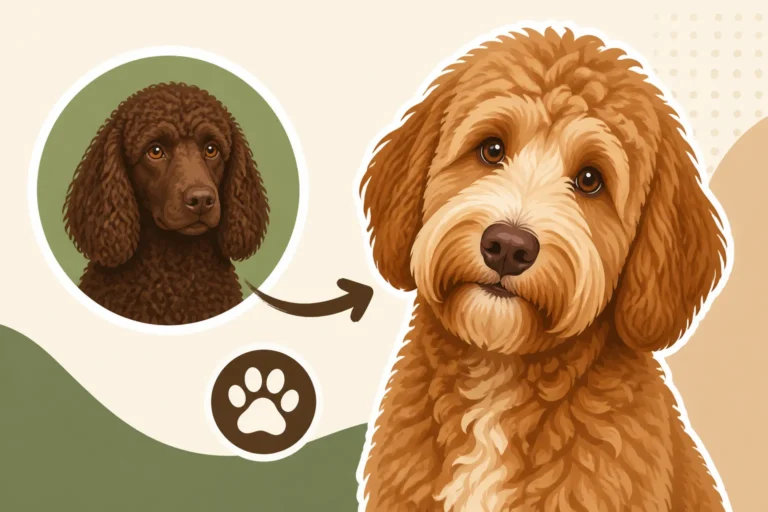
Specifically, the Cocker Spaniel (both English and American) and the Irish Water Spaniel were carefully added. This wasn't a random throwing together of breeds; it was a deliberate effort to enhance certain traits. The Cocker Spaniel contributed to the desired soft, wavy or curly fleece coat, and also influenced the overall size and gentle nature. The Irish Water Spaniel, another water-loving retriever with a non-shedding coat, further solidified the coat type and added to the intelligent, eager-to-please temperament. This means that a true Australian Labradoodle isn't just a 50/50 mix of Poodle and Labrador; it's a carefully crafted blend of up to four different breeds. The Four Breeds Inside an Australian Labradoodle gives a deeper look into this fascinating genetic tapestry.
The Journey to a Consistent "Type"
Unlike standard Labradoodles, which can be F1 (first cross), F1b (first cross bred back to a Poodle), or F2 (two F1 Labradoodles bred together), the Australian Labradoodle is consistently bred multi-generationally. This means breeders are continually pairing Australian Labradoodles with other Australian Labradoodles, selecting for specific traits that align with a developing breed standard. The goal is to move away from the unpredictable "lottery" of a first-generation cross and achieve a consistent "type" that produces puppies with predictable coats, temperaments, and health clearances. This rigorous, multi-generational breeding program is what breeders point to when they say the "Australian Labradoodle" is more than just a label; it's a testament to years of selective breeding for a specific set of characteristics. This also explains why you often hear questions like Whether an Australian Labradoodle Breeds True, because the aim is precisely that consistency.
Why the "Australian" Label Matters to Breeders and Buyers
The "Australian" label isn't just a geographical tag; it signifies a particular approach to breeding, a commitment to specific breed goals, and often, a higher price tag. For many buyers, the desire for predictability in their new family member, especially concerning coat and temperament, makes this label incredibly appealing.
The Promise of Predictable Coats
One of the biggest driving forces behind the development of the Australian Labradoodle, and thus the importance of its label, is the coat. The original goal of the Labradoodle was to create an allergy-friendly guide dog, but first-generation crosses can be highly unpredictable. Some F1 Labradoodles shed significantly, while others have more Poodle-like coats. This variability can be a huge disappointment for families seeking a low-shedding or hypoallergenic companion.
Australian Labradoodle breeders, through their multi-generational program and the introduction of other non-shedding breeds, have worked tirelessly to produce a much more consistent coat type. They aim for the soft, low-shedding fleece or wool coats that are often desired by allergy sufferers. When you buy an Australian Labradoodle, you're buying into the promise of a more predictable coat. This consistency, however, often comes with a higher grooming commitment and cost. For example, Why a Wool Coated Labradoodle Costs More to Groom delves into the specific demands of these beautiful coats, which require regular brushing and professional grooming appointments, with tools and products often found on sites like Chewy.
Temperament and Health Expectations
Beyond the coat, the "Australian" designation carries weight when it comes to temperament and health. Enthusiasts argue that the careful selection and multi-generational breeding lead to a more consistently calm, intelligent, and intuitive temperament compared to a standard Labradoodle. They are often described as "Velcro dogs" due to their desire to be close to their families, and their intuitive nature is highly valued for therapy and assistance work. The Temperament a Labradoodle Gets From Each Parent highlights how these traits are inherited and refined.
Furthermore, responsible Australian Labradoodle breeders emphasize extensive health testing. While all reputable breeders of any Labradoodle should perform health clearances on their breeding stock, the Australian Labradoodle community often has very strict testing protocols embedded in their club standards. This includes screening for common genetic issues found in Poodles, Labradors, and the other foundational breeds, such as hip and elbow dysplasia, eye conditions like progressive retinal atrophy, and certain cardiac and thyroid issues. This meticulous approach to health aims to reduce the incidence of hereditary diseases, potentially adding years to a dog's life and saving owners heartache and vet bills. You can learn more about these efforts in Whether Health Tested Parents Add Years to a Labradoodle and The Health Tests a Labradoodle Breeder Should Show.
It's important to understand that no dog is guaranteed to be free of health issues, but the emphasis on genetic health screening within recognized Australian Labradoodle associations (like the ALAA or WALA) gives buyers a level of assurance that might not always be present with an unregistered F1 or F1b Labradoodle breeder. Looking into What an ALAA Labradoodle Breeder Charges Above a Hobby One can also shed light on how these stringent standards influence pricing.
Differentiating the "Australian Labradoodle" in the Marketplace
When you're out looking for a Labradoodle, the sheer variety can be baffling. Understanding how the "Australian Labradoodle" is presented and what it truly offers can help you make an informed decision amidst the many options.
What Makes an "Australian Labradoodle" Different?
Let's break down the key differences between what's typically referred to as a "Labradoodle" (often an F1 or F1b cross) and an "Australian Labradoodle." This comparison can clarify why the label exists and what value it aims to convey.
| Feature | Standard Labradoodle (F1/F1b) | Australian Labradoodle (Multi-generational) |
|---|---|---|
| Parent Breeds | Labrador Retriever x Poodle (F1) | Labrador Retriever, Poodle, Cocker Spaniel (Eng/Am), Irish Water Spaniel (multi-gen) |
| Generations | Often first (F1) or second (F1b) generation | Multi-generational, bred to consistent type |
| Coat Predictability | Highly variable; can shed, inconsistent textures | Aims for consistent, low-shedding fleece or wool coats |
| Temperament Focus | Blend of parent breeds, can be variable | Bred for consistent, calm, intuitive, and family-friendly traits |
| Breed Standard | None | Working towards a breed standard, defined by associations |
| Price Point | Generally lower | Generally higher due to extensive breeding and testing |
| Registry/Pedigree | Often unregistered, or simple parentage | Registered with breed-specific associations (e.g., ALAA, WALA), detailed pedigrees |
This table clearly illustrates that the "Australian Labradoodle" is, by definition and intent, a more evolved and complex canine. It's not just a fancy name for the same dog.
The Role of Registries and Associations
For those passionate about the Australian Labradoodle as a developing breed, organizations like the Australian Labradoodle Association of America (ALAA) and the Worldwide Australian Labradoodle Association (WALA) play a crucial role. These associations maintain breed standards, register dogs, and enforce strict codes of ethics for breeders, including mandatory health testing. When a breeder states their dogs are "ALAA registered" or "WALA pedigreed," it means their dogs meet specific criteria, have documented lineages, and come from a program committed to the breed's continued development.
This is a significant distinction from a breeder who simply crosses a Labrador with a Poodle and calls the offspring "Labradoodles." The presence of these registries indicates a serious commitment to genetic health, temperament, and the overall integrity of the Australian Labradoodle as a distinct entity. For buyers, these registrations offer transparency and a paper trail, giving peace of mind. What a WALA Labradoodle Pedigree Costs and Proves can give you a better idea of the effort and documentation involved.
Making an Informed Decision: Is the Label Worth It for You?
Ultimately, deciding if the "Australian Labradoodle" label is worth the often higher investment comes down to your priorities and expectations for a canine companion. It's easy to dismiss it as pure marketing, but there's a substantial difference in the breeding philosophy and genetic makeup behind the name.
Weighing the Costs and Benefits
It's no secret that Australian Labradoodles typically come with a higher price tag than many standard Labradoodles. Why an Australian Labradoodle Costs Twice a Labradoodle is a common reality. This increased cost reflects the significant investment breeders make in health testing, multi-generational breeding programs, careful selection of breeding stock, and adhering to association standards. It's also a reflection of the demand for the more consistent traits these dogs are known for.
For families with severe allergies who require a truly low-shedding dog, the predictability of an Australian Labradoodle's coat might be a non-negotiable benefit. For those seeking a dog with a specific, calm, and intuitive temperament for emotional support or therapy work, the consistent temperament profile of the Australian Labradoodle could be invaluable. However, if your primary goal is simply a Poodle-Lab mix and you're open to variations in coat and temperament, the added expense of the "Australian" label might not align with your needs.
What to Ask a Breeder
Regardless of whether you choose a standard Labradoodle or an Australian Labradoodle, thorough research into breeders is paramount. For Australian Labradoodles, specifically ask about their registrations with ALAA or WALA, and request to see detailed pedigrees and health clearances for both parents. Don't just take their word for it; ask for the official reports, which often include evaluations for hips, elbows, eyes, and genetic disease panels. A reputable breeder will be transparent and happy to share this information.
Consider visiting the breeder's facility, meeting the parent dogs, and observing the puppies' environment. Pay attention to how the puppies are socialized and handled. A responsible breeder will also ask you plenty of questions to ensure their puppies are going to suitable homes. Remember, the "Australian Labradoodle" label is meaningful when backed by ethical, responsible breeding practices. You can find essential questions to ask a breeder in The Health Tests a Labradoodle Breeder Should Show.
Don't forget to ask about common items you'll need for your new puppy. Many breeders will recommend certain foods, training tools, or grooming supplies. A great resource for all these essentials, from specialized shampoos for those fabulous coats to durable chew toys to keep them entertained, is a well-stocked online pet supply store like Chewy. You'll want sturdy leashes and harnesses too, especially for those spirited walks!
In conclusion, the term "Australian Labradoodle" is far more than just a marketing label. It represents a distinct breeding program with a specific history, carefully selected foundational breeds beyond just the Poodle and Labrador, and a commitment to producing dogs with predictable coat types, temperaments, and health profiles through multi-generational breeding. While a standard Labradoodle can be a wonderful companion, the "Australian" designation signifies a more established and consistent approach to the breed's development, which can be exactly what some families are looking for.
Disclaimer
This article is for general informational purposes only and does not constitute professional advice. Laws, prices and regulations vary by location and change over time. Consult a qualified professional for guidance on your specific situation.