When to Take a Labradoodle Off Large Breed Puppy Food
One of the biggest head-scratchers for new Labradoodle parents, especially those with standard-sized pups, is figuring out the feeding schedule. It's not just about what to feed them, but when to make those crucial transitions, and the thought of getting it wrong and potentially harming your beloved growing companion can be incredibly stressful. This guide is here to demystify the process, explaining exactly when and why you should transition your Labradoodle off large breed puppy food to ensure they grow up healthy and strong, avoiding common pitfalls along the way.
Understanding Your Labradoodle's Unique Growth Journey
Labradoodles, especially the standard-sized ones, are not like smaller breeds that reach maturity in a blink. Their growth is a marathon, not a sprint, and understanding this fundamental difference is key to their long-term health. Rushing their development, particularly concerning their skeletal structure, can lead to serious problems down the line.
The Long Road to Maturity for Large Breeds
Unlike a Miniature Labradoodle that might hit its adult size around 10-12 months, a standard Labradoodle has a much longer journey ahead. They continue to grow and develop, sometimes subtly, well past their first birthday. Think of them as teenagers; they might look grown up on the outside, but internally, bones are still fusing, muscles are still strengthening, and ligaments are still tightening. This extended growth period means their nutritional needs remain unique for longer than you might initially assume.
The primary concern with large breed puppies is protecting their rapidly developing bones and joints. Their growth plates, the areas of cartilage at the ends of long bones, are incredibly vulnerable during this time. Too much, or too little, of certain nutrients can disrupt this delicate process, leading to conditions like hip or elbow dysplasia later in life. This is precisely why specialized large breed puppy foods exist and why knowing when to stop feeding them is so vital. It's not just about weight, but about skeletal maturity.
Why Growth Plate Closure is So Important
The closure of growth plates marks the true end of linear bone growth. Once these plates fuse, the bones can no longer lengthen. For large breeds like your Labradoodle, this can take anywhere from 14 to 24 months, sometimes even longer for the really big boys and girls. During this entire period, those growth plates are soft and susceptible to injury or abnormal development if the puppy's diet doesn't support a steady, controlled growth rate.
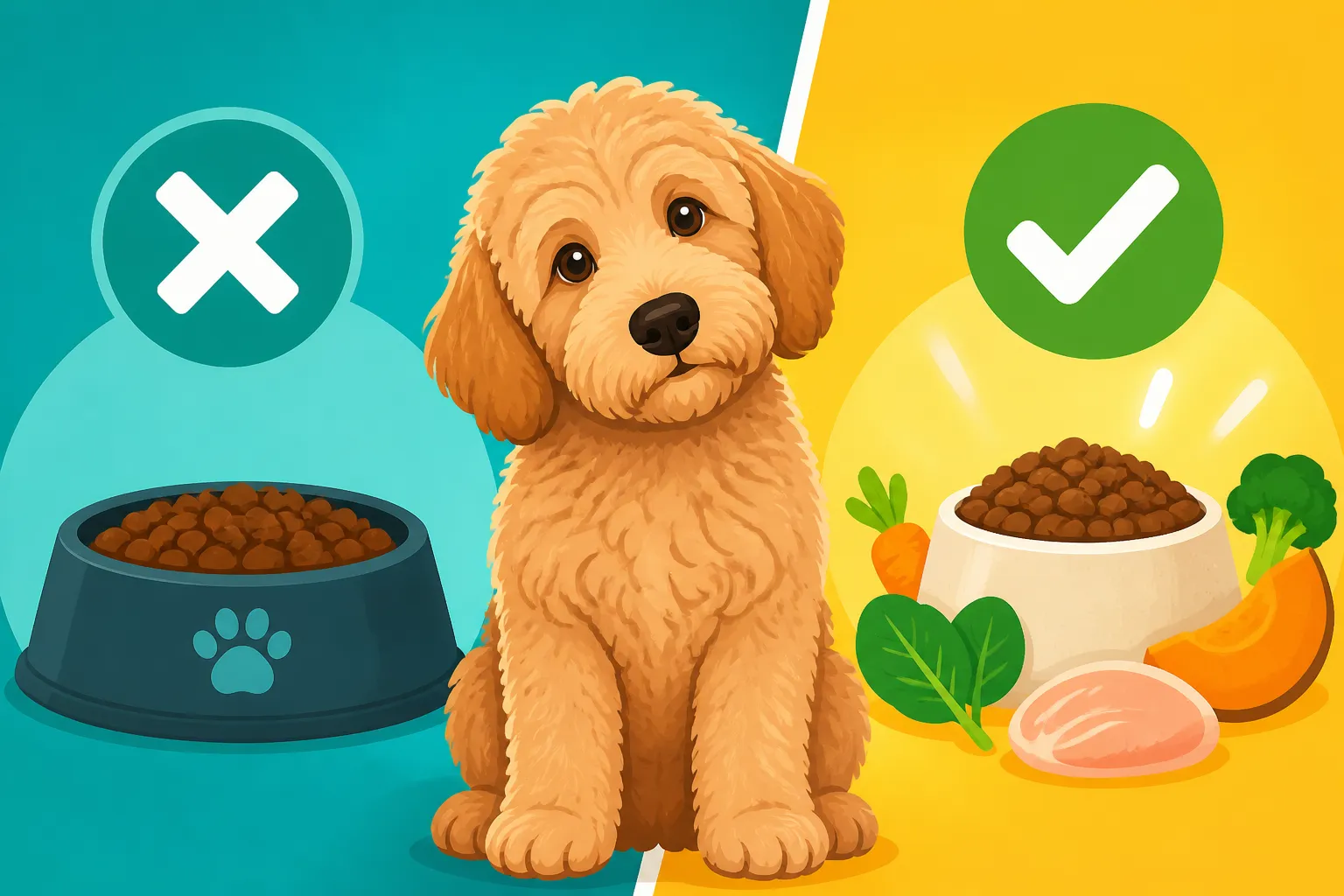
Feeding a regular puppy food, which is often higher in calories and certain minerals like calcium, to a large breed puppy can actually accelerate growth too quickly. This rapid growth can put undue stress on soft, developing joints, increasing the risk of orthopedic issues. Large breed puppy formulas are specifically designed to promote slow and steady growth, providing the right balance of nutrients to support bone development without over-accelerating it. It's a delicate balance, and getting it right sets the stage for a lifetime of healthy mobility for your Labradoodle. For more on ensuring proper development, check out The Growth Formula a Standard Labradoodle Needs.
The Science Behind Large Breed Puppy Food
It’s not just marketing hype; large breed puppy food truly is formulated differently from regular puppy kibble. These specialized diets are crafted with your Labradoodle's unique developmental pace in mind, focusing on specific nutrient ratios that promote healthy, controlled growth rather than speed.
Controlled Calories and Balanced Minerals
One of the biggest differences you'll find in large breed puppy food is its controlled calorie content. While all puppies need energy to grow, large breed puppies don't need excess calories that can lead to rapid weight gain. Rapid weight gain is a huge stressor on developing joints. These foods aim to keep your Labradoodle lean and healthy, preventing unnecessary strain on their growth plates and ligaments. It's about optimizing growth, not maximizing it. Many owners find brands like Chewy offer a wide variety of large breed specific foods, making it easier to find one that suits their Labradoodle.
Beyond calories, the ratios of calcium and phosphorus are absolutely critical. Standard puppy foods often have higher levels of these minerals, which is fine for smaller breeds, but can be detrimental to large ones. For a Labradoodle, too much calcium can interfere with bone remodeling and potentially lead to skeletal abnormalities. Large breed puppy foods maintain a carefully calibrated balance, typically lower in calcium and phosphorus, to ensure bones develop at the correct rate and density. It's a fine line to walk, and these formulas are designed by veterinary nutritionists to get it just right.
Supporting Joint Health from the Start
Given the Labrador and Poodle heritage, both of which can be prone to joint issues, a Labradoodle's joint health is a paramount concern from day one. Large breed puppy formulas often include ingredients aimed at supporting joint development, such as glucosamine and chondroitin. While not a magic bullet, these supplements are thought to help support cartilage health, laying a strong foundation for future mobility.
The goal isn't just to prevent problems, but to build a robust skeletal system that can support a sixty-pound Labradoodle throughout its active life. It's like building a house; you want a strong foundation that can withstand years of activity and play. The right nutrition during puppyhood contributes significantly to this foundational strength. You can explore options for joint support and general nutrition on platforms like Amazon once your Labradoodle is ready for adult food, or even specific fresh food diets from companies like Ollie that cater to different life stages.
Reading the Signs: When Your Labradoodle is Ready for Adult Food
Knowing exactly when to make the switch can feel a bit like guesswork, but there are clear guidelines and physical cues that signal your Labradoodle is ready to transition off large breed puppy food. It's a combination of age, size, and behavioral maturity.
The Age Guideline: More Than Just a Birthday
Generally, large breed dogs like standard Labradoodles are ready to transition to adult food between 12 and 18 months of age. Some may even benefit from staying on puppy food until they are closer to two years old, especially if they are particularly large or have been slower to mature. It’s crucial to remember that this isn't a hard and fast rule set in stone for every single dog, but a range.
A Labradoodle's growth can vary based on their specific genetic makeup (are they more Poodle or Labrador dominant in growth pattern?), their size within the standard range, and even their activity level. For instance, a very active Labradoodle might mature slightly differently than a more laid-back one. It's always a good idea to chat with your veterinarian about your individual dog's development. They can help you assess if your Labradoodle's growth plates have closed or if they're still in that vulnerable stage where large breed puppy food is providing crucial support. For an idea of their lifespan, read The Twelve to Fifteen Years a Labradoodle Lives.
Physical Cues Your Labradoodle is Maturing
Beyond the age guidelines, pay close attention to your Labradoodle's physical development. Are they filling out, looking less "lanky" and more muscular? Is their growth slowing down noticeably? When you feel along their rib cage, do you feel a thin layer of fat, or are their ribs still quite prominent? A growing puppy should have some lean mass, but not be overly plump, which can put stress on joints. You might notice their height has plateaued, and they're mostly just gaining muscle or filling out their chest.
Another subtle cue is their energy level and overall demeanor. While Labradoodles are known for their playful nature, a puppy's boundless, often chaotic, energy slowly gives way to a more controlled, though still enthusiastic, adult energy. They might be less prone to sudden growth spurts that leave them tired and more capable of sustained activity. This maturity often aligns with their skeletal development reaching a stable point where adult nutrition is more appropriate. Keeping an eye on The Weight a Labradoodle Should Hold is a great way to monitor their physical maturity.
Here's a quick reference table for general guidelines:
| Labradoodle Size | Typical Age to Transition (Approx.) | Key Indicators | Nutritional Focus |
|---|---|---|---|
| Miniature | 9-12 months | Reached adult height/weight, minimal visible growth. | Maintaining adult weight, general health. |
| Medium | 12-16 months | Growth visibly slowing, filling out, less "puppy fat." | Balanced adult nutrients, joint support. |
| Standard | 14-24 months | Significant slowing of growth, bone structure appears solid, less lanky. | Joint health, weight management, sustained energy. |
The Transition Process: Smooth Sailing to Adult Food
Once you and your vet agree it's time to make the switch, don't just dump a new bag of food into their bowl. A gradual transition is key to avoiding digestive upset and ensuring your Labradoodle adapts well to their new diet. Their sensitive stomachs need time to adjust!
Gradual Introduction Prevents Tummy Troubles
Imagine suddenly switching your own diet from what you've eaten your whole life to something completely new. Your stomach would probably protest! It's the same for your Labradoodle. A sudden change can lead to diarrhea, vomiting, or a general reluctance to eat. The best approach is a slow, steady introduction over at least 7-10 days, sometimes even two weeks for especially sensitive pups.
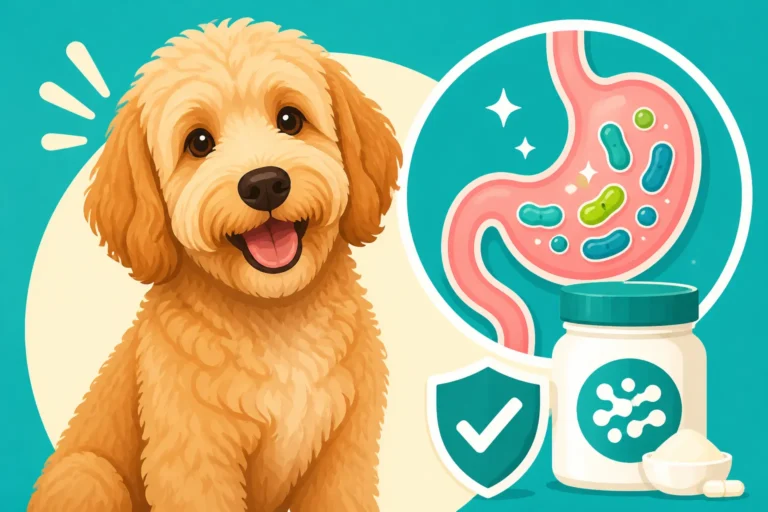
Start by mixing a small amount of the new adult food with their current large breed puppy food. A good starting point is about 25% new food to 75% old food. Feed this mixture for a few days, observing your Labradoodle for any signs of digestive distress. If all goes well, gradually increase the proportion of new food while decreasing the old. Move to 50/50 for a few days, then 75% new to 25% old, and finally, 100% adult food. This slow process allows their digestive system, including their gut microbiome, to adapt to the new ingredients and nutrient profile.
Monitoring and Adjusting Post-Transition
After the full transition to adult food, continue to keep a close eye on your Labradoodle. Observe their energy levels, coat condition, and most importantly, their stool quality. Firm, well-formed stools are a good sign that they are digesting their new food well. Any signs of loose stools, excessive gas, or changes in appetite might indicate the new food isn't quite right for them, or that the transition was too fast.
You might also notice changes in their weight. Adult foods typically have fewer calories per serving than large breed puppy foods, so you might need to adjust the portion size slightly to maintain their ideal body condition. Remember, a lean Labradoodle is a healthy Labradoodle, especially when it comes to long-term joint health. If you're concerned about The Weight a Labradoodle Puts On Without Anyone Noticing, make sure to measure their food portions accurately and adjust as needed, rather than free-feeding. Don't hesitate to consult your vet if you have any lingering concerns about their weight or overall health after the switch. They can help you fine-tune their diet to meet their individual needs as a fully grown Labradoodle.
Choosing the Right Adult Food for Your Labradoodle
Making the switch isn't just about timing; it's also about selecting the right adult food that will continue to support your Labradoodle's health and vitality throughout their prime years. The market is saturated with options, which can feel overwhelming, but focusing on quality ingredients and reputable brands can simplify the choice.
What to Look For in an Adult Formula
When evaluating adult dog food for your Labradoodle, prioritize formulas that list a high-quality animal protein (like chicken, lamb, or beef) as the first ingredient. Look for whole food ingredients and avoid excessive fillers, artificial colors, flavors, or preservatives. While there's ongoing debate about grains, many Labradoodles thrive on diets that include healthy grains like brown rice or oats, which provide essential fiber and carbohydrates. If you're considering a grain-free diet, it's wise to discuss it with your vet, as recent research has raised some questions about their long-term effects on canine heart health. For general guidance on what they need, you can look into How Much an Adult Labradoodle Eats Daily.
Consider formulas that are specifically "large breed adult" or "all life stages" if they meet the proper nutritional profiles. These often continue to incorporate ingredients beneficial for joint health, even if in slightly different concentrations than puppy food. The key is balance and digestibility. A good quality food will provide sustained energy without leading to weight gain, and support a healthy coat and immune system. Platforms like Chewy offer detailed ingredient lists and customer reviews that can be helpful in your research.
Catering to Individual Needs and Preferences
Every Labradoodle is an individual, and what works wonderfully for one might not be ideal for another. Some Labradoodles might do best on kibble, while others might thrive on a fresh food diet from a service like Ollie, or a combination of both. Pay attention to your dog's preferences and how they respond to different foods. Are they enthusiastic at mealtime? Do they maintain a healthy weight and coat? These are all indicators of a suitable diet.
It's also worth noting that a Labradoodle's dietary needs can change as they age. As they move into their senior years, around 7-8 years old, you might consider switching to a senior formula designed for older dogs, which often have fewer calories and added joint support. Keep an open dialogue with your veterinarian; they are your best resource for personalized nutritional advice throughout your Labradoodle's life, from puppyhood to those golden years. You might also find this useful: Feeding a Labradoodle Past Ten.
Common Questions About Labradoodle Food Transitions
Navigating the world of dog food can be confusing, and even with the best information, questions often pop up. Here are some of the most common concerns Labradoodle owners have when transitioning their pups to adult food.
Can I Keep My Labradoodle on Puppy Food Longer?
While it’s usually recommended to transition large breed puppies off their specialized puppy food around 14-24 months, keeping them on it a little longer isn't necessarily harmful if done under veterinary guidance. Some very large or slow-maturing Labradoodles might benefit from an extended period on large breed puppy food, especially if their vet identifies that their growth plates are still open. The main risk of extending it too long, particularly with a regular puppy food (not large breed specific), is excessive calorie intake leading to overweight conditions and potentially too much calcium, which can predispose them to orthopedic issues.
The key distinction here is "large breed puppy food" versus "regular puppy food." Large breed formulas are designed for controlled growth. If you're using a large breed specific formula, an extra month or two might be fine. However, regular puppy food usually has higher calorie and mineral content and should definitely be phased out within the recommended age range to prevent unhealthy growth rates. Always consult your vet if you're considering any significant deviation from the general guidelines, especially if your Labradoodle is prone to The Weight a Labradoodle Puts On Without Anyone Noticing.
What if My Labradoodle Doesn't Like the New Food?
It's not uncommon for dogs to be a bit picky, or simply resistant to change. If your Labradoodle turns up their nose at the new adult food, don't panic. First, ensure the transition was gradual enough. If you rushed it, try backtracking to a higher percentage of their old food and introduce the new one even more slowly. Some dogs respond well to adding a little warm water to the kibble, which can bring out the aroma, or a tiny dollop of plain canned pumpkin (not pie filling!) for extra palatability and fiber.
If they consistently refuse the new food even with a slow introduction, it might simply not be to their taste, or it might be upsetting their stomach in a way that makes them avoid it. In this case, it's perfectly fine to try another high-quality adult dog food. Just remember to introduce that new food gradually as well. There are many excellent brands available on platforms like Amazon and Chewy, so don't be afraid to explore different protein sources or formulations until you find one your Labradoodle loves and thrives on. Sometimes, trying a different texture, like a fresh food option from Ollie, can also make a big difference.
Should I Supplement My Labradoodle's Adult Diet?
For a healthy Labradoodle on a complete and balanced, high-quality adult dog food, additional supplements are generally not necessary. Reputable dog foods are formulated to provide all the essential nutrients your dog needs for optimal health. In fact, over-supplementing, particularly with vitamins or minerals, can sometimes do more harm than good, leading to nutrient imbalances.
However, there might be specific cases where a vet recommends a supplement. For example, if your Labradoodle develops joint stiffness as they age, a joint supplement might be suggested. Or, if they have a diagnosed deficiency or a specific health condition, your vet might recommend a targeted supplement. Never start supplementing your Labradoodle's diet without consulting your veterinarian first. They can help you determine if a supplement is genuinely needed and recommend appropriate, safe dosages. Supporting their health from puppyhood with the right diet helps prevent many issues, as discussed in Whether Health Tested Parents Add Years to a Labradoodle.
Final Thoughts on Nourishing Your Growing Labradoodle
Making the switch from large breed puppy food to adult food for your Labradoodle marks an exciting milestone – they're officially growing up! While it might seem like a small change, it's a critical step in ensuring their long-term health, particularly their skeletal development. By understanding their unique growth curve, opting for carefully formulated large breed puppy food during their early months, recognizing the signs of maturity, and transitioning them gradually to an appropriate adult diet, you're setting them up for a lifetime of wagging tails and happy adventures. Always remember that your veterinarian is your best partner in navigating these nutritional decisions, ensuring your beloved Labradoodle receives the very best care at every stage of their life.
Disclaimer
This article is for general informational purposes only and does not constitute professional advice. Laws, prices and regulations vary by location and change over time. Consult a qualified professional for guidance on your specific situation.