Brushing a Labradoodle’s Teeth
One of the trickiest parts of owning a Labradoodle, beyond keeping that gorgeous coat from matting, is maintaining their oral hygiene. Many owners feel overwhelmed by the thought of brushing their dog's teeth, leading to a silent build-up of plaque and tartar that can seriously impact their beloved companion's health. This guide is here to walk you through the why and how of brushing your Labradoodle's teeth, transforming a daunting task into a manageable and even bonding experience.
Why Dental Care is So Crucial for Your Labradoodle
It’s easy to overlook dental health when your Labradoodle seems perfectly happy, but what you can’t see can definitely hurt them. Just like in humans, dogs accumulate plaque and tartar, which can lead to a host of painful and dangerous issues if left unchecked. Many of us don’t realize the full extent of this problem until our vet points it out during a routine check-up, and by then, the issue might be quite advanced.
The Silent Threat of Periodontal Disease
Periodontal disease is the number one health problem diagnosed in adult dogs, and our Labradoodles are no exception. It starts subtly: a thin film of plaque forms on the teeth, a sticky bacterial film that hardens into tartar. This tartar acts like a magnet for more bacteria, and it also irritates the gums, leading to gingivitis. You might notice red, swollen gums or a tell-tale bad breath, often called "dog breath," which isn't normal at all. As the disease progresses, it attacks the supporting structures of the teeth, leading to painful infections, bone loss, and eventually, tooth loss. Imagine living with a constant toothache and you'll understand the suffering our dogs can endure.
The insidious nature of periodontal disease is that it often progresses quietly. Your Labradoodle might still be wagging their tail, playing fetch, and eating their meals, even while experiencing significant oral pain. They are masters at hiding discomfort, a trait that goes back to their survival instincts. By the time they show obvious signs like reluctance to eat hard food, pawing at their mouth, or visible blood, the disease is usually quite severe, requiring costly and sometimes invasive professional interventions. Preventing this silent suffering is a huge part of being a responsible Labradoodle parent.
Beyond Bad Breath: Systemic Health Impacts
While bad breath is the most noticeable sign of poor dental hygiene, the implications extend far beyond a stinky kiss. The bacteria thriving in your Labradoodle’s mouth don't stay confined there. They can enter the bloodstream through the inflamed gums and travel to other organs in the body. This is where things get really serious. These bacteria can cause damage to the heart, kidneys, and liver, contributing to or exacerbating systemic diseases. Think about it: a chronic infection in the mouth constantly sending toxins and bacteria throughout your dog’s body. This connection means that good oral health isn't just about sparkling teeth; it's fundamental to your Labradoodle's overall longevity and quality of life.
For older Labradoodles, who may already be facing other health challenges, the added stress of systemic infection from dental disease can be particularly devastating. It's why veterinarians always stress the importance of regular dental check-ups as part of The Yearly Screening a Labradoodle Should Get. Neglecting dental care could potentially shorten your Labradoodle’s lifespan and significantly reduce their comfort in their golden years. This is especially relevant when we consider Caring for a Labradoodle Past Ten, as dental problems tend to worsen with age. Proactive dental care is an investment in their long-term well-being and a way to help them live out their full The Twelve to Fifteen Years a Labradoodle Lives.
Getting Started: Tools and Techniques for Brushing Your Labradoodle's Teeth
Alright, we know why it's important. Now, let's tackle the how. Many of us hesitate because we picture a wrestling match with a resistant dog. But with the right tools and a patient approach, you can turn tooth brushing into a routine that both you and your Labradoodle tolerate, and even enjoy. The key is gradual introduction and positive reinforcement, making it a pleasant experience rather than a chore.
Choosing the Right Toothbrush and Toothpaste
When it comes to toothbrushes, you have a few options designed specifically for dogs. There are traditional toothbrushes with angled heads and soft bristles that look a lot like human toothbrushes, but sized appropriately for a dog's mouth. Then there are finger brushes, which fit over your fingertip and offer a more direct, tactile feel, which can be less intimidating for some dogs (and owners!). For Labradoodles, especially the larger ones, a good quality dog toothbrush with a longer handle might give you better reach for those back molars. You can find a wide selection of these on sites like Chewy or Amazon, making it easy to experiment and see what works best for your dog.
Perhaps even more important than the brush is the toothpaste. Never, ever use human toothpaste on your Labradoodle. Human toothpaste contains fluoride and other ingredients that are toxic if swallowed, and dogs, unlike us, will swallow it. Dog-specific toothpastes are enzymatic, meaning they work to break down plaque even with minimal brushing, and they come in flavors dogs adore, like poultry, beef, or peanut butter. This makes the experience much more palatable for them. Brands like Virbac C.E.T. or Petrodex are popular choices and readily available. Even a little bit of tasty toothpaste on your finger can be the first step to getting your Labradoodle comfortable with having their mouth handled.
Making Tooth Brushing a Positive Experience
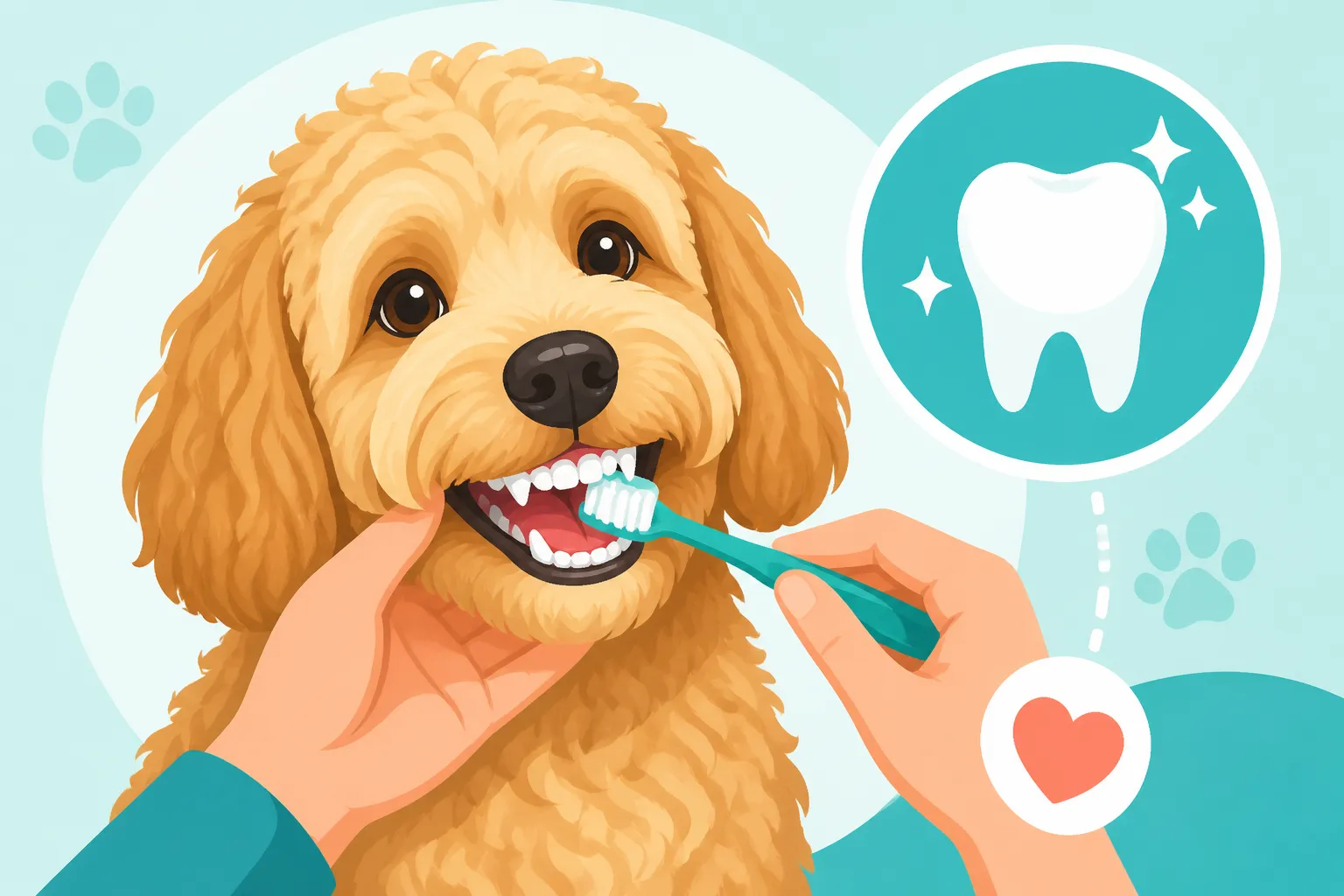
The secret to successful tooth brushing is making it positive from day one. Start slow, with short sessions, and always end on a good note. Begin by simply letting your Labradoodle lick some dog-specific toothpaste off your finger. Praise them lavishly and give a high-value treat. Repeat this a few times over a couple of days. Once they're comfortable with that, introduce the idea of touching their gums and teeth. Gently lift their lip and rub a small amount of toothpaste on their canine teeth with your finger. Again, lots of praise and a treat! The goal here is to create a positive association, so they don't dread the sight of the toothbrush.
Next, introduce the toothbrush itself, or the finger brush. Let them sniff it, lick the toothpaste off it, and then very gently try to brush just one or two teeth for a few seconds. Focus on the outside surfaces first, as that’s where most plaque accumulates. Don't worry about getting every tooth perfectly at first. The aim is to build up tolerance. Keep sessions brief, happy, and always follow with enthusiastic praise, petting, and a delicious treat. If your Labradoodle is particularly food motivated, which many are (sometimes to their detriment, as we discuss in Whether a Labradoodle Is Always Hungry), this will be your greatest asset. Consistency and patience will pay off, turning what could be a battle into a simple, accepted part of their daily routine.
Establishing a Routine and Overcoming Challenges
Even with the best intentions, establishing a consistent dental care routine can be tough. Life gets busy, and it's easy to let it slide. However, for the sake of your Labradoodle's health, this isn't an area you want to compromise on. Building a routine and knowing how to handle common roadblocks will make all the difference.
Consistency is Key: How Often to Brush
Ideally, you should brush your Labradoodle’s teeth daily. This might sound like a big commitment, but daily brushing is the most effective way to remove plaque before it hardens into tartar. Think of it like brushing your own teeth – you wouldn’t go days without doing it, right? If daily isn’t feasible for your schedule, aim for at least every other day. Brushing three to four times a week is still far better than never brushing at all and will make a significant impact on preventing serious dental issues. Consistency helps your Labradoodle get used to the routine and understand what’s expected of them.
To integrate it into your daily life, pick a consistent time, perhaps after their evening meal or before their last potty break, when they are naturally calmer. Just like their regular feeding schedule mentioned in How Much an Adult Labradoodle Eats Daily, predictability helps them settle into the routine. Keep the toothbrush and toothpaste easily accessible. If you forget a session, don't beat yourself up, just pick it up again the next day. The key is sustained effort over time, rather than perfection every single day. A few minutes of brushing a few times a week can prevent years of pain and expensive veterinary bills down the line.
| Dental Care Method | Frequency Recommended | Key Benefits | Potential Drawbacks |
|---|---|---|---|
| Daily Tooth Brushing | Daily | Most effective for plaque removal; prevents tartar build-up; improves breath. | Requires owner commitment and dog cooperation; can be challenging initially. |
| Dental Chews | Daily/Several times a week | Helps scrape plaque, provides mental stimulation; some contain active ingredients. | Effectiveness varies greatly by product; some dogs chew too quickly; can add calories. |
| Water Additives | Daily with fresh water | Reduces bacteria in drinking water, freshens breath. | Less effective than brushing; taste may be unappealing to some dogs. |
| Dental Diets | With every meal | Specially formulated kibble that scrubs teeth as dog chews. | Less effective on existing tartar; requires a specific diet; can be more expensive. |
| Professional Cleaning | Yearly or as advised by vet | Removes all plaque and tartar under anesthesia; addresses hidden issues. | Requires anesthesia; can be costly. |
When Brushing Isn't Enough: Other Dental Care Options
Even with diligent brushing, some Labradoodles may need additional support, and there will always be times when life just gets in the way. Thankfully, there are other tools in our dental care arsenal. Dental chews can be a good supplement to brushing, providing some mechanical abrasion as your dog chews. However, not all dental chews are created equal. Look for products that have the Veterinary Oral Health Council (VOHC) seal of acceptance, which indicates they meet standards for reducing plaque and/or tartar. You can find various VOHC-approved chews on Chewy or at your local pet supply store.
Another option is water additives, which you simply pour into your Labradoodle’s drinking water. These solutions contain ingredients designed to reduce bacteria in the mouth and freshen breath. While they are not a substitute for brushing, they can offer a little extra help. Similarly, specialized dental diets exist, with kibble designed to scrub the teeth as your dog eats. For example, some premium dog food brands, including those found on platforms like Ollie, might offer dental-specific formulas or components in their fresh food lines, though their primary benefit is overall nutrition. Remember, these are supplements to, not replacements for, regular brushing and professional veterinary care.
Ultimately, even with the best home care, your Labradoodle will likely need professional dental cleanings by a veterinarian throughout their life. These cleanings are performed under anesthesia, allowing the vet to thoroughly scale off tartar, polish teeth, and check for any hidden issues below the gumline or loose teeth, like those sometimes seen in Whether a Miniature Labradoodle Has Crowded Teeth. Your vet can advise you on how often these professional cleanings are necessary based on your Labradoodle's individual needs and the effectiveness of your home care routine. Don’t be afraid to ask your vet for a demonstration of proper brushing techniques or recommendations for specific products. Your commitment to their oral health will undoubtedly lead to a healthier, happier Labradoodle who can keep flashing that charming, albeit sometimes slightly goofy, smile for years to come.
Disclaimer
This article is for general informational purposes only and does not constitute professional advice. Laws, prices and regulations vary by location and change over time. Consult a qualified professional for guidance on your specific situation.