What a One Inch Clip Looks Like on a Labradoodle
One of the trickiest parts of owning a Labradoodle is navigating their incredible, ever-growing coat. Many of us dream of a low-maintenance, tidy look, but when it comes to talking to the groomer, the specific terms can get a little lost in translation. If you've ever found yourself wondering what your Labradoodle would look like with a "one-inch clip" – that perfectly balanced length that offers both style and practicality – you're in the right place. This guide is all about demystifying that popular clip, showing you exactly what to expect, and how to maintain it.
Understanding the One-Inch Clip: More Than Just a Number
When you imagine a "one-inch clip" on a Labradoodle, it's easy to picture a specific, uniform look, but the reality can be a little more nuanced depending on your dog's unique coat type and body structure. It's not just a number; it's a statement about balancing aesthetics with practicality.
What "One Inch" Really Means for a Labradoodle's Coat
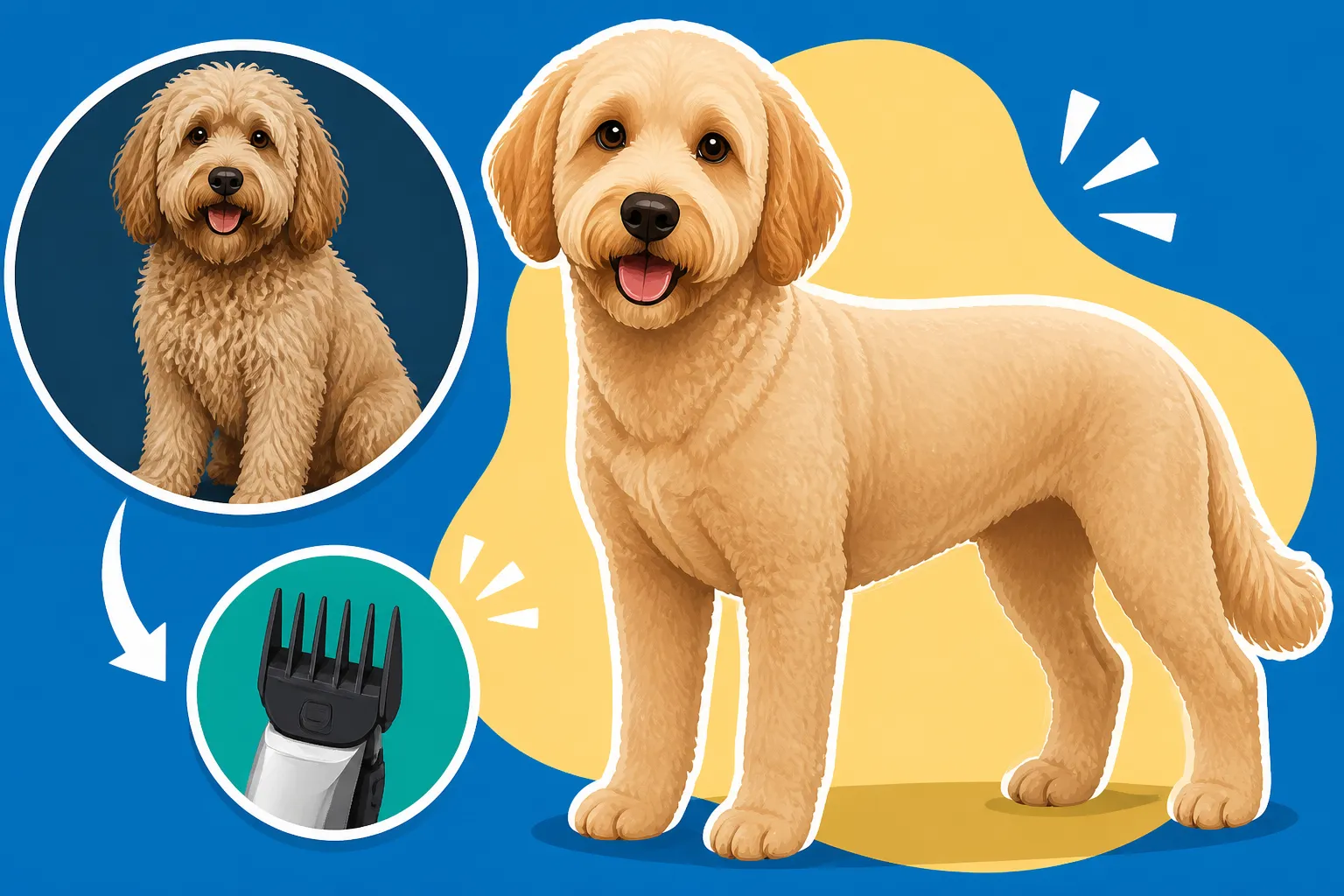
At its core, a one-inch clip refers to the length of hair that is left on your Labradoodle's body after the grooming process. This isn't a measurement of the clipper blade itself, but rather the resulting hair length, often achieved using a specific guard comb attachment over a standard clipper blade. For many groomers, a one-inch clip is a popular request because it takes a significant amount of length off while still leaving enough coat to maintain that characteristic soft, fluffy "doodle" appearance. It's a departure from a full shave, which might leave the coat at a quarter-inch or less, giving a much sleeker, often less desirable look for those who love the Labradoodle's texture. Compared to longer clips of, say, two to three inches, the one-inch length offers a much more uniform and manageable coat that doesn't drag on the ground or pick up every leaf and twig.
The exact visual, however, can vary slightly with the individual texture of your Labradoodle's coat. A dog with a very dense, curly wool coat might appear slightly shorter and more compact with a one-inch clip than a dog with a looser, wavier fleece coat. The fleece coat, often considered the ideal for Labradoodles, will still retain its soft, flowing appearance, just in a more condensed form. For those wondering about coat types, understanding The Fleece Coat and Why Breeders Aim For It can provide excellent context. Regardless of the specific texture, the goal of a one-inch clip is to create a neat, consistent length across the body, giving your dog a well-groomed, yet still natural, look.
The Visual Appeal and Practicality of This Length
The beauty of the one-inch clip lies in its ability to strike a perfect balance. Visually, it maintains the Labradoodle's endearing fluffy aesthetic, preventing them from looking "naked" or too shorn. It showcases their build without completely exposing their skin, allowing their musculature and proportions to still shine through the coat. The overall impression is one of tidiness, robustness, and an undeniable charm. Your Labradoodle will still look unmistakably like a doodle, just one that is ready for action without the burden of excessive hair.
From a practical standpoint, this length is a game-changer for many owners. The reduced length significantly cuts down on the likelihood of mats forming, especially in high-friction areas like behind the ears, armpits, and groin. This means less time spent battling stubborn tangles and more time enjoying your dog. For active Labradoodles who love to run through fields or splash in puddles, a one-inch coat makes post-adventure cleanup a breeze. Dirt and debris are less likely to get embedded deeply, and bath times become much quicker and more efficient. Furthermore, in warmer climates or during summer months, this shorter length provides better airflow to the skin, helping your Labradoodle stay cooler and more comfortable during their outdoor activities, whether it's a brisk walk around the neighborhood or a vigorous game of fetch at the dog park. It's a fantastic option for keeping them comfortable and clean while still celebrating their lovely coat.
Benefits and Drawbacks of the One-Inch Clip
Deciding on a coat length for your Labradoodle is a blend of personal preference, your dog's lifestyle, and practical considerations. The one-inch clip is popular for good reasons, but it also comes with its own set of responsibilities.
Why Many Labradoodle Owners Opt for Shorter Styles
The primary appeal of shorter styles like the one-inch clip is undeniably the ease of maintenance. Labradoodle coats, particularly the wool and dense fleece types, can be incredibly demanding, requiring consistent brushing to prevent mats. With a one-inch clip, the daily battle against tangles becomes a much lighter skirmish, often reducing the need for intensive daily brushing to a few times a week, depending on your dog's activity level. Bathing becomes faster, drying times are drastically cut down, and overall grooming becomes less of a chore. This is especially true during the notorious "coat change" phase, typically around nine months of age, when the puppy coat transitions to the adult coat, making matting an even greater challenge. For more on this, you might find What Happens to a Labradoodle's Coat at Nine Months helpful.
Beyond the reduced grooming effort, shorter coats offer practical benefits that directly impact your Labradoodle's comfort and cleanliness. In warmer weather, a shorter coat prevents overheating, allowing your dog to regulate their body temperature more effectively during exercise or simply lounging in the sun. It also means less dirt, mud, and burrs getting tracked into your home after outdoor adventures. While no dog is truly "hypoallergenic," a shorter, well-maintained coat can sometimes reduce the amount of dander and loose hair in the environment, which some allergic individuals find beneficial. Furthermore, for dogs that are prone to skin issues or hot spots, a shorter coat makes it easier to monitor their skin health, identify problems early, and apply any necessary topical treatments. It's all about making life easier for both you and your beloved companion.
Potential Challenges and Considerations
While the one-inch clip significantly reduces grooming demands, it doesn't eliminate them entirely. It's a common misconception that a short coat requires no brushing. Areas of high friction—like where a collar or harness sits, behind the ears, under the armpits, and around the tail base—can still develop mats if not brushed regularly. Even at one inch, friction and natural shedding can cause the hair to intertwine and form painful knots. Ignoring these spots, even with a shorter coat, can quickly lead to painful skin pulling and necessitate an even shorter, corrective clip down the line. It's important to remember that this length is "easier," not "no work." Neglecting areas like Mats Behind a Labradoodle's Ears can still lead to discomfort and extra grooming costs.
Another consideration is the feel and aesthetic. While the one-inch clip maintains a "doodle-like" appearance, it will feel less soft and luxurious than a longer, flowing coat. If you adore the shaggy, plush feel of a longer Labradoodle coat, you might find the one-inch length a bit too utilitarian. Additionally, very light-colored or thin-coated Labradoodles might require some sun protection on their skin with any shorter clip, though a one-inch length usually provides adequate coverage. A diligent groomer will be careful, but anytime clippers are used closely to the skin, there's a minor risk of clipper burn, especially on sensitive areas or if the dog wiggles excessively. Ultimately, choosing this clip involves understanding that it's a trade-off: more convenience for a slightly different texture and aesthetic. For those curious about how grooming costs vary, exploring resources like What a Full Groom Costs on a Wool Coated Labradoodle might offer additional perspective on the investment of maintaining different coat types.
| Clipper Guard Comb | Approximate Hair Length Left | Common Use & Look | Maintenance Level |
|---|---|---|---|
| #10 (Blade Only) | 1/16 inch (1.5mm) | Very short, often for sanitary trims, pads, or severely matted dogs. Minimal "doodle" look. | Very Low |
| #7F | 1/8 inch (3mm) | Short, neat, good for summer. Minimal fluff. | Low |
| #5F | 1/4 inch (6mm) | A clean, tidy clip, noticeable shorter. | Low |
| #4F | 3/8 inch (9.5mm) | Slightly longer, good for a neat, easy-care look. | Low to Moderate |
| 1-inch Guard Comb | 1 inch (25mm) | Maintains doodle fluff, easy maintenance, balanced. | Moderate |
| 1.5-inch Guard Comb | 1.5 inches (38mm) | Fuller, shaggier look, more brushing required. | Moderate to High |
| 2-inch Guard Comb | 2 inches (50mm) | Longest typical clip, maximizes fluff, high maintenance. | High |
What to Communicate to Your Groomer for a One-Inch Clip
The key to a successful one-inch clip, or any specific style for that matter, is clear, unambiguous communication with your groomer. They are the experts, but they rely on your instructions to achieve your desired outcome for your Labradoodle.
Specifying the Blade Length for the Desired Outcome
When you ask for a "one-inch clip," a professional groomer will typically interpret this as using a one-inch guard comb attachment over their clipper blade. These guard combs lift the hair, allowing the blade to cut only the portion that extends beyond the comb, thus leaving the desired length. It's vital to be specific. Simply saying "short" can be subjective; one person's "short" might be another's "shaved." Be explicit: "I would like a one-inch guard comb used on the body." You can also discuss variations for different parts of the dog. For instance, many owners prefer slightly shorter hair on the face, around the eyes, and on the paws for better hygiene and vision, while keeping the body at a uniform one inch.
Don't hesitate to show pictures of what you envision. A visual aid can bridge any communication gap and ensure you and your groomer are on the same page. If you have a photo of a Labradoodle with a coat length you admire, bring it in! Groomers often appreciate visual references. Discuss your dog's lifestyle too – if they're a frequent swimmer or prone to rolling in mud, the groomer might suggest slight adjustments to make maintenance even easier for you. Remember, a good groomer wants you to be happy with the results and will take the time to clarify your preferences. Products like specific shampoos or conditioners, even high-quality brushes and combs, can all be found on platforms like Chewy or Amazon, which can help you explain the type of coat health and texture you're aiming for with your groomer.
Preparing Your Labradoodle for a Successful Shorter Clip
The best results for any clip, especially a one-inch, come from a well-prepared coat. This means your Labradoodle should arrive at the groomer clean, completely dry, and thoroughly brushed out, free of tangles and mats. Clippers cannot effectively cut through dirty or matted hair; it dulls the blades, causes discomfort for your dog, and results in an uneven finish. Imagine trying to cut a tangled mess with scissors – it's frustrating and yields poor results. The same applies to clippers on a dog's coat. A groomer will likely have to charge extra for dematting or pre-bathing services if your dog arrives unprepared, and in severe cases, extensive matting might force them to clip the coat much shorter than one inch to get underneath the tangles. This is a crucial point, and it's why understanding Whether a Tight Matted Labradoodle Has Any Other Option sometimes means a very short clip is the only humane choice.
Beyond the physical preparation, preparing your Labradoodle mentally is also important, particularly from a young age. Regular positive experiences with brushing, handling their paws, and getting them accustomed to the sounds of clippers (even if it's just an electric toothbrush near their coat) can make grooming a much less stressful experience. Early exposure to grooming tools and the process helps build their tolerance and cooperation. For tips on getting your pup comfortable, consider reading Starting Grooming Handling on a Labradoodle Puppy. A calm, cooperative dog allows the groomer to work more efficiently and safely, leading to a much better and more even one-inch clip that you'll both be happy with.
Maintaining Your Labradoodle's One-Inch Coat at Home
Even with a one-inch clip, your Labradoodle's coat still needs regular attention between professional grooming appointments. Think of it as protecting your investment and keeping your dog comfortable. Home maintenance is key to preventing mats from forming and extending the life of that perfectly sculpted clip.
Essential Tools for Home Maintenance
To effectively maintain your Labradoodle's one-inch coat at home, you don't need a full professional grooming salon setup, but a few key tools are absolutely essential. First on the list is a good quality slicker brush. This brush is designed to get through the coat without pulling too much, gently detangling and removing loose undercoat. Pair this with a sturdy metal comb, which is crucial for checking your work and ensuring no hidden mats are left behind. The comb should be able to glide through the coat from the skin outwards without snagging. If it snags, you've found a tangle that needs to be carefully worked out with the slicker brush. You can find excellent options for both slicker brushes and metal combs on sites like Chewy or Amazon. These online retailers often have a wide selection, allowing you to read reviews and choose tools that suit your budget and your Labradoodle's specific coat density.
Beyond brushing tools, consider a high-quality shampoo and conditioner formulated for dogs, especially those with curly or dense coats. Even with a one-inch clip, regular baths are necessary to keep the coat clean and healthy. Look for products that are moisturizing and free from harsh chemicals. After a bath, a good, powerful dog dryer (a "force dryer") can be incredibly beneficial. While not strictly essential for a one-inch coat, it drastically cuts down drying time and helps straighten the hair, making it easier to brush and preventing dampness that can encourage matting. Regular nail clippers or a dremel, along with ear cleaner and cotton balls, round out your home grooming kit, ensuring you can keep all aspects of your Labradoodle's care in check. Having these tools on hand makes following a consistent maintenance schedule much more manageable.
Regular Brushing and Bathing Routine
Even a one-inch clip isn't "wash and wear" for a Labradoodle. A consistent brushing routine is paramount. Aim for brushing your Labradoodle at least two to three times a week, dedicating focused attention to areas prone to matting. Even with shorter hair, the ears, armpits, inner thighs, and the base of the tail are still prime real estate for mats to form. It's crucial to practice "line brushing," where you systematically brush small sections of the coat from the skin outwards, rather than just skimming the top layer. This ensures you're truly getting through any developing tangles. For a more detailed guide on this technique, check out The Line Brushing a Labradoodle Coat Needs. A full body brush-out with a slicker and comb might only take 15-20 minutes with a one-inch coat, which is a far cry from the hour-plus required for longer styles.
Bathing frequency will depend on your Labradoodle's lifestyle. If they love to roll in mud or swim frequently, more regular baths will be necessary. For most, a bath every 3-4 weeks is sufficient, perhaps more if they have allergies or skin sensitivities. When you do bathe them, ensure you use dog-specific shampoo and conditioner, working it thoroughly into the coat and rinsing completely. The drying process is just as important as the washing. Always ensure your Labradoodle is completely dry, right down to the skin, to prevent skin irritation and matting. Damp hair can quickly lead to fungal growth or hot spots, even in a shorter coat. Learn more about proper drying techniques in Drying a Labradoodle to the Skin After a Bath. Beyond grooming, remember that a healthy coat often starts from the inside out. Providing your Labradoodle with high-quality nutrition, perhaps from brands like Ollie, can contribute to skin health and coat luster, making your grooming efforts even more effective. A well-fed, well-groomed Labradoodle with a tidy one-inch clip is a happy, comfortable companion! For more guidance on general brushing frequency, refer to How Many Times a Week a Labradoodle Needs Brushing.
Disclaimer
This article is for general informational purposes only and does not constitute professional advice. Laws, prices and regulations vary by location and change over time. Consult a qualified professional for guidance on your specific situation.