Whether a Labradoodle’s Color Fades With Age
It's a familiar sight for many Labradoodle owners: you look at your beloved furry companion one day and notice that their once vibrant chocolate, fiery red, or deep black coat seems a little… softer, a shade lighter, or perhaps even sporting a few unexpected silver threads. This phenomenon, often leading to questions like "Is my dog getting old?" or "Am I doing something wrong?", is a common concern. This guide will delve into the fascinating world of Labradoodle coat genetics and environmental factors to explain why your Labradoodle's color might be changing with age and what you can expect.
The Natural Evolution of a Labradoodle's Coat Color
Just like human hair can gray or lighten over time, a Labradoodle's coat is a dynamic thing, constantly influenced by genetics, environment, and the natural process of aging. It’s not uncommon for a puppy's initial coat color to be quite different from its adult shade, and even that adult shade isn't set in stone.
Understanding Labradoodle Genetics and Pigmentation
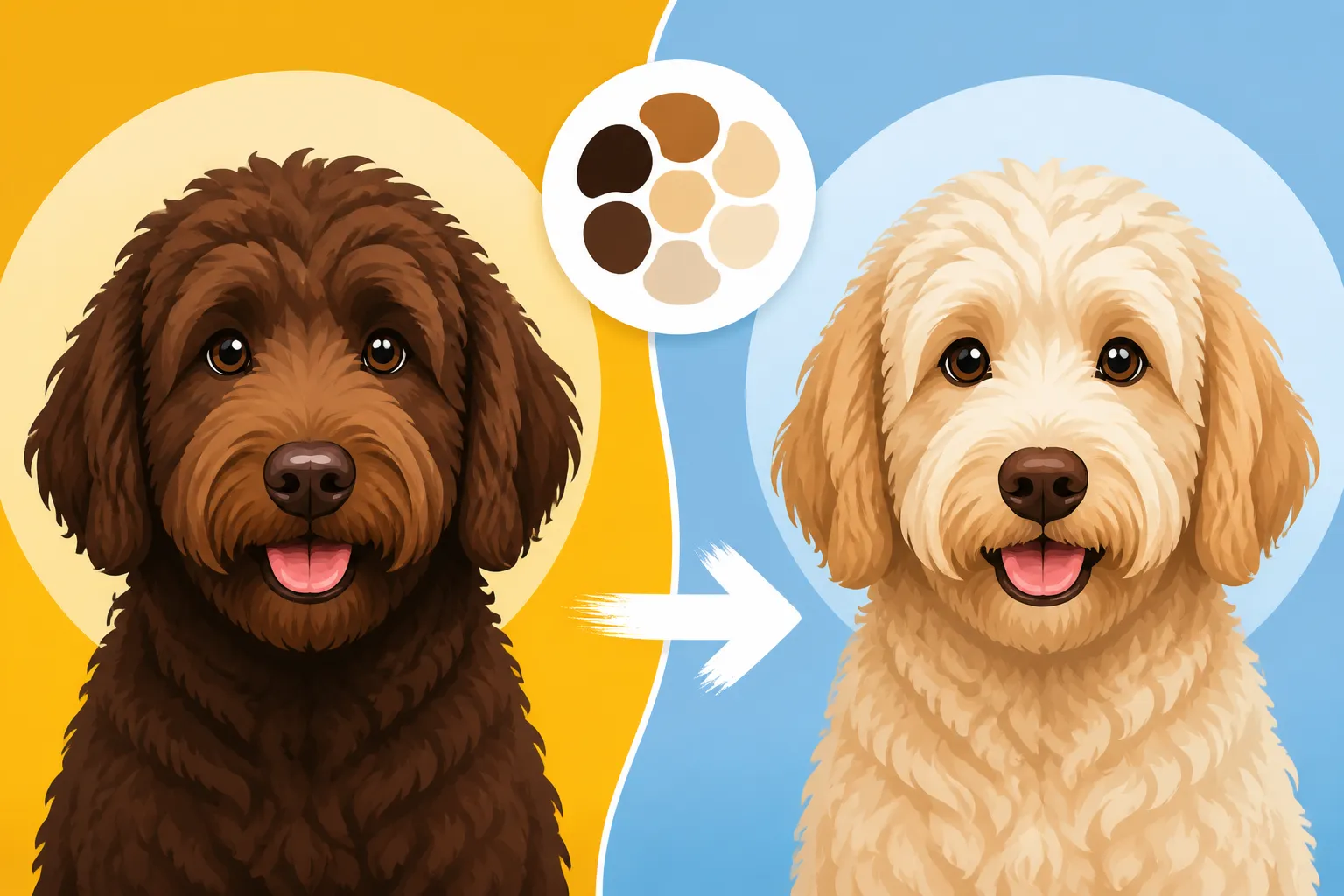
The color of your Labradoodle's coat is determined by a complex interplay of genes inherited from both their Labrador Retriever and Poodle parents. There isn't just one "color" gene; instead, a whole palette of genetic markers dictates everything from the base color (black, brown, red, yellow) to modifiers that can dilute these colors or introduce patterns. For instance, the fading gene, often carried by Poodles, can cause a rich chocolate puppy to "silver out" into a café au lait or a deep black to become blue or silver. This isn't a fault; it's just part of their unique genetic makeup.
Many Labradoodles carry genes that cause their coat color to lighten or "clear" over time. This is especially true for colors like red, apricot, and cream, which are often genetically predisposed to fade significantly as the dog matures. Even a deep, rich chocolate can soften to a lighter brown or café color, and black coats can develop a steely blue or silver hue. It's truly a genetic lottery, and sometimes, you don't fully see the adult color until your Labradoodle is well past their first birthday. Understanding these genetic underpinnings can help manage expectations and appreciate the beautiful transitions your dog's coat goes through. This inherited trait means that even with perfect care, some fading is simply part of their genetic destiny.
The Puppy Coat vs. Adult Coat Transition
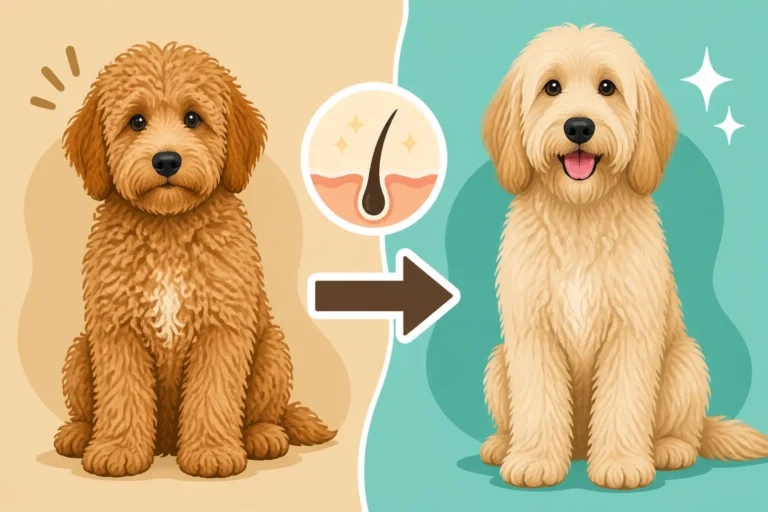
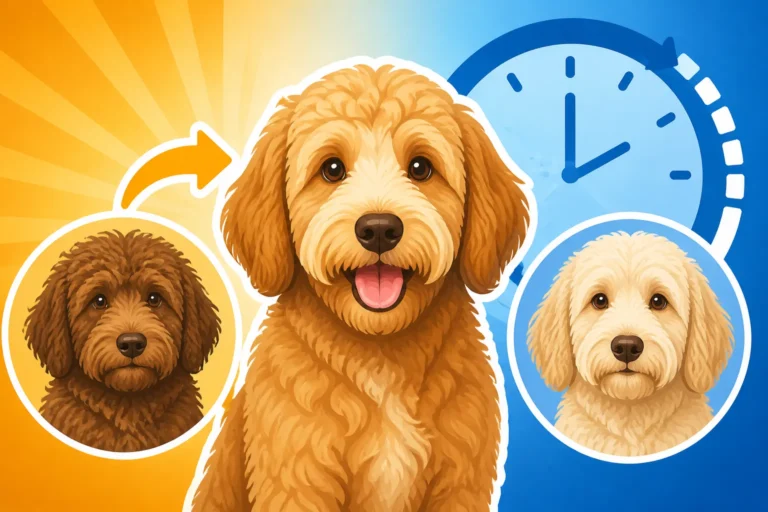
One of the most dramatic coat transformations a Labradoodle undergoes happens early in life, around the nine-month mark, often referred to as the "coat change." During this period, their soft, often sparse puppy coat gives way to a denser, sometimes curlier, adult coat. It's during this transition that many owners first notice a shift in color. A dark chocolate puppy might start showing lighter roots, or a vibrant red might soften to apricot. This isn't just about length or texture; it's a fundamental change in the pigment production within the hair follicles.
The puppy coat is typically much finer and less dense than the adult coat, and it often holds a deeper, more saturated color. As the coarser, thicker adult hairs emerge, they can bring with them a different shade, sometimes lighter, sometimes with different undertones. This period can also be a challenge for grooming, as the old puppy fur gets trapped beneath the new adult coat, leading to mats. The Coat Change That Hits a Labradoodle at Nine Months is a detailed look at navigating this tricky phase. It's a rite of passage for Labradoodles and their owners, and the color shift is just one part of this exciting, albeit sometimes messy, evolution. Don't be surprised if the dog you brought home as a tiny, uniformly colored fluffball morphs into a multi-tonal, beautifully shaded adult.
Common Fading Patterns in Labradoodle Colors
While nearly any Labradoodle color can experience some degree of fading, certain colors are more prone to it and display distinct patterns. Reds and apricots, for example, are notorious for fading. A stunning ruby red puppy might become a creamy apricot or even a pale gold by the time they are two or three years old. Blacks often transform into a deep charcoal, blue, or even silver, especially on the muzzle and paws. Chocolates can lighten to café au lait or parchment. Even a solid cream or white Labradoodle can develop subtle yellowing or darkening in certain areas due to environmental factors.
It's a unique characteristic that adds to the Labradoodle's charm, but it can be surprising for new owners expecting their dog to retain its puppy color indefinitely. The fading often starts subtly, perhaps around the muzzle or tips of the ears, before spreading throughout the body. It’s a process influenced by those Poodle genetics, which carry genes for "clearing" or "silvering" as the dog ages. Understanding these common patterns can help you appreciate the natural beauty of your Labradoodle's evolving coat rather than worrying about it. For instance, many owners observe that Whether a Chocolate Labradoodle Fades to Silver is a very real possibility, leading to a gorgeous, multi-dimensional hue.
Factors That Accelerate or Influence Fading
While genetics play a huge role, external factors and overall health can also significantly impact how quickly or dramatically your Labradoodle's coat color changes. It's not just about what's programmed into their DNA; it's also about their lifestyle and care.
Sun Exposure and its Effect on Pigment
Just like our hair can get natural highlights from spending time outdoors, your Labradoodle's coat can lighten with prolonged exposure to the sun. UV rays can break down the melanin pigments in their hair follicles, leading to a bleached or faded appearance. This is particularly noticeable in darker coats, where a black coat might take on a reddish-brown tint, or a rich chocolate might become sun-kissed and lighter. Dogs who spend a lot of time outside playing, swimming, or just lounging in the yard are more susceptible to this natural bleaching effect.
While a little sun is good for everyone, excessive exposure can not only fade the coat but also dry it out, making it more prone to breakage and matting. If your Labradoodle loves the outdoors, consider providing shaded areas for them to rest, especially during peak sun hours. Regular grooming and conditioning can also help protect the coat from drying out. Think of it like a beautiful piece of fabric; constant sun exposure will eventually lighten its vibrant dye. This is often an aspect that new owners don't consider when they ask What Changes in a Labradoodle's Coat After Ten, assuming it's only about grey hairs.
Nutritional Deficiencies and Coat Health
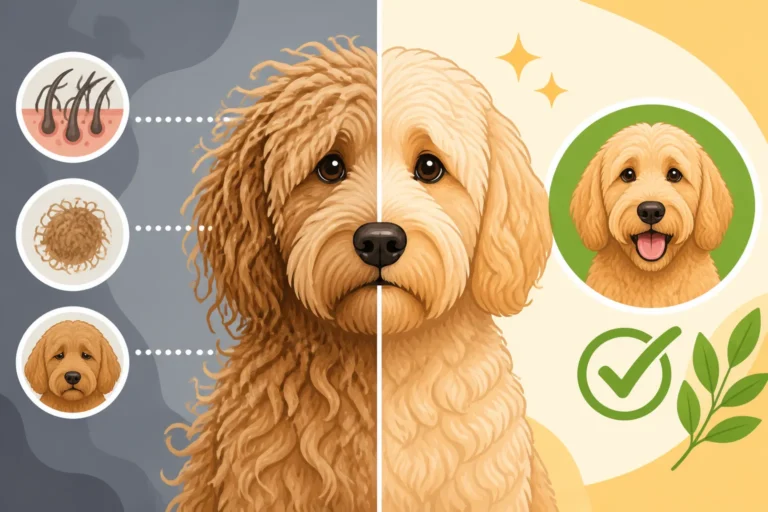
A healthy, vibrant coat is often a reflection of a dog's internal health and nutrition. If your Labradoodle isn't getting adequate nutrients, particularly certain vitamins, minerals, and fatty acids, their coat can suffer, appearing dull, brittle, and even prone to premature fading. Proteins are crucial for hair growth and pigment production, and essential fatty acids like Omega-3 and Omega-6 play a vital role in maintaining coat shine and health. A diet lacking in these can lead to a less vibrant coat that may appear faded or lackluster.
High-quality dog food, rich in easily digestible proteins, healthy fats, and a full spectrum of vitamins and minerals, is paramount. Many owners find that supplementing with fish oil or a specialized skin and coat supplement can make a noticeable difference in coat quality and help maintain color. Brands like Ollie, known for their fresh, human-grade ingredients, or high-quality kibble available on Chewy, often provide excellent nutritional foundations. Always talk to your vet if you suspect a nutritional deficiency, as they can recommend specific dietary adjustments or supplements. After all, a healthy body makes for a healthy, beautiful coat.
Hormonal Changes and Age-Related Graying
As Labradoodles enter their senior years, typically around eight to ten years old, hormonal changes within their bodies can lead to the classic signs of aging, including graying around the muzzle, eyes, and sometimes even the paws. This isn't exactly "fading" in the sense of a color lightening, but rather the appearance of white or gray hairs as pigment production slows or stops in individual hair follicles. Just like with people, this process is inevitable and varies greatly from dog to dog. Some Labradoodles might show a distinguished gray muzzle quite early, while others retain their youthful color well into their teens.
Beyond general aging, certain medical conditions or hormonal imbalances can sometimes manifest in coat changes, including thinning or patchy hair loss and subtle color shifts. Thyroid issues, for example, can impact coat health and appearance. While most age-related graying is completely normal and charming, any sudden or widespread coat changes, especially if accompanied by other symptoms like lethargy, skin irritation, or changes in appetite, should always warrant a visit to your veterinarian. They can rule out underlying health concerns and ensure your beloved companion is aging gracefully and comfortably. This is part of the broader question of What a Labradoodle Owner Should Watch For After Eight, as many age-related changes can affect their appearance.
Managing and Maintaining Your Labradoodle's Coat Color
While you can't defy genetics or stop the march of time, there are definitely steps you can take to support your Labradoodle's coat health and vibrancy, potentially mitigating some environmental fading and keeping their coat looking its best for as long as possible.
Dietary Considerations for Coat Vibrancy
Feeding your Labradoodle a high-quality, balanced diet is the cornerstone of a healthy, vibrant coat. Look for dog foods where a named meat source is the first ingredient, indicating a good protein content essential for hair production. Ensure the food contains essential fatty acids (Omega-3 and Omega-6), which are vital for skin health and a shiny coat. Many premium kibbles, like those found on Chewy, formulate their recipes with these ingredients in mind. Some owners opt for fresh food diets from companies like Ollie, believing the minimally processed ingredients offer superior nutrient absorption and coat benefits.
If your dog's coat seems dull or prone to fading, consider adding a supplement. Fish oil, rich in Omega-3s, is a popular choice and widely available on Amazon or Chewy. It can dramatically improve coat shine and overall skin health. Antioxidants, found in fruits and vegetables (which can be part of a balanced diet or given as safe, healthy treats), can also help protect cells, including those responsible for pigment, from environmental damage. Always consult your vet before adding any new supplements to your dog's diet, especially if they have existing health conditions. A good diet is an investment in your dog's long-term health, and a beautiful coat is just one of the many benefits.
Grooming Practices to Protect the Coat
Regular and proper grooming is crucial not just for preventing mats, but also for maintaining coat health and protecting its color. Frequent brushing helps distribute natural oils, keeps the coat clean, and stimulates blood flow to the skin, which supports healthy hair growth. For Labradoodles, especially those with The Wool Coat Labradoodle and Its Upkeep, brushing two to three times a week is often necessary to prevent tangles and mats that can damage the coat and hide underlying skin issues.
When bathing, use a high-quality shampoo and conditioner specifically designed for dogs, avoiding harsh chemicals that can strip natural oils or dry out the coat. Shampoos That Suit a Labradoodle's Coat will provide good options. If your Labradoodle spends a lot of time in the sun, consider shampoos with UV protectants (formulated for pets!) or use conditioning sprays that offer some barrier. After swimming, especially in chlorinated pools or saltwater, always rinse your Labradoodle thoroughly with fresh water to prevent drying and damage to the coat. Towel drying and then using a dog-specific force dryer can help ensure the coat is completely dry, preventing skin issues and keeping the hair shaft healthy.
When to Consult Your Vet About Coat Changes
While some degree of coat fading or graying is a normal part of aging for Labradoodles, there are times when changes in coat color or quality warrant a visit to your veterinarian. If you notice sudden, dramatic, or uneven fading, especially if accompanied by hair loss, skin irritation, excessive itching, or a change in coat texture, it could be a sign of an underlying health issue. Hormonal imbalances, such as thyroid problems, or nutritional deficiencies can all manifest in noticeable coat changes.
Similarly, if your Labradoodle's coat becomes unusually dry, brittle, or greasy, or if you observe any new lumps, bumps, or sores on the skin beneath the coat, these are reasons to seek professional advice. Your vet can perform diagnostic tests to rule out medical conditions and recommend appropriate treatment or dietary adjustments. They can also advise on specific supplements or grooming products that might benefit your individual dog. While a little fading is part of their charm, keeping an eye on overall coat health is an important part of responsible pet ownership.
| Labradoodle Coat Color | Typical Fading Tendencies | Common Age of Noticeable Fading | Key Care Considerations |
|---|---|---|---|
| Black | Can become charcoal, blue, or silver, especially on muzzle/paws. Often develops reddish tint with sun exposure. | Starts subtly around 1-2 years; more prominent by 3-5 years. Graying on muzzle from 7+ years. | Sun protection (shade), high-quality diet, Omega-3 supplements. |
| Chocolate | Lightens to café au lait, parchment, or a paler brown. Can develop reddish undertones. | Noticeable between 1-3 years. Continues gradually. | Good nutrition, avoid harsh shampoos, regular conditioning. |
| Red/Apricot | Most prone to fading, often becoming cream, gold, or very pale apricot. | Can begin as early as 6-12 months; significant by 1-2 years. | Limit prolonged direct sun, use color-safe dog shampoos, dietary antioxidants. |
| Cream/Gold | Generally stable, but can yellow slightly with age or environmental factors (e.g., tear stains, sun). | Minor changes, usually subtle yellowing from 2+ years. | Regular grooming, face cleaning, mild shampoos. |
| Parchment/Lavender | Designed to lighten from chocolate/silver, so this is the faded version. May stabilize or continue subtle softening. | Often apparent by 1-2 years, then stabilizes. | Maintain good coat health; some unique shades may still shift subtly. |
| Silver/Blue | These colors are essentially faded black. May continue to lighten to a very pale silver or platinum. | Puppy coat is darker; adult color develops by 1-2 years, then stabilizes. | Routine grooming, monitor for skin issues common with diluted colors. |
Ultimately, whether your Labradoodle's beautiful coat undergoes a dramatic color shift or simply mellows with age, embracing these changes is part of the journey. Their evolving hues tell a story, a testament to their unique genetics and the life they share with you. Focus on providing excellent care, from nutrition to grooming, and you'll ensure their coat remains as healthy and beautiful as possible, no matter what shade it becomes.
Disclaimer
This article is for general informational purposes only and does not constitute professional advice. Laws, prices and regulations vary by location and change over time. Consult a qualified professional for guidance on your specific situation.