The Yearly Screening a Labradoodle Should Get
Annual veterinary physical exams for Labradoodles include nose-to-tail assessments, weight checks, and joint evaluations to detect health issues early.
Know what to watch for.
Breed-specific conditions, screening and DNA tests, what surgery actually costs, and the daily habits that stretch a healthy lifespan.
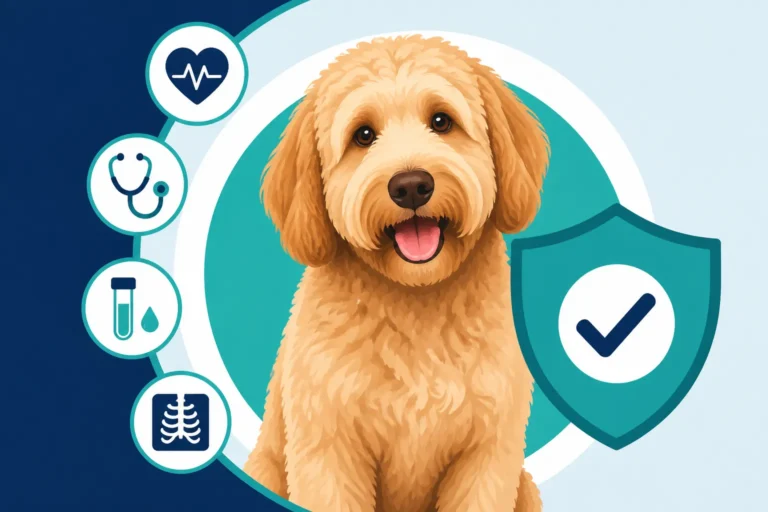
Annual veterinary physical exams for Labradoodles include nose-to-tail assessments, weight checks, and joint evaluations to detect health issues early.
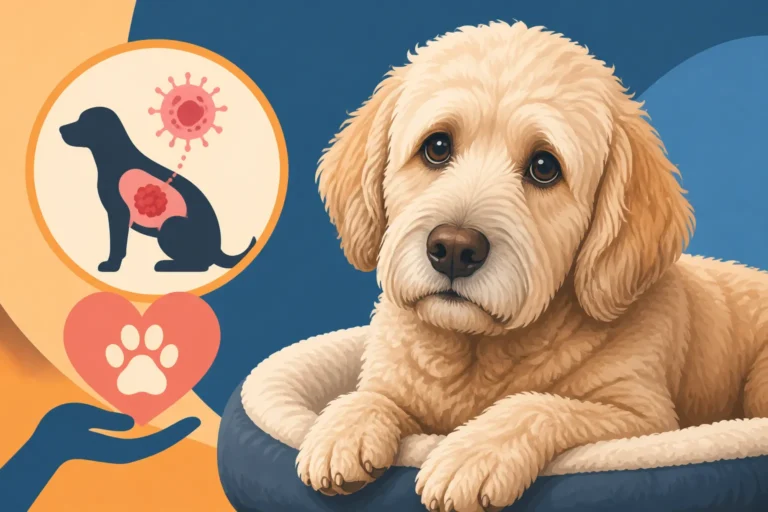
Cancer in older Labradoodles explains genetic predispositions, aging immune systems, and recognizing subtle symptoms of disease.
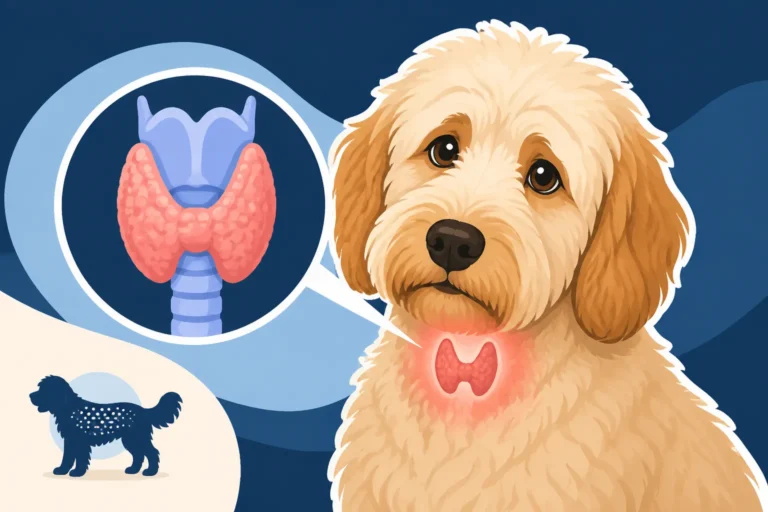
Hypothyroidism in Labradoodles causes weight gain and dull coats due to an underactive thyroid gland producing hormones.
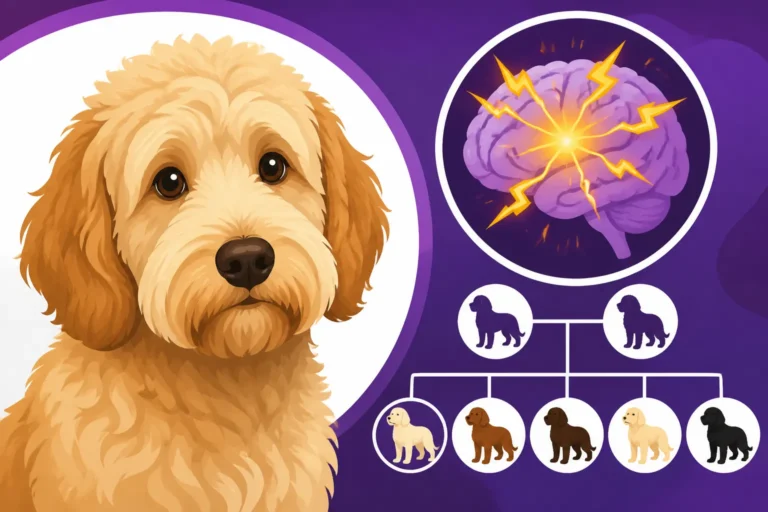
Canine epilepsy in Labradoodles explained, covering genetic risks from Labrador and Poodle lines and recognizing seizure signs.
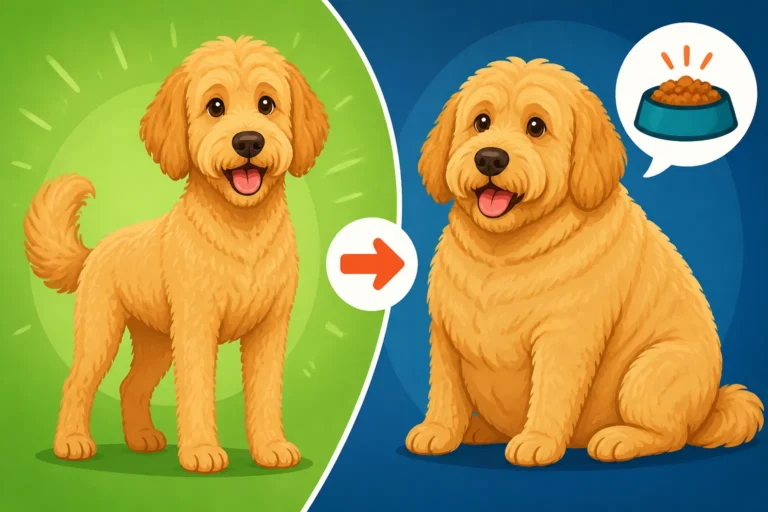
Labradoodle weight gain often goes unnoticed because dense fur hides extra pounds until grooming reveals physical changes.
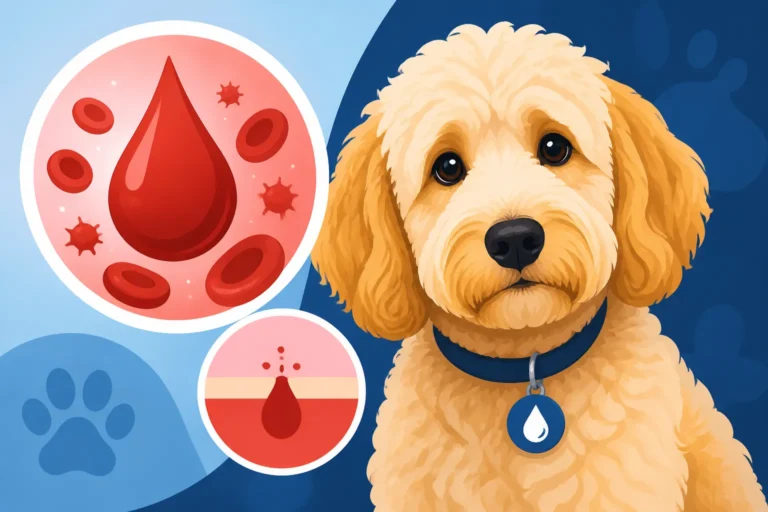
Von Willebrand factor deficiency in Labradoodles causes inherited bleeding disorders through three distinct genetic types.
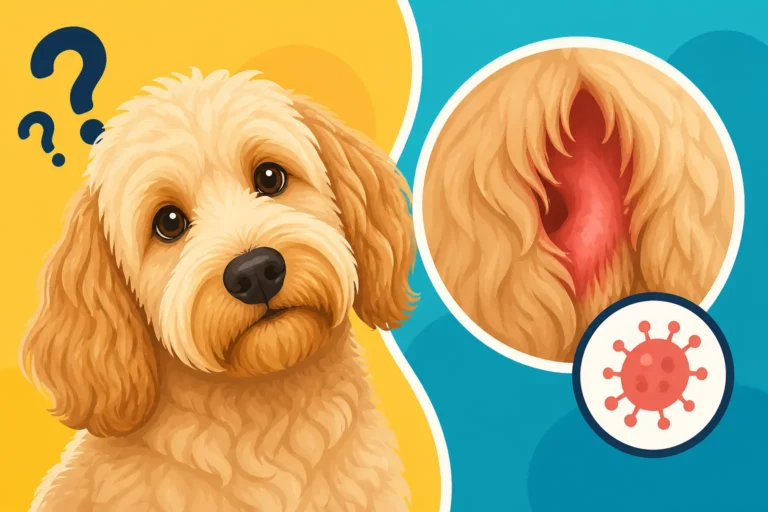
Labradoodle ear hair traps moisture and debris in the canal, creating conditions where bacterial and yeast infections thrive.
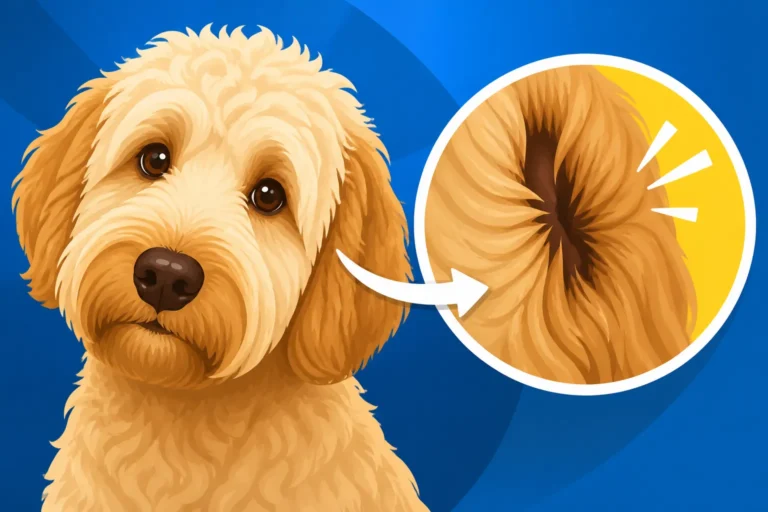
Dense ear hair and drop ears in Labradoodles trap moisture and debris, causing recurrent ear infections and blocking natural drainage.
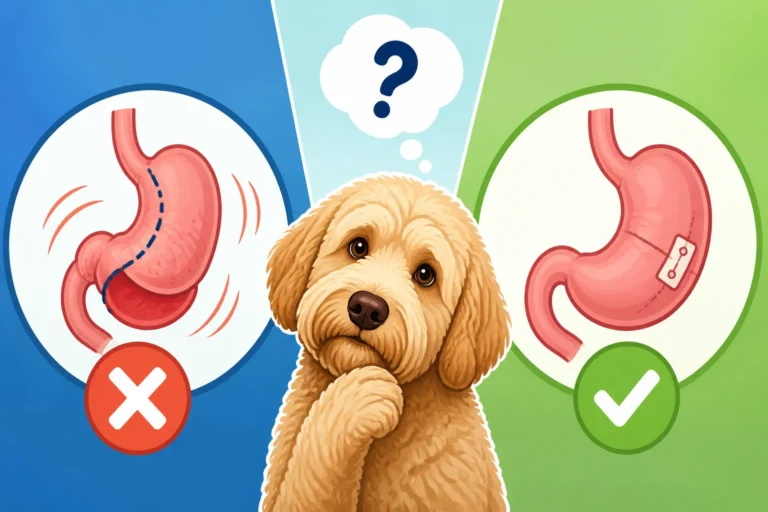
Preventive gastropexy permanently tacks the stomach to the abdominal wall to stop dangerous twisting and reduce GDV risk.
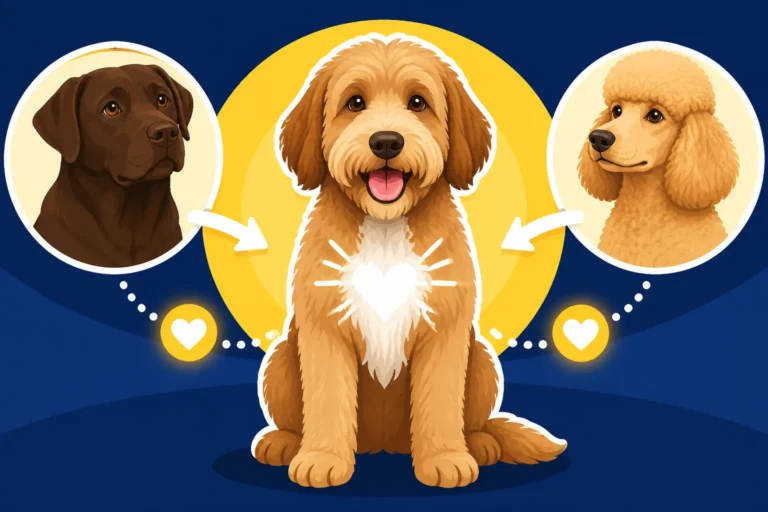
The deep chest inherited from the Poodle places Labradoodles at significant risk for bloat and twisted stomachs that require immediate care.