Whether a Labradoodle Is Pushy With Strange Dogs
It's a common scenario for Labradoodle owners: you're out for a walk, enjoying the fresh air, when suddenly another dog appears, and your beloved Labradoodle transforms into an overzealous, four-legged torpedo, determined to make friends whether the other dog wants to or not. This guide dives deep into why Labradoodles can sometimes be perceived as "pushy" with strange dogs and, more importantly, provides actionable strategies to help your energetic companion learn more polite canine social skills.
Understanding "Pushy" Behavior in Labradoodles
When we talk about a dog being "pushy," it's usually not about aggression in the traditional sense. It's more about an intense, often relentless, desire to interact that can overwhelm other dogs. This isn't always malicious; it often stems from an abundance of enthusiasm and a slight misunderstanding of subtle canine body language. For many Labradoodle owners, this behavior can be frustrating and even embarrassing, leading to awkward encounters at the dog park or on neighborhood strolls.
What "Pushy" Actually Looks Like
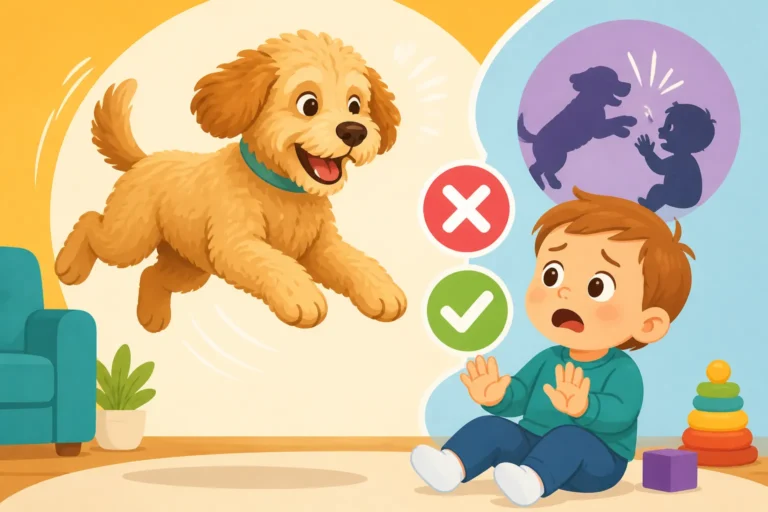
"Pushy" in a Labradoodle can manifest in several ways, often making other dogs uncomfortable. You might see your Labradoodle charging straight towards another dog, sometimes head-on, rather than approaching in a polite arc. They might jump on the other dog, repeatedly try to initiate play with vigorous pawing or barking, or stick their nose in the other dog's face despite clear signals of disinterest, like a stiff body, averted gaze, or even a growl from the other dog.
Another common "pushy" behavior is body slamming or bumping, especially in larger Labradoodles. They might use their entire body to try and get a reaction, essentially forcing the other dog into an interaction. This can be particularly problematic for smaller or more timid dogs, who may feel intimidated or even physically knocked off balance. It's not about malice; it's often a lack of finesse and an overwhelming desire to engage, even if the engagement isn't reciprocated.
The key here is a lack of sensitivity to the other dog's cues. A polite dog approaches cautiously, reads the room, and backs off if the other dog isn't interested. A pushy Labradoodle, however, might barrel ahead, oblivious to or simply ignoring the other dog's subtle (or not-so-subtle) hints that they'd rather be left alone. This can create tension, stress for both dogs, and definitely for you, the owner.
The Roots of the Behavior: Poodle and Labrador Influences
To understand why some Labradoodles might be pushy, it helps to look at their parent breeds: the Labrador Retriever and the Poodle. Both breeds contribute unique traits that, when combined, can sometimes lead to this boisterous approach to social interaction. It's a blend of enthusiasm and intelligence, and sometimes, a little too much of both.
From the Labrador side, Labradoodles often inherit a deep-seated desire to please and an unwavering friendliness. Labradors are known for their outgoing nature and their love for people and other animals. This can translate into an eager, sometimes over-the-top, approach to making new friends. They often view every new encounter as an opportunity for play and connection, and they can be incredibly persistent in their attempts to engage. This inherent optimism and boundless energy can make them oblivious to the social nuances other dogs might prefer. What a Labradoodle Owes to Its Labrador Side delves into these characteristics further.
The Poodle lineage brings intelligence, athleticism, and a strong problem-solving drive. While Poodles can be incredibly elegant and reserved, they are also highly capable working dogs with a keen mind. When a Poodle's intelligence is paired with a Labrador's enthusiasm, you can get a dog that is not only eager to interact but also smart enough to figure out how to insist on interaction, even if it means trying every trick in the book. They can be relentless in their pursuit of fun, and if they've learned that persistence pays off, they will keep trying. Which Labradoodle Traits Come From the Poodle offers more insight into their intelligent traits.
Common Reasons for Developing Pushy Habits
It's rare for a Labradoodle to be born "pushy"; it's a behavior that typically develops or is inadvertently reinforced over time due to a combination of factors. Understanding these underlying causes is the first step in addressing and re-directing the behavior towards more appropriate interactions.
The Critical Role of Early Socialization
One of the most significant factors contributing to pushy behavior is insufficient or poor-quality early socialization. When a puppy doesn't get enough diverse, positive experiences with a variety of well-mannered dogs during their critical developmental period (roughly 3-16 weeks), they can miss out on learning crucial canine social cues. They don't learn how to "read" other dogs' body language or how to offer polite greetings.
Instead of learning subtle invitations to play or respectful disengagement, they might default to a more overt, "in-your-face" style of interaction. Perhaps they've only played with puppies who are equally clumsy and forgiving, or they haven't been exposed to older, wiser dogs who would gently correct their rude manners. This gap in their social education means they simply don't have the tools to be polite. Raising a Labradoodle Through Its First Year provides a broader look at developmental stages and training opportunities.
Furthermore, bad socialization can be just as detrimental as no socialization. If a Labradoodle puppy has had negative experiences with other dogs, or if they've only been allowed to have uncontrolled, chaotic interactions, they might become anxious or frustrated, leading to an even more desperate and "pushy" approach in an attempt to control the interaction or get it over with. It's about building a solid foundation of positive, structured social interactions early on.
Owner Habits: Reinforcing or Ignoring
As owners, we sometimes unknowingly contribute to our Labradoodle's pushy tendencies. It's easy to dismiss an overly enthusiastic greeting as "just being friendly," but consistently allowing pushy behavior can reinforce it. If your Labradoodle repeatedly jumps on other dogs, or barks incessantly to demand play, and you don't intervene, they learn that this behavior gets them what they want – attention or an interaction, however brief or unwilling from the other dog.
Another common mistake is not providing enough guidance in social settings. Imagine your Labradoodle dragging you across the park on the leash to greet another dog. If you let them pull you there, you're teaching them that charging is an effective way to get what they desire. Similarly, if you're not actively managing interactions, letting your Labradoodle pester a dog who is clearly trying to get away, you're missing an opportunity to teach them to respect boundaries.
Inconsistency also plays a huge role. If sometimes you allow boisterous greetings and other times you try to correct them, your Labradoodle will be confused. Dogs thrive on consistency. Clear, consistent expectations and interventions are key to shaping appropriate social behavior. This includes advocating for your dog by removing them from situations where they are being rude, or where another dog is being rude to them, to prevent negative reinforcement or experiences.
The Energy Equation: Unleashed Enthusiasm
Labradoodles are energetic dogs, and if that energy isn't properly channeled, it often manifests in undesirable behaviors, including being pushy with other dogs. A bored, under-exercised Labradoodle has a lot of pent-up energy, and they'll look for any outlet they can find. Other dogs often become the unwitting targets of this unleashed enthusiasm.
Think of it this way: if your Labradoodle hasn't had adequate physical exercise or mental stimulation, they might approach other dogs with a desperate need to burn off steam, regardless of the other dog's interest. Their play invitations might be too intense, too long, or simply ignore the other dog's signals to stop. They're not being mean; they're just trying to fulfill their inherent need for activity and engagement. The Exercise a Labradoodle Needs Before It Behaves explores the importance of consistent activity.
This isn't just about physical activity, either. Labradoodles are intelligent dogs, and they need mental challenges too. Puzzle toys, training sessions, and scent work can help tire out their minds. If they're not getting this kind of stimulation, they might try to "work" on other dogs by constantly engaging them, which can quickly turn into pushy behavior. Providing appropriate outlets for their energy is a proactive way to prevent them from seeking less desirable ones.
Practical Strategies for a Polite Pooch
The good news is that pushy behavior isn't a permanent fixture. With consistent training, patient guidance, and a good understanding of canine communication, you can help your Labradoodle develop more polite and respectful social skills. It takes effort, but the reward is a dog that can enjoy safe, positive interactions with other canines.
Mastering Leash Etiquette and Public Manners
One of the foundational steps in addressing pushy behavior is mastering leash etiquette. A loose leash walk where your Labradoodle doesn't pull, lunge, or charge towards other dogs gives you the control you need to manage interactions. Start by teaching a solid "heel" or a relaxed loose-leash walk in low-distraction environments, gradually increasing the difficulty. Consider using tools like a front-clip harness, which can help redirect pulling, but remember to monitor for potential matting issues with a Labradoodle's coat Whether a Front Clip Harness Mats a Labradoodle.
When you see another dog, use your leash and body language to create space and redirect your Labradoodle's attention. Teach a reliable "look at me" command to get their focus back on you, rewarding them heavily for choosing to look at you instead of fixating on the other dog. The "leave it" command is also invaluable for teaching them to ignore distractions and passing dogs until you give permission.
Practice polite greetings in controlled environments. Instead of letting your Labradoodle rush up to every dog, ask for a calm "sit" or "stand" as the other dog approaches. If both dogs seem relaxed and open to a greeting, allow a brief, sniff-and-move-on interaction, keeping leashes loose. If your Labradoodle starts to get pushy, calmly interrupt the interaction and move away. It’s better to have several short, positive, controlled interactions than one long, chaotic one. Teaching a Labradoodle to Greet With Four Feet Down offers more tips on polite greetings.
Structured Play and Engagement
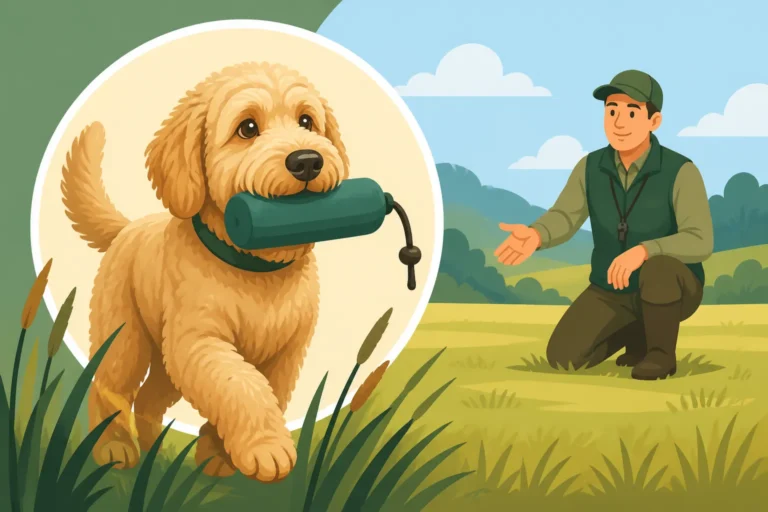
Not all play is good play, especially when it comes to a pushy Labradoodle. Structured play sessions, both with you and with other well-matched dogs, are crucial. When playing with your Labradoodle, teach them boundaries and impulse control. Games like "fetch" or "tug" with clear "take it" and "drop it" commands can be excellent ways to burn energy while reinforcing good manners.
When introducing your Labradoodle to other dogs for play, choose dogs that are known to be tolerant, well-socialized, and not easily overwhelmed. Supervise all interactions closely. If your Labradoodle starts to get too pushy, redirect them. This might mean calling them away for a short time-out, or engaging them in a brief game of fetch with you to break their focus on the other dog.
Enroll in training classes, perhaps an online course like those offered by BAXTER & Bella, which provide structured guidance on canine social etiquette and can help you understand subtle body language. These programs can offer step-by-step instructions for managing greetings, building impulse control, and fostering appropriate play. They often have exercises specifically designed to teach your dog to be calmer and more attentive to you, even around distractions.
Enrichment at Home: Tiring Out That Brain
A mentally stimulated Labradoodle is often a less pushy Labradoodle. Their intelligence, while sometimes contributing to their persistence, can also be a powerful tool for good behavior if properly channeled. Incorporate daily mental enrichment activities into their routine to help drain that intellectual energy.
Puzzle toys, snuffle mats, and feeder balls are fantastic for this. You can find a wide variety of these products on platforms like Amazon. Instead of just putting food in a bowl, make your Labradoodle "work" for their meals by using these interactive feeders. This engages their problem-solving skills and satisfies their natural foraging instincts, leaving them less inclined to seek out intense, pushy interactions with other dogs.
Beyond food puzzles, engage in regular training sessions, even short 5-10 minute bursts a few times a day. Teach them new tricks, practice obedience commands in different environments, or even explore dog sports like nose work or agility. These activities provide mental challenges and a sense of purpose, helping to create a well-rounded and more manageable companion. Whether a Labradoodle Needs a Job to Settle emphasizes the importance of mental engagement.
When to Call in the Pros
While many cases of pushy behavior can be managed with consistent training and owner dedication, there are times when professional intervention is necessary. Recognizing these tipping points is crucial for your Labradoodle's well-being and the safety of other dogs.
Distinguishing Pushiness from Problem Behavior
It's important to understand the line between an overly enthusiastic Labradoodle and one exhibiting genuinely problematic behaviors. "Pushy" typically implies a lack of manners or impulse control, but still stems from a desire to interact, even if rudely. However, if your Labradoodle's behavior escalates to aggression, intense fear, or consistent resource guarding (of toys, space, or even you), it's no longer just pushy; it's a serious behavioral concern.
Signs of escalating issues include consistent growling, snapping, lunging with intent to harm, showing teeth, or actually biting. If your Labradoodle is actively trying to avoid other dogs with extreme fear (cowering, shaking, trying to flee), or displaying stress signals that suggest discomfort or anxiety rather than just excitement, these are also red flags. Similarly, if grooming sessions become highly stressful or aggressive because of underlying anxiety Whether Grooming Stress Shows as Aggression in a Labradoodle, it indicates a deeper issue. These behaviors require a different approach than simply teaching polite greetings.
If you observe these more severe signs, or if your efforts to manage the pushy behavior are consistently unsuccessful and you feel overwhelmed or frustrated, it's definitely time to seek professional help. Don't wait for a serious incident to occur. Early intervention can prevent minor issues from becoming major problems.
Choosing the Right Professional Partner
When you decide to seek professional help, it’s vital to find a qualified and reputable trainer or behaviorist. Look for professionals who use positive reinforcement, force-free methods. Avoid anyone who suggests aversive techniques, harsh corrections, or claims to "dominate" your dog. These methods can damage your relationship with your Labradoodle and often exacerbate underlying issues, making a fearful dog more fearful, or an anxious dog more anxious.
Seek out certified professional dog trainers (CPDT-KA, KPA-CTP) or, for more complex behavioral issues, a certified applied animal behaviorist (CAAB) or a veterinary behaviorist (DACVB). These professionals have extensive education and experience in canine behavior. They can help you understand the root cause of your Labradoodle's behavior, develop a tailored training plan, and teach you the skills to implement it effectively. Whether a Labradoodle Needs a Trainer or a Class offers more guidance on finding the right help.
A good professional will assess your Labradoodle's individual temperament, your household dynamics, and your specific goals. They will observe your dog's interactions, ask detailed questions about their history, and work with you to create realistic strategies. Remember, you are your dog's advocate and their most important teacher, and a good professional will empower you to be just that.
Here's a quick reference table outlining the difference between pushy and polite dog interactions:
| Behavior Type | Pushy Interaction | Polite Interaction |
|---|---|---|
| Approach | Charging straight in, ignoring space, no arc, often head-on. | Approaching in an arc, sniffing the ground, pausing to assess. |
| Engagement | Jumping, pawing, body slamming, persistent barking, nose-poking, relentless invitations to play despite disinterest. | Offering gentle play bows, soft eyes, taking turns, respecting "no" signals, allowing space. |
| Body Language | Stiff body, forward lean, direct stare, tense mouth, high tail wag (but not loose), potentially ignoring other dog's signals. | Loose, wiggly body, averted gaze, relaxed mouth, low/loose tail wag, checking in with owner, responding to other dog's signals (e.g., backing off). |
| Owner Action | Allowing dog to drag them, not intervening when behavior is inappropriate, inconsistent management, or no management. | Maintaining control, calmly redirecting, intervening early, advocating for their dog, rewarding calm behavior, providing space. |
| Other Dog's Reaction | May stiffen, growl, snap, try to retreat, hide behind owner, avoid eye contact, or engage in a tense, forced interaction. | May reciprocate play bow, engage in loose play, mirror body language, or politely disengage if not interested. |
Disclaimer
This article is for general informational purposes only and does not constitute professional advice. Laws, prices and regulations vary by location and change over time. Consult a qualified professional for guidance on your specific situation.