Trusting a Labradoodle Off the Leash
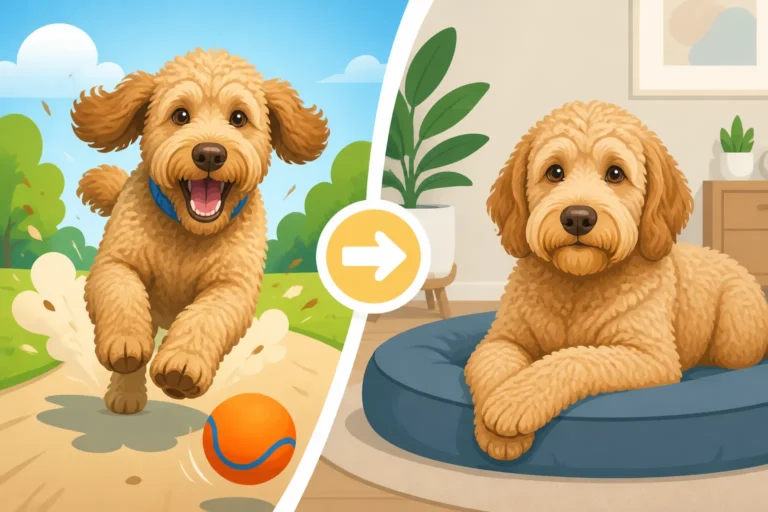
The dream of a Labradoodle trotting happily beside you, off-leash in a sprawling park or along a quiet trail, is one many owners hold dear. But the reality can often be a terrifying dash after a suddenly deaf dog, heart pounding as they chase a squirrel towards a busy road. This guide is all about helping you build the unwavering trust and rock-solid recall necessary to safely and confidently grant your Labradoodle the freedom of off-leash adventures.
Understanding the Labradoodle's Off-Leash Instincts
Before you can truly trust your Labradoodle off-leash, it's vital to understand the blend of instincts at play within them. They are a marvelous mix of two intelligent, often high-energy breeds, and these traits can work both for and against you when it comes to off-leash reliability.
The Lure of the Labrador's Nose and the Poodle's Intelligence
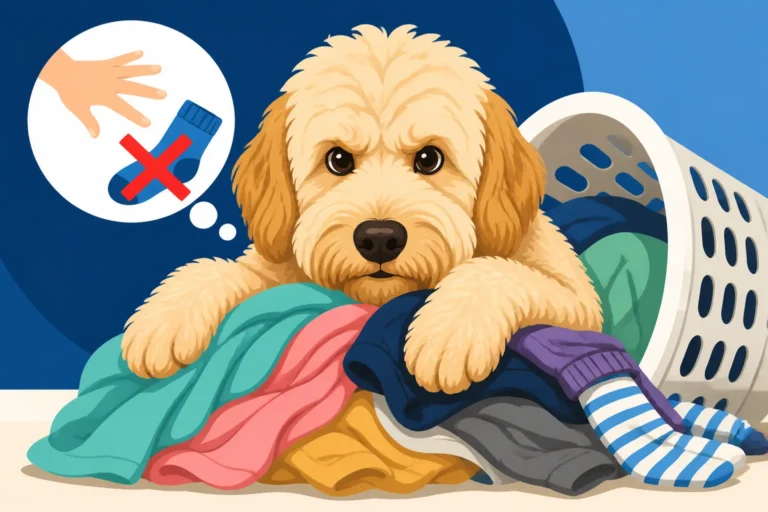
Labradors were bred for retrieving, which means they often have a strong desire to explore with their noses and chase anything that moves. That fluttering butterfly, the distant scent of another dog, or a rabbit darting into the undergrowth can trigger an almost irresistible instinct to pursue. Combine this with the Poodle's incredible intelligence, which, while fantastic for learning, also means they can quickly learn how to ignore you if something more interesting comes along. It's not maliciousness; it's simply a strong drive to engage with the world in a way that feels rewarding to them.
Many Labradoodle owners find themselves in a constant battle with their dog's nose. You might have the best-behaved dog on the planet indoors, but the moment you step outside, their focus shifts dramatically. This is a common frustration, and it's essential to approach it with empathy and a strategic training plan rather than just hoping they'll grow out of it. Their brains are wired to notice and investigate, and that's a powerful force to contend with. You'll need to work on making yourself more exciting than those irresistible outdoor stimuli.
The Impact of Adolescence on Off-Leash Behavior
Just like human teenagers, adolescent Labradoodles can hit a phase where they seem to forget every ounce of training you've painstakingly instilled. Around ten months of age, and sometimes lasting well into their second year, their hormones are surging, their brains are remodeling, and their desire for independence often skyrockets. This can manifest as selective hearing when you call them, a sudden bolt after a distraction they previously ignored, or testing boundaries with a new level of confidence (or stubbornness).
During this period, consistency is paramount, but so is patience. What worked perfectly at six months might suddenly fall apart. It’s crucial not to take it personally or get frustrated, as that can erode the trust you're trying to build. Instead, scale back your expectations, revisit the basics in less distracting environments, and lean heavily on long lines to keep them safe while reinforcing good habits. Remember, this phase doesn't last forever, but navigating it correctly can set the stage for reliable off-leash behavior in adulthood. The Ten Month Old Labradoodle That Forgets Everything delves deeper into managing this challenging stage.
Laying the Groundwork for a Reliable Recall
A trustworthy off-leash Labradoodle starts with a recall that is not just understood, but enthusiastically obeyed, no matter the distraction. This isn't something that happens overnight; it's built brick by brick with consistency and positive reinforcement.
Making "Come!" the Best Thing Ever
Your recall cue, whether it's "come," "here," or a whistle, needs to be the absolute best sound in your Labradoodle's world. This means associating it exclusively with amazing things: high-value treats (think cooked chicken, cheese, or hot dogs, not just kibble), enthusiastic praise, and fun games. Never use your recall cue for something unpleasant, like ending playtime, giving a bath they dislike, or leaving the dog park. If you do, you'll teach them that "come" leads to something they don't want, and they'll naturally avoid it.
Start this training in a low-distraction environment, like your living room or a fenced yard. Call their name, then your recall cue, and when they turn towards you or take a step, immediately reward them lavishly. Practice this dozens of times a day in short, fun sessions. Make it a game! Run away from them as you call, or hide and call. The goal is for them to feel like rushing to you is the most exciting and rewarding activity imaginable. Building a Recall a Labradoodle Answers Off Leash offers more practical steps for this foundational training.
Using Long Lines for Safe Practice
A long line is your best friend when you're transitioning from the backyard to more open spaces. This isn't just about safety; it's a vital training tool that allows you to practice recall in controlled environments without risking your Labradoodle bolting. A twenty-foot or even thirty-foot line, easily found on Amazon, gives them a sense of freedom while still allowing you to gently guide them back if they get distracted or ignore your call.
When using a long line, let it trail behind them in a safe, open area, free of obstacles they could get tangled in. Allow them to explore, and then, at random intervals, call them back. If they respond, reward enthusiastically. If they hesitate or get distracted, gently reel them in while repeating your cue in a cheerful voice, then reward them when they reach you. The key is to never use the long line to punish them or drag them back harshly, as this will poison the recall cue. It’s a safety net and a guidance tool, not a leash for punishment.
Gradually Introducing Distractions and New Environments
Once your Labradoodle's recall is strong in a familiar, low-distraction setting, it's time to slowly increase the challenge. This is where many owners get impatient, but rushing this step is a recipe for disaster.
Controlled Exposure to Real-World Scenarios
Think of it like building a staircase. Each step is a slightly higher level of distraction. Start by introducing mild distractions in your familiar, fenced area: a friend walking by, a toy being tossed in the distance, or another calm dog. Always keep your Labradoodle on a long line during these exercises. As they succeed, gradually increase the intensity of the distractions and change locations. A quiet local park, then a slightly busier one, eventually working up to areas with more people, dogs, and wildlife.
It's crucial to set your Labradoodle up for success. If you know a particular spot is teeming with squirrels or other dogs, don't attempt off-leash practice there until your recall is absolutely bulletproof in less challenging environments. Always have a plan B, which often means keeping them on the long line longer than you think you might need to. Remember, a single failed recall in a highly distracting environment can undo weeks of training.
The Role of High-Value Rewards and Environmental Management
When you're out in the real world, the treats you use for recall need to be incredibly motivating. That dry kibble might work in your living room, but against the smell of a deer or the excitement of another dog, it's unlikely to win. Bring out the big guns: liverwurst, cheese, or bits of cooked meat. You want your Labradoodle to think, "Oh wow, what incredible thing is waiting for me if I go back to my human?"
Beyond treats, sometimes the best strategy is environmental management. If you're in an area where your Labradoodle consistently struggles with recall, it's okay to keep them on a leash or a long line. It's better to prevent a failed recall than to try and fix one after the fact. Long Line Work for a Labradoodle That Bolts After Birds is an excellent resource for managing specific distractions. Online training programs, like those offered by BAXTER & Bella, can also provide structured lessons and support for working through distractions systematically.
Practical Strategies for Off-Leash Safety
Even with the best training, no dog is 100% reliable, and safety should always be your top priority. Equipping yourself with the right tools and knowledge can make all the difference.
Essential Gear for Off-Leash Adventures
When you're taking your Labradoodle off-leash, consider these essential items:
| Item | Purpose | Why it's important for Labradoodles |
|---|---|---|
| High-Value Treats | Reinforce recall, reward attention, overcome distractions. | Labradoodles are food-motivated; regular kibble often isn't enough outside. |
| Long Line | Practice recall safely in distracting environments; provide a safety net. | Offers control without restricting movement, crucial for building confidence. |
| Whistle | A consistent, clear, and far-reaching recall cue that isn't tied to your emotional state. | Great for distance and consistent tone, especially if your voice gets emotional. |
| GPS Tracker | Locate your dog if they do get lost or run off despite training. | Peace of mind, vital in open spaces or if they get separated from you. |
| Bright Collar/Vest | Increase visibility, especially in wooded areas or near roads, and identify them as a pet. | Helps other people (and you) spot your dog quickly, especially in low light. |
Many of these items, like various styles of long lines and GPS trackers, can be easily found on Amazon, providing a convenient way to equip yourself for safe adventures. Remember, equipment is a supplement to training, not a replacement for it.
What to Do if Your Labradoodle Bolts
It's every owner's worst nightmare: your Labradoodle sees something irresistible and takes off. Your first instinct might be to scream and chase, but often, that's the worst thing you can do. For many dogs, being chased turns it into a game, or makes them fearful, causing them to run even faster.
Instead, try these strategies:
- Run the other way: Often, the novelty of you running from them is enough to break their focus on the distraction and encourage them to chase you.
- Make exciting noises: Clap your hands, sing loudly, or make high-pitched, playful sounds to capture their attention and make yourself seem more interesting than the distraction.
- Drop to the ground: Lying down can sometimes pique their curiosity enough to make them approach you.
- Offer a "jackpot" treat: If you have exceptionally high-value treats on hand, shake the bag or hold one up visibly to entice them back.
- Stay calm: Your panic can transmit to your dog. If you retrieve them, resist the urge to scold. Instead, praise them for coming back, even if it took a while, and then immediately put them back on the long line or leash.
- Prevention is key: Understand what triggers your Labradoodle to bolt. Is it a particular scent? Other dogs? Certain types of animals? Use a long line in those environments until their recall is absolutely consistent. If your dog carries the gene for Exercise Induced Collapse, off-leash running, especially in exciting scenarios, needs careful management, as detailed in What Triggers a Labradoodle's Collapse Episode.
Trusting your Labradoodle off the leash is a journey, not a destination. It requires consistent training, patience, understanding their individual quirks, and a commitment to safety. With dedication, you can foster a bond and a recall that allows for wonderful, free-spirited adventures together.
Disclaimer
This article is for general informational purposes only and does not constitute professional advice. Laws, prices and regulations vary by location and change over time. Consult a qualified professional for guidance on your specific situation.