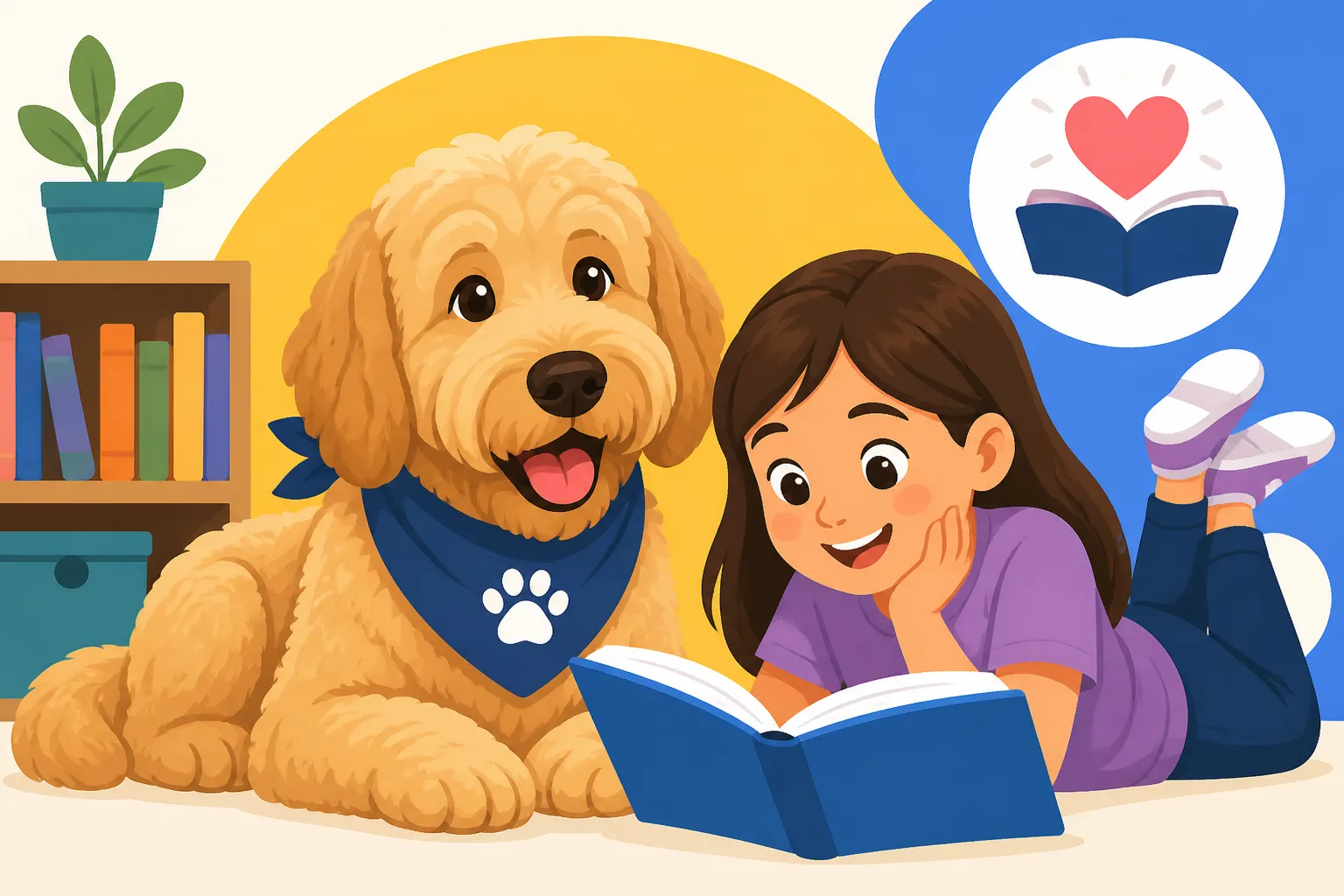
Reading Programs That Use Labradoodles
It's a beautiful thing to see a child's eyes light up, not just with the joy of a good story, but with the added comfort of a furry, four-legged friend by their side. Many parents struggle with children who are reluctant readers, or perhaps those who feel a little shy or self-conscious about reading aloud. It's a common hurdle, and it can be disheartening for everyone involved. This guide is all about exploring how Labradoodles are making a real difference in "Reading to the Dogs" programs, helping children overcome these challenges and fostering a genuine love for literacy in a unique, non-judgmental environment.
The Magic Behind Labradoodles in Reading Programs
There's something incredibly special about a Labradoodle that makes them perfectly suited for roles where they interact with people, especially children. It's not just their adorable looks; it's a combination of their innate qualities that truly shine in a setting like a reading program.
Temperament: Calmness and Patience
One of the most critical factors for any animal working with children is their temperament. Labradoodles, when well-bred and properly socialized, are renowned for their calm and patient dispositions. They often inherit the gentle, eager-to-please nature of the Labrador Retriever combined with the intelligence and steady demeanor of the Poodle. This means they're usually not easily flustered by sudden movements, loud noises, or even the occasional clumsy hug from an excited child. Imagine a child, perhaps struggling with a difficult word, slowly sounding it out. A Labradoodle sitting quietly beside them, head resting gently on a paw, offers a silent, unwavering presence. There's no judgment in those soft eyes, just calm acceptance. This non-reactive nature is paramount for creating a truly safe and relaxing space for a child to practice their reading skills without fear of embarrassment. They provide an anchor of quiet stability that allows the child to focus solely on the words on the page, rather than on their performance.
The Hypoallergenic Coat Advantage
Let's be real: allergies are a major concern for many families. One of the initial reasons the Labradoodle was even conceived was the desire for a guide dog that wouldn't trigger allergic reactions. While no dog is truly 100% hypoallergenic, many Labradoodles, particularly those with fleece or wool coats, shed significantly less and produce less dander than other breeds. This "hypoallergenic" quality (which we delve into more deeply in Whether a Labradoodle Is Truly Hypoallergenic) is a huge boon for reading programs held in public spaces like libraries or schools. It means that more children can participate without worrying about sneezing, itching, or developing asthma symptoms. This inclusivity is vital. If a child with mild allergies is excluded from participating because of a shedding dog, they miss out on a wonderful opportunity. Labradoodles help bridge that gap, making these programs accessible to a wider range of young readers, allowing them to engage with the program without physical discomfort becoming a barrier. This thoughtful consideration for allergic individuals is a massive advantage in community-based activities.
Trainability and Adaptability
Both parent breeds of the Labradoodle – the Labrador and the Poodle – are known for their intelligence and eagerness to learn. This makes Labradoodles highly trainable. From basic obedience commands like "sit," "stay," and "down," to more advanced skills like "leave it" or walking calmly on a leash in a busy environment, they often pick things up quickly. This trainability is crucial for therapy work. A dog participating in a reading program needs to be impeccably behaved in various public settings, whether it's a bustling school library or a quiet corner of a community center. They must be able to settle quickly and remain calm for extended periods, ignoring distractions like other children, tempting smells, or dropped toys. Their adaptability means they can adjust to different children, different reading styles, and different environments, often without missing a beat. This capacity for learning and adapting is why many people find them ideal candidates for therapy work, including reading programs, a journey we explore further in Whether an Owner Can Train Their Own Service Labradoodle.
What a Labradoodle's Role Looks Like in a Reading Session
It’s not just about having a dog in the room; it’s about how the Labradoodle actively contributes to the unique atmosphere of a reading session. Their presence transforms a potentially intimidating situation into a comforting, engaging experience.
Creating a Non-Judgmental Space
Imagine being a child who struggles with reading. Every time you open a book, you might feel pressure, fear of making a mistake, or anxiety about being judged by an adult or peer. This pressure can be paralyzing, making the act of reading feel like a chore rather than a joy. This is where the Labradoodle shines. When a child sits down next to a calm, furry friend and begins to read aloud, they are met with absolutely no judgment. The dog doesn't correct their pronunciation, point out missed words, or show any impatience. The Labradoodle simply listens, offering a soft presence and perhaps a gentle nudge or sigh of contentment. This creates a sanctuary where the child feels completely safe to stumble, repeat, or read at their own pace without fear of criticism. This unconditional acceptance helps children relax, lower their inhibitions, and ultimately focus on the story itself. It's a powerful psychological tool, and the dogs master it effortlessly. The simple act of Teaching a Labradoodle to Settle Under a Restaurant Table can be adapted to teaching them to settle calmly in a library, reinforcing this non-judgmental presence.
Encouraging Confidence and Fluency
When that pressure is lifted, something incredible happens: confidence blossoms. Children who were once too shy to read in front of anyone often find their voice when reading to a Labradoodle. They might start softly, but as the session progresses, their voice gains strength. They might even begin to use different tones for characters, expressing themselves more freely. The dog becomes a trusting confidante, a silent cheerleader that makes reading an enjoyable, low-stress activity. Over time, this increased confidence translates into improved fluency. As they practice without fear, their word recognition improves, their pace becomes more natural, and their comprehension deepens. It's a ripple effect: comfort leads to confidence, which leads to consistent practice, and eventually, to real progress in their reading abilities. The Labradoodle isn't just listening; it's facilitating a profound shift in the child's self-perception as a reader.
The Dog's Comfort and Well-being
It's absolutely paramount that while the Labradoodle is supporting the children, their own well-being is equally prioritized. These dogs are working animals, and their comfort and safety are non-negotiable. Before a session, they should have had adequate exercise and a potty break. During the program, handlers are always present to monitor the dog's body language, ensuring they aren't stressed, overwhelmed, or overly tired. Signs like excessive yawning, lip licking, or turning away might indicate the dog needs a break. Good programs also ensure that dogs have a comfortable mat or bed to lie on, and access to water. The sessions themselves are often structured to be relatively short, perhaps 15-20 minutes per child, with breaks in between. A Labradoodle's natural calm demeanor (a reflection of The Temperament a Labradoodle Gets From Each Parent) helps them enjoy these sessions, but it's the handler's responsibility to keep them happy and engaged without overworking them. After all, a happy, relaxed dog is the best kind of therapy dog.
Getting Your Own Labradoodle Ready for a Reading Program
If you've been inspired by the idea of your own Labradoodle bringing joy and literacy to children, there's a clear path to follow. It requires dedication, consistent training, and understanding the requirements of therapy dog work.
Essential Training and Socialization
Before your Labradoodle can even dream of joining a reading program, they need a solid foundation of obedience and socialization. This isn't just about basic commands; it's about making sure your dog is comfortable, confident, and well-mannered in a variety of public settings. Puppy classes are an excellent starting point, followed by advanced obedience. Programs like BAXTER & Bella offer fantastic online resources for foundational training, allowing you to work at your own pace from home, ensuring your Labradoodle is building those crucial skills. Your dog needs to reliably respond to commands like "sit," "stay," "down," "come," and "leave it," even with distractions. They should walk calmly on a leash, not jump on people, and be comfortable being gently petted by strangers, including children. Think about scenarios like Whether a Labradoodle Tolerates Handling by Strangers or Whether a Labradoodle Copes With Wheelchairs and Walkers – these are real-world situations they will encounter. Consistent, positive reinforcement training is key to building these behaviors and ensuring your dog is a polite and pleasant therapy candidate.
Finding the Right Program for You
Once your Labradoodle has a strong training foundation, it's time to research local therapy animal organizations. Many non-profits specialize in certifying therapy dogs for various roles, including hospital visits, nursing home therapy, and, of course, reading programs. These organizations often have specific requirements for dog temperament, handler experience, and ongoing training. Start by looking for local libraries, schools, or community centers that already host "Reading to the Dogs" or similar programs. They can often point you toward the therapy groups they partner with. It's important to find a program that aligns with your and your dog's comfort levels and schedule. Some programs might be once a week, others monthly. Some might focus on younger children, while others work with older students. Each program will have its own unique vibe, so finding the right fit is essential for a rewarding experience for both you and your Labradoodle.
Certification and Preparation Resources
Becoming a certified therapy dog team involves a structured evaluation process. This evaluation typically assesses your dog's temperament, obedience, and ability to handle various stimuli, reflecting the demands mentioned in What a Therapy Labradoodle Is Tested On. They'll look for things like a calm reaction to loud noises, polite greetings, and the ability to stay focused despite distractions. Your handler skills are also assessed. You'll need to demonstrate that you can effectively manage and advocate for your dog in different situations. Beyond the certification, there are many resources available to help you prepare. Books on therapy dog work, online courses, and local workshops can provide invaluable insights. You might consider purchasing specialized gear like a comfortable therapy dog vest, a soft mat for your dog to lie on, and even a selection of children's books to practice with at home, all readily available from retailers like Amazon. Remember, while many Labradoodles have the potential, the certification process is a rigorous one designed to ensure the safety and positive experience of everyone involved. It's a serious commitment, but the rewards are immeasurable.
The Profound Benefits for Both Children and Canines
The symbiotic relationship formed in a reading program offers significant advantages that extend far beyond simply encouraging a child to read. It fosters emotional growth and enriches the lives of our canine companions too.
Boosting Literacy and Communication Skills
For children struggling with reading, the unique dynamic with a Labradoodle can be transformative. The non-judgmental presence helps them relax, leading to improved fluency and comprehension. They aren't worried about mispronouncing a word or reading too slowly, so they can focus on the story. This consistent, stress-free practice builds their foundational literacy skills, making them more confident in the classroom and beyond. But it's not just about reading; it's also about communication. Many children, especially those who are shy or have communication challenges, find it easier to open up and talk to a dog. They might explain a picture, describe what they're reading, or even confide in their furry listener. This verbal interaction, even if one-sided, helps develop their expressive language skills. It creates a bridge for communication that might be harder to build with human peers or adults, fostering a sense of connection and understanding.
Emotional Support and Stress Reduction
Beyond academics, the emotional benefits of interacting with a therapy Labradoodle are immense. The simple act of petting a dog has been shown to reduce stress, lower blood pressure, and release endorphins, creating a sense of calm and well-being. For children who might be dealing with anxieties, social difficulties, or even trauma, the presence of a gentle Labradoodle offers profound emotional support. The dog acts as a comforting presence, helping to alleviate feelings of loneliness or isolation. Children learn empathy and responsibility through these interactions, as they are encouraged to be gentle and respectful towards the dog. A child struggling with social integration might find their first confident interaction when sharing a story with a dog, slowly developing the courage to engage more with their human peers. This emotional grounding, courtesy of our furry friends, makes the learning environment more conducive to growth and healing. You can see similar principles at play in broader therapy contexts, as explored in Whether a Labradoodle Settles in a Hospital Corridor.
Enriching Your Labradoodle's Life
While the focus is often on the benefits for children, it's crucial to remember that participating in a reading program can be incredibly enriching for your Labradoodle as well. These dogs thrive on purpose and interaction. Therapy work provides mental stimulation, social engagement, and positive reinforcement. They get to meet new people, experience different environments, and receive plenty of gentle attention and praise. For a highly intelligent and eager-to-please breed like the Labradoodle, having a "job" to do, even one as gentle as listening to stories, fulfills their natural instincts for connection and contribution. It deepens the bond between dog and handler, as they work together as a team. This kind of consistent, positive engagement contributes significantly to a dog's overall happiness and quality of life. Regular grooming and proper care, including sessions like Building a Labradoodle Up to a Long Grooming Session, also ensure they are always comfortable and ready for their important work.
Characteristics of a Great Reading Program Labradoodle
Here's a quick look at the core traits that make a Labradoodle truly shine in these heartwarming literacy programs:
| Trait | Why it's Important for Reading Programs | How Labradoodles Excel |
|---|---|---|
| Calm Temperament | Helps children feel at ease and focus on reading. | Inherit patience from Labrador, calm demeanor from Poodle. |
| Gentle Nature | Ensures safe interactions, especially with young kids. | Known for being affectionate and tolerant. |
| Predictable Behavior | Builds trust and allows for consistent sessions. | Generally respond well to training and routines. |
| Low Allergen Coat | Minimizes allergic reactions, making programs inclusive. | Their fleece/wool coats often produce less dander. |
| Trainability | Essential for manners, commands, and public access. | Both parent breeds are highly intelligent and eager to please. |
These qualities aren't just nice-to-haves; they are essential for creating a safe, effective, and truly beneficial experience for every child and dog involved in these wonderful programs.
Disclaimer
This article is for general informational purposes only and does not constitute professional advice. Laws, prices and regulations vary by location and change over time. Consult a qualified professional for guidance on your specific situation.