Whether a Labradoodle Visits Schools Well
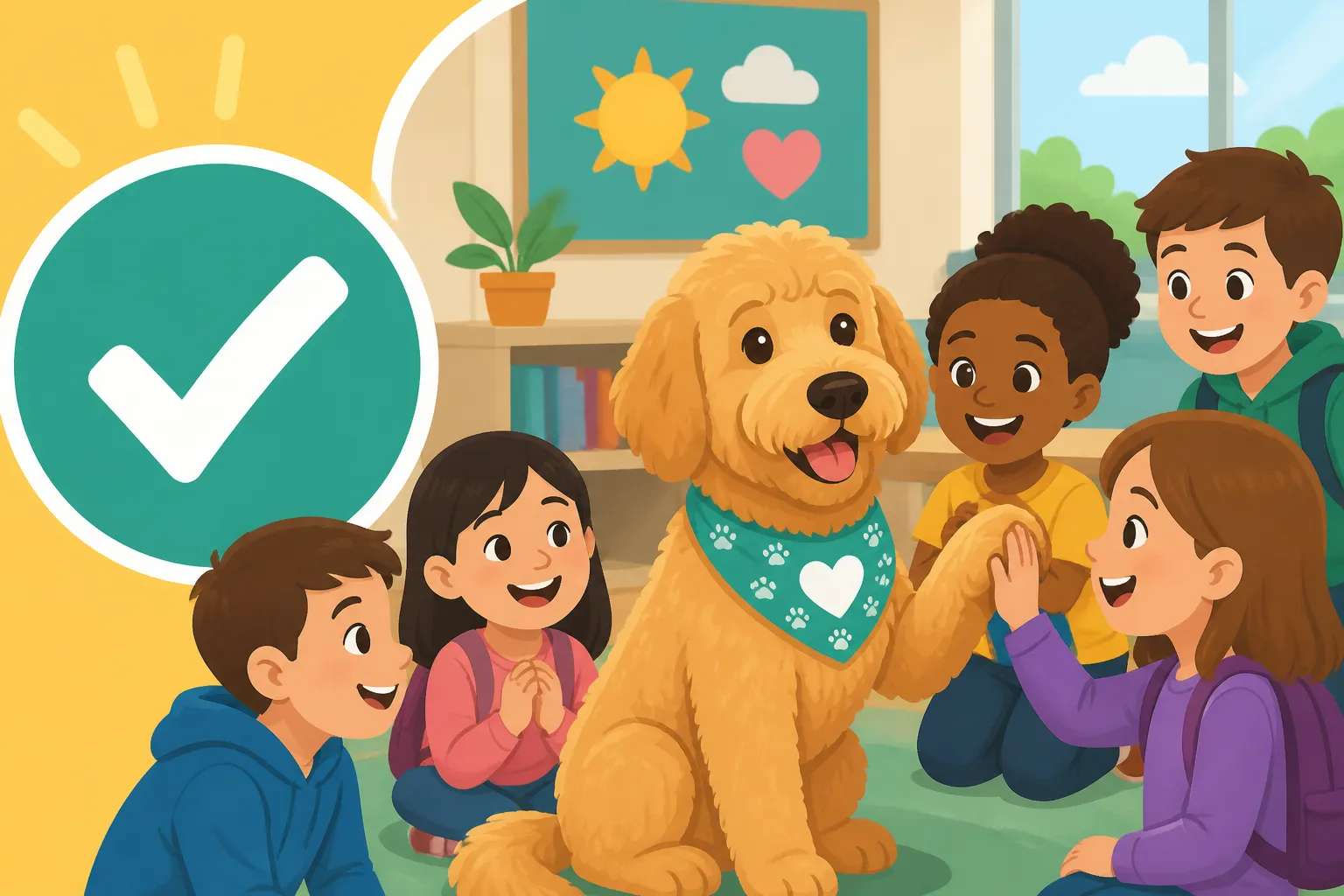
It's such a heartwarming thought, isn't it? Imagining your sweet, often goofy, and undeniably charming Labradoodle bringing smiles to children in a school setting. Many of us see the inherent joy and comfort our dogs provide at home and dream of sharing that magic with a wider community. However, the reality of a school environment—with its unpredictable noises, sudden movements, crowds of excited children, and novel smells—can be overwhelming for even the most laid-back canine. This guide is here to help you navigate the specific considerations, training, and preparation needed to assess if your Labradoodle is truly suited for school visits and, if so, how to ensure those experiences are positive, safe, and stress-free for everyone involved.
Understanding the Labradoodle Temperament for School Visits
When we talk about Labradoodles, we often picture a friendly, intelligent, and generally good-natured companion. These traits certainly lay a wonderful foundation for potential therapy or educational visits to schools. Their Labrador Retriever heritage often instills a natural eagerness to please and a generally social demeanor, while the Poodle influence contributes to their intelligence and often a more sensitive, perceptive nature. Together, these can create a dog that is empathetic and enjoys interacting with people. Many Labradoodles thrive on connection and soak up attention, which seems ideal for a setting like a school.
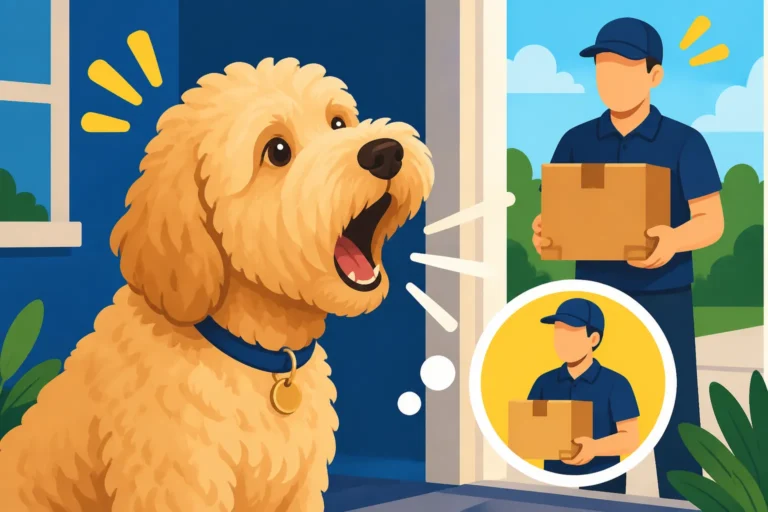
However, it's absolutely crucial to remember that every single dog is an individual. While the breed tends to be friendly, you can have a spectrum of personalities, from the supremely confident and unflappable to the more reserved and easily startled. What suits one Labradoodle perfectly might be a nightmare for another. For instance, some Labradoodles inherit a strong retrieving drive from their Labrador side, which might manifest as a desire to pick up every dropped pencil or toy – charming at home, but potentially disruptive or even dangerous in a classroom. Others might retain a significant amount of the Poodle's sensitive nature, making them highly attuned to noise and sudden movements. A bustling school hallway with shouting children and clanging lockers could quickly push a sensitive dog past its comfort threshold, turning what should be a positive experience into a stressful one.
Furthermore, many Labradoodles are known for their "Velcro" tendencies, meaning they form strong attachments to their primary caregivers and prefer to be constantly by their side. While endearing, this can be a challenge in an environment where you might need to leave your dog momentarily or where children are eager for independent interaction. A dog that becomes anxious when its handler steps away, even for a moment, isn't truly ready for the demands of a school visit. It's important to be brutally honest about your dog's true nature, not just what you hope it to be. Consider how your Labradoodle handles unexpected guests, loud noises like fireworks or thunderstorms, and children they don't know well. Do they greet calmly, or do they jump, bark, or retreat? Your Labradoodle's ability to maintain a calm and focused demeanor amidst chaos is paramount. You might want to explore The Temperament a Labradoodle Gets From Each Parent to understand these influences better. Ultimately, the goal is to ensure the dog genuinely enjoys the experience and isn't just tolerating it out of loyalty. This candid assessment is the very first step in deciding whether your Labradoodle is truly cut out for school visits.
Essential Training for a School-Ready Labradoodle
Before you even think about stepping paw into a school, your Labradoodle needs to be a rockstar when it comes to basic obedience and rock-solid manners. We're not just talking about knowing "sit" at home; we're talking about performing these cues reliably under distraction, which a school environment has in spades! Think about it: twenty children all calling their name, a bell ringing, a dropped book, a squealing child – your dog needs to be able to focus on you through all of that.
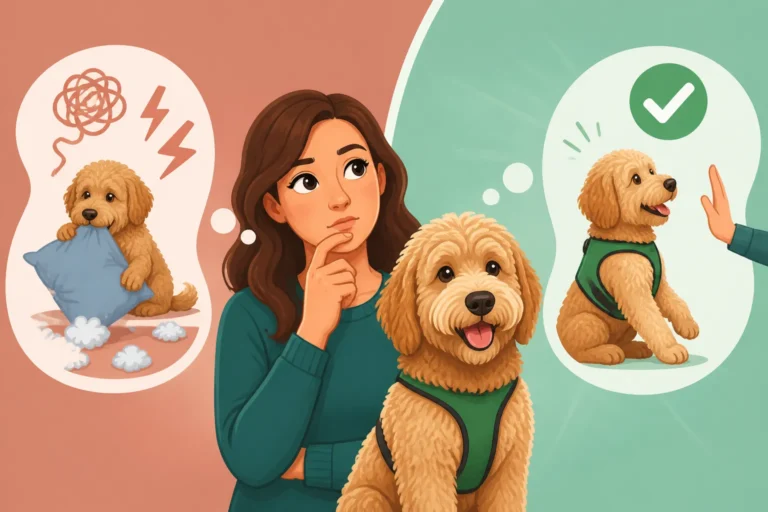
First and foremost, a solid "leave it" cue is non-negotiable. Schools are treasure troves of dropped snacks, art supplies, and who knows what else. Your Labradoodle must be able to ignore these tempting items on command. Equally important is a reliable "stay" or "settle" cue, where your dog can comfortably lie down and remain calm for an extended period, even with children moving around them. This is vital for safety and for allowing children to interact gently without your dog becoming overly boisterous. Polite greetings are also critical; a jumping Labradoodle, even a small one, can easily knock over a child or cause fear. They need to keep all four paws on the floor when greeting people, especially excited kids. You can find excellent resources for this kind of training, whether through local classes or online programs. For instance, many owners find structured online training like that offered by BAXTER & Bella incredibly helpful for building these foundational skills in a controlled home environment before moving to public spaces.
Beyond foundational cues, extensive socialization is key. This isn't just about meeting other dogs; it's about exposing your Labradoodle to a wide variety of people, ages, sizes, and energy levels, as well as a myriad of sounds and environments from a young age. A dog that has only ever met adults might be overwhelmed by a group of loud, fast-moving children. You need to desensitize them to common school stimuli: the screech of gym shoes, the sudden opening and closing of doors, the varied smells of cleaning products, lunches, and art supplies. Start by practicing in less chaotic public places, gradually increasing the level of distraction. Take them to parks when school is letting out, but observe from a distance at first. Reward calmness. A good recall is also essential, even if your dog is leashed. Imagine if the leash were accidentally dropped – you need to trust that they will come back to you immediately, no matter the distraction. This is a skill built over time and with consistent practice, often utilizing a long line in a safe, fenced area. Consider exploring What a Labradoodle Should Know by Six Months for age-appropriate training milestones. It’s also wise to prepare them for various interactions by practicing handling their ears, paws, and mouth gently, as curious children might want to pet them in different ways.
| Key Training Command | Why It's Crucial for School Visits |
|---|---|
| "Sit" / "Stay" | Promotes calm greetings and settled behavior during interactions. |
| "Lie Down" / "Settle" | Allows the dog to be relaxed and unobtrusive during story time or quiet activities. |
| "Leave It" | Prevents scavenging dropped food, art supplies, or potentially dangerous items. |
| "Come" (Recall) | Essential for safety and control if the leash is dropped or in an emergency. |
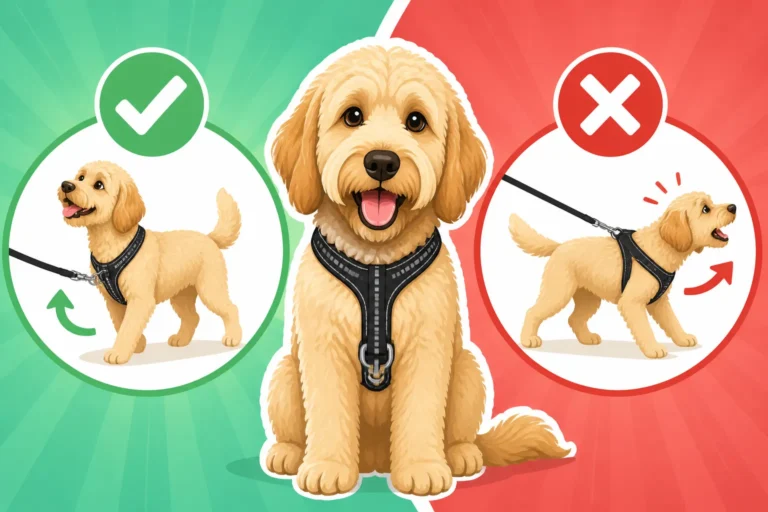
| "Loose Leash Walking" | Ensures safe navigation through crowded hallways and classrooms without pulling. |
| "Polite Greetings" | Prevents jumping on children, which can be frightening or cause injury. |
| "Off" (No jumping) | Reinforces keeping paws on the floor during interactions. |
Many people find that investing in quality training tools can make a huge difference. A good treat pouch, high-value treats, and a comfortable, well-fitting harness (you can find many options on platforms like Amazon) are invaluable for keeping your Labradoodle engaged and safe during training sessions. Remember, this isn't about forcing your dog; it's about teaching them coping mechanisms and reinforcing good choices so they feel confident and secure in novel environments. For example, a reliable "leave it" command is not only about ignoring food but also about ignoring other dogs or exciting distractions, as discussed in Teaching a Labradoodle to Ignore Other Dogs in Public. Building these layers of training ensures your Labradoodle understands what's expected of them, making the school visit a more positive experience for everyone.
Preparing for a Successful School Visit with Your Labradoodle
So, you've done the hard work, and your Labradoodle is a shining example of good manners and calm confidence. Now, let's talk about the practicalities of a school visit. Preparation is truly your best friend here, because an unprepared visit can quickly go sideways, potentially souring future opportunities.
First off, your Labradoodle's health and hygiene are paramount. Ensure they are up-to-date on all vaccinations, parasite prevention, and have recently had a thorough grooming session. A clean, brushed dog is not only more pleasant for children to interact with, but it also helps manage any potential allergens (even if minimal with the Labradoodle's coat). Think about their nails – no sharp talons that could scratch! And of course, a healthy dog is a happy dog. Make sure they’ve had their Yearly Screening a Labradoodle Should Get to ensure they're in top physical condition. Before the visit, give your dog plenty of exercise to burn off any excess energy. A tired dog is generally a well-behaved dog. This doesn't mean exhausting them, but a good long walk or play session can help them settle more easily in a new environment. The Exercise a Labradoodle Needs Before It Behaves is a great resource if you need ideas for energy expenditure. Also, make sure they have had a chance to relieve themselves right before entering the building. The last thing you want is an accident on school property!
Planning the visit itself is critical. Discuss with the school staff the specific areas your Labradoodle will be visiting. Will it be one classroom, a library, or a hallway? How long will the visit be? Shorter, more frequent visits are often better, especially initially, to avoid overstimulation. Always have a clear supervision plan, ensuring that children are taught how to approach and interact with your dog respectfully – no pulling tails, no sudden grabs, no yelling directly into their face. You are your dog's advocate, so be ready to step in and guide interactions. Identify "escape routes" or quiet zones where your Labradoodle can retreat if they become overwhelmed. A small, cozy mat or bed can act as a safe haven within a classroom.
Regarding equipment, ensure you have a comfortable, secure leash and harness. A front-clip harness or a head halter can offer better control without putting strain on your dog's neck, particularly important for a strong Labradoodle in a potentially stimulating environment. If your Labradoodle is a certified therapy dog, ensure they are wearing their official vest or bandana so staff and children can easily identify them. Don't forget a portable water bowl and fresh water, as well as plenty of high-value treats for positive reinforcement. A small, lightweight backpack or messenger bag, easily found on Amazon, can keep all these essentials organized and within reach. Remember, your calm demeanor will directly influence your dog's state. If you are stressed or anxious, your Labradoodle will pick up on that immediately. Practice deep breaths and maintain a positive, reassuring attitude. Starting with very short visits, perhaps just meeting a few staff members or a single, quiet classroom, can build confidence for both you and your dog, paving the way for more extensive interactions in the future.
Navigating Challenges and Ensuring Safety During School Visits
Even with the best preparation and the most well-trained Labradoodle, school environments are inherently unpredictable, and challenges can arise. The key to a successful visit lies in your ability to recognize early signs of stress in your dog and to have strategies in place to manage those situations effectively and safely.
A dog showing stress isn't misbehaving; they're communicating. Look for subtle cues like excessive yawning (when not tired), lip licking, nose licking, turning their head away, avoiding eye contact, tail tucked low or stiff, stiff body posture, panting (when not hot), excessive shedding, or sudden disinterest in treats they usually adore. These are all signals that your Labradoodle might be feeling overwhelmed or uncomfortable. More overt signs might include growling, barking, lunging, or trying to hide behind your legs. If you see any of these, it's time to intervene. Never ignore these signals; they are your dog's way of asking for help, and ignoring them can lead to a more severe reaction. It’s important to understand that Whether a Labradoodle Tolerates Handling by Strangers can vary widely, and stress can reduce a dog's tolerance.
Strategies for managing overstimulation or fear can include moving to a quieter area, taking a short break outside, or simply changing the activity. If your dog is getting too much attention from excited children, gently guide the children to pet more calmly, or ask them to sit quietly and read to your dog from a distance. You can use your dog's "settle" cue and offer a chew toy or a lick mat to redirect their focus and provide a calming outlet. Always carry high-value treats to reinforce calm behavior and help create positive associations with the school environment. Sometimes, a specific noise or sudden movement might trigger a reaction. Having a clear plan, like moving your dog behind you or creating a physical barrier, can help. Online training programs, like those offered by BAXTER & Bella, often have modules on managing reactivity and stress, which can be invaluable for troubleshooting specific behaviors you encounter.
Crucially, educate the children you are interacting with. Teach them to ask permission before petting, to use gentle strokes, and to recognize when a dog might need space. Simple rules like "no sudden movements," "use quiet voices," and "pet gently on the shoulder or chest" can make a huge difference. For young children, demonstrating how to "be a tree" (stand still, hands at sides, look at your own feet) if a dog approaches them too quickly can empower them and prevent mishaps. Have a clear protocol for unexpected situations: if your dog accidentally jumps, nips, or gets startled, know how you will respond calmly and professionally. This might involve immediately removing your dog from the situation, apologizing, and reassessing if the visit should continue. The ultimate goal is to keep everyone safe, including your Labradoodle. If, after multiple attempts and adjustments, your Labradoodle consistently shows signs of stress or discomfort in a school setting, it's okay to admit that it might not be the right fit for them. Not every dog is destined to be a therapy dog, and respecting your dog's limits is the most responsible thing you can do. There are many reasons What Washes a Labradoodle Out of a Program, and a dog's emotional well-being is paramount. Perhaps they'd be happier visiting a quieter nursing home or being a beloved family pet.
Disclaimer
This article is for general informational purposes only and does not constitute professional advice. Laws, prices and regulations vary by location and change over time. Consult a qualified professional for guidance on your specific situation.