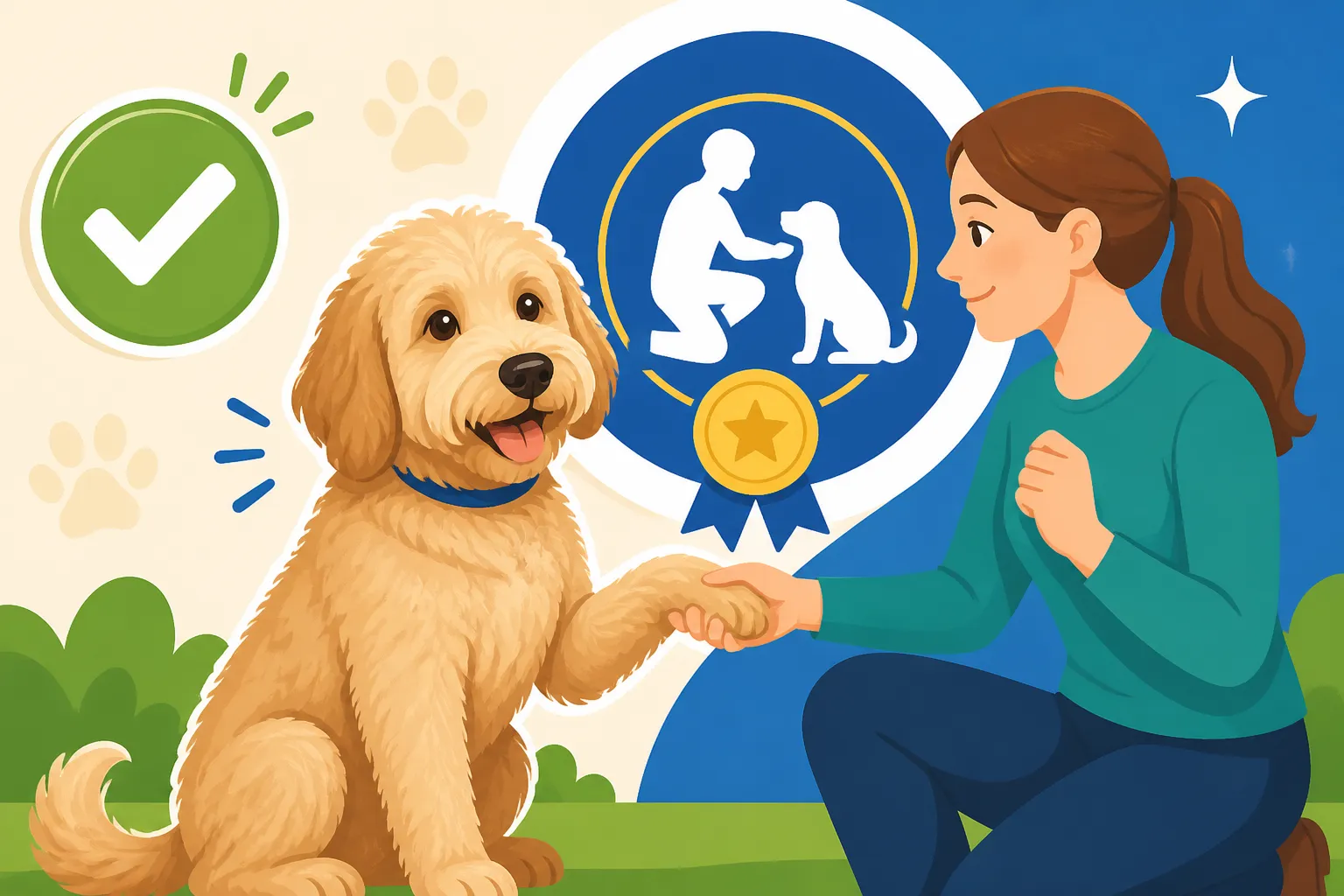
Whether a Labradoodle Passes the AKC Good Citizen Test
It’s a common dream for Labradoodle owners: a calm, well-mannered companion who is a joy to take anywhere. But sometimes, despite all the love and effort, our Doodles can be a bit… exuberant, leaving us wondering if they’ll ever achieve that polished public demeanor. This guide is here to shed light on what the AKC Canine Good Citizen (CGC) test truly asks of a dog and, more importantly, whether your beloved Labradoodle has what it takes to pass with flying colors. We'll walk through the test, your Labradoodle's natural abilities, and how you can prepare them for success.
Understanding the AKC Canine Good Citizen Program
The AKC Canine Good Citizen (CGC) program is a well-respected certification program designed to reward dogs who have good manners at home and in the community. It's essentially a stamp of approval that your dog can be a polite member of society, a goal many of us strive for with our furry family members. It’s not about tricks or fancy maneuvers; it's about practical, everyday behaviors that make living with a dog a pleasure.
What the CGC Test Entails
The CGC test consists of ten specific exercises, each designed to evaluate a dog's basic obedience and good behavior in a controlled environment. Think of it as a series of real-world scenarios, stripped down to their core elements. Your dog needs to show that they can respond to commands, remain calm in new situations, and be polite around strangers and other dogs. There's no pass or fail on individual items; it's a cumulative assessment of their overall disposition and training.
Here's a breakdown of the core components:
- Accepting a friendly stranger: Your dog should allow a friendly stranger to approach and speak to you without shyness or aggression. This is about being polite and calm.
- Sitting politely for petting: The dog must allow a stranger to pet them while remaining in a sit position. This tests their impulse control and comfort with physical contact from new people.
- Appearance and grooming: The evaluator will check your dog's ears and feet, and briefly brush them. This ensures your dog is comfortable with handling, which is essential for vet visits and grooming sessions. Many Labradoodles might find this a little challenging, especially if they haven't been introduced to regular handling from a young age.
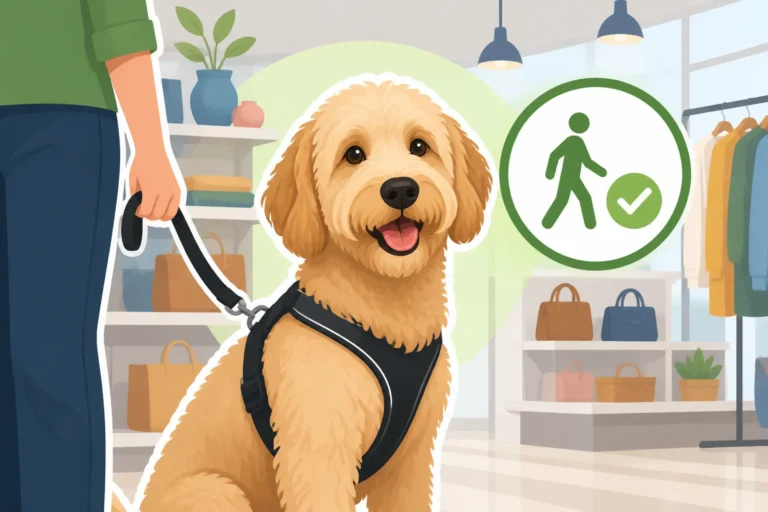
- Out for a walk (walking on a loose leash): Your Labradoodle needs to walk beside you, without pulling, on a loose leash. This is a fundamental skill that makes walks enjoyable for everyone.
- Walking through a crowd: You and your dog will walk through a small "crowd" of people. Your dog should navigate this without jumping on people, shying away, or becoming overly excited.
- Sit and down on command/staying in place: Your dog should perform a sit and a down on command and then remain in that position while you walk away a short distance and return. This tests their reliability and ability to hold a stay.
- Coming when called (recall): When you call your dog from a short distance, they should eagerly and promptly come to you. A solid recall is crucial for safety and freedom.
- Reaction to another dog: You and your dog will approach another dog and handler. Both dogs should remain calm and polite, without lunging, barking, or excessive interest.
- Reaction to distraction: Your dog will be exposed to mild distractions, such as a dropped object or a sudden noise. They should not panic, become aggressive, or lose focus on you.
- Supervised separation: The dog is held by a trusted person while you walk out of sight for three minutes. Your dog should remain calm and not show excessive distress, barking, or whining. This is often the trickiest part for our famously "Velcro" Labradoodles.
Why the CGC Matters for Labradoodle Owners
Achieving the Canine Good Citizen title is more than just a certificate; it's a testament to your dedication as a responsible pet owner and your Labradoodle's potential as a well-adjusted companion. For Labradoodle owners, this can be particularly important. Our Doodles are often seen as friendly, outgoing dogs, but their enthusiasm, combined with their size (especially standard Labradoodles), can sometimes be overwhelming for strangers if not properly managed.
A CGC title demonstrates that your Labradoodle has moved beyond basic puppy antics and can behave reliably in various public settings. This can open doors, literally. It might mean your dog is more welcome in pet-friendly establishments, at friends' homes, or even in certain rental properties that look for proof of a dog's good behavior. Moreover, the training process itself strengthens the bond between you and your dog, building trust and communication. It lays an excellent foundation for any future training, whether you're considering What a Therapy Dog Visit Asks of a Labradoodle or just want a well-behaved family pet. It instills confidence in both you and your Labradoodle, helping them navigate a world that can sometimes be a bit much for even the most well-meaning canine.
Labradoodle Temperament and Trainability for CGC Success
Labradoodles possess a fascinating blend of traits from their parent breeds, the Labrador Retriever and the Poodle. This genetic tapestry often results in dogs that are highly intelligent, eager to please, and generally good-natured, making them excellent candidates for training programs like the CGC. However, their unique combination of characteristics can also present some specific challenges that owners need to be aware of and address proactively.
The Labradoodle's Inherited Traits for Training
On the positive side, Labradoodles inherit many qualities that are highly advantageous for CGC success. From the Labrador side, they often get that famously eager-to-please attitude and a strong desire to work alongside their human. This means they're often highly motivated by praise, treats, and toys, making positive reinforcement training very effective. They also tend to be quite resilient and adaptable, which helps them handle the various new environments and distractions encountered during training and the actual test. Many Labradors are known for their calm and steady nature, which can shine through in a Labradoodle when properly nurtured. You can learn more about their foundational traits in The Temperament a Labradoodle Gets From Each Parent.
Then there's the Poodle influence, which brings a high level of intelligence and a quick grasp of new concepts. Poodles are notoriously smart, and this intellectual capacity means Labradoodles can often pick up commands and routines very quickly. They enjoy mental stimulation, and training provides an excellent outlet for this. This intelligence also means they can generalize learned behaviors to new situations with less repetition, which is a huge plus when preparing for a test that asks them to perform in unfamiliar settings. Their athletic build and natural agility can also make them quick learners for physical commands, provided they're channeled constructively.
Common Challenges for Labradoodle Owners
Despite these wonderful attributes, Labradoodles aren't without their quirks, and some of these can pose challenges on the path to CGC certification. One of the most common is their sheer exuberance and puppy-like energy, which can sometimes persist well into adulthood. A Labradoodle's natural bouncy enthusiasm, while endearing, can translate into jumping on strangers (a definite CGC no-no), pulling on the leash, or excessive vocalization when excited. Managing this high energy requires consistent exercise and mental enrichment from a young age.
Another common trait is the "Velcro Dog" tendency. Labradoodles often form incredibly strong attachments to their families and can be prone to separation anxiety. This can make the "supervised separation" portion of the CGC test particularly difficult. Dogs who are overly reliant on their owners might whine, bark, or try to follow when you step out of sight. Addressing this requires gradual desensitization to alone time, starting with very short periods and slowly increasing the duration. It's about teaching them that your absence is temporary and not a cause for panic. The Velcro Labradoodle That Cannot Be Left delves deeper into this common challenge.
Finally, while intelligent, Labradoodles can also be independent thinkers. They might get bored with repetitive drills or decide that a squirrel on the other side of the park is far more interesting than your "come" command. This requires owners to be engaging, vary their training methods, and ensure high-value rewards are always on hand. Consistency across all family members is also key, as an intelligent dog will quickly learn who they can get away with certain behaviors with. It’s not stubbornness in a malicious sense, but rather a keen intelligence that’s always weighing options – and sometimes, those options don't involve complying with your request.
Preparing Your Labradoodle for the CGC Test
Getting your Labradoodle ready for the AKC Canine Good Citizen test is a journey, not a sprint. It involves consistent training, patience, and understanding your dog's individual personality. The good news is that most Labradoodles, with their intelligence and desire to please, thrive in this structured environment, especially when approached with positive reinforcement.
Building a Strong Foundation with Basic Obedience
Before you can tackle the specific CGC exercises, your Labradoodle needs a rock-solid foundation in basic obedience. Commands like "sit," "down," "stay," and "come" aren't just for tricks; they are the building blocks of good behavior and control. Start training these commands in a quiet, distraction-free environment, rewarding every small success. Use high-value treats and enthusiastic praise to make training fun and motivating for your Labradoodle. Once they understand the commands reliably indoors, gradually introduce distractions. Practice in your backyard, then a quiet park, then a busier area. This "proofing" process is essential, as the CGC test is performed in a novel environment with distractions.
Leash manners are another critical area. A Labradoodle who pulls on the leash can quickly make a walk, or the CGC test, a miserable experience. Invest in a comfortable harness that discourages pulling, and consistently reward loose-leash walking. Techniques like stopping every time your dog pulls, waiting for the leash to slacken, and then continuing, can be very effective. Remember, your Labradoodle is smart; they'll quickly learn that a tight leash means a stopped walk. You can find excellent resources, including online courses and virtual trainers, to guide you through these basics. For instance, programs like BAXTER & Bella offer comprehensive online training options that cover everything from puppy basics to advanced obedience, all from the comfort of your home.
Socialization, often overlooked after puppyhood, is also a continuous process. Your Labradoodle needs positive experiences with various types of people (men, women, children, people with hats, people with canes) and well-behaved dogs. This helps them learn to respond appropriately and calmly, rather than with fear or over-excitement, which is vital for the "accepting a friendly stranger" and "reaction to another dog" portions of the test.
Addressing Specific CGC Exercises
Once the basics are solid, you can start drilling down into the specific components of the CGC test. For "accepting a friendly stranger" and "sitting politely for petting," practice having friends or family members approach and interact with your dog in a calm, controlled manner. Reward your Labradoodle for staying seated and relaxed. For "appearance and grooming," gradually accustom your dog to having their ears touched, their paws handled, and a brush run over their coat. Start with short sessions and make it a positive experience with treats. This will also help with general grooming, which is a significant part of owning a Labradoodle. For example, knowing how to handle your dog for ear cleaning is essential to prevent Ear Infections Built Into a Labradoodle's Drop Ear.
The "out for a walk" and "walking through a crowd" sections rely heavily on your loose-leash training and your dog's ability to focus on you amidst distractions. Practice walking in busy areas, changing directions frequently, and rewarding your dog for keeping attention on you. For "sit and down on command/staying in place," gradually increase the duration and distance of your stays. If your Labradoodle tends to break their stay, go back to a shorter duration and less distraction, then slowly build up again. Remember to practice your recall (coming when called) in increasingly distracting environments, making yourself the most exciting thing for your dog.
The "reaction to another dog" and "reaction to distraction" sections require controlled exposure. If your Labradoodle gets overly excited around other dogs, practice at a distance they can handle calmly, slowly decreasing the space as they improve. For distractions, gently introduce novel sounds or objects while rewarding your dog for remaining calm and looking to you for guidance. Many helpful training tools, from clickers to treat pouches, are readily available on Amazon and can make your training sessions more efficient and enjoyable.
Practice Makes Perfect: Realistic Training Scenarios
The key to CGC success lies in mimicking the test environment as closely as possible. Don't just practice commands in your living room; take your Labradoodle to various new places where they'll encounter new sights, sounds, and smells. Visit different parks, walk around outdoor shopping centers (where dogs are permitted), or even attend community dog events. The more exposure your Labradoodle has to different, controlled situations, the less likely they are to be overwhelmed on test day.
Set up mock CGC tests with friends or family acting as evaluators and "friendly strangers." This helps your dog get used to performing in a slightly more formal setting and helps you identify any weak spots in their training. Pay particular attention to the "supervised separation" if your Labradoodle has a strong attachment. Start by leaving them with a trusted friend for just 30 seconds, then a minute, slowly increasing the time. Make sure they are comfortable and have a favorite chew toy or treat to distract them. The goal isn't to traumatize them, but to teach them that you will always return.
Consistency is paramount. Ensure everyone in the household uses the same commands and expectations. A Labradoodle who gets mixed signals will take longer to learn and perform reliably. Short, frequent training sessions (5-10 minutes, several times a day) are far more effective than one long, grueling session. Keep it positive, keep it fun, and remember to celebrate every step of progress, no matter how small. Your Labradoodle wants to please you, and with the right guidance, they absolutely can achieve their Canine Good Citizen title.
The Test Day Experience for a Labradoodle
The big day has arrived! You've put in the work, your Labradoodle is (mostly) ready, and now it's time for the AKC Canine Good Citizen test. It’s natural for both you and your dog to feel a little nervous, but understanding what to expect and how to manage those jitters can make all the difference.
What to Expect During the Evaluation
The CGC test is designed to be a non-threatening and friendly experience, conducted by a certified AKC evaluator. It's usually held in a relatively quiet indoor or outdoor space, but there will be other dogs and people present, creating mild distractions. The evaluator will explain each exercise before you perform it. They are looking for your dog to demonstrate good manners, not perfection. A small wag of the tail or a momentary glance at a distraction isn't necessarily a failure, as long as your dog refocuses and ultimately performs the task.
The evaluator will guide you through the ten components one by one. For example, during the "accepting a friendly stranger" exercise, the evaluator will approach you and your dog, speak briefly, and then move on. For the "petting" portion, they might lean down and gently stroke your Labradoodle's back. During the "appearance and grooming" check, they’ll briefly touch your dog's ears and paws, and lightly brush them. It’s all very practical and mirrors everyday interactions. Remember, the evaluator isn't trying to trick you or your dog; they just want to see if your Labradoodle can consistently demonstrate the expected behaviors.
It's helpful to remember that evaluators are looking for safety and control. They want to see that your Labradoodle is not aggressive, overly fearful, or uncontrollable. They want to see that you, as the handler, have a good relationship with your dog and can guide them through various situations. The atmosphere is generally supportive, and many evaluators are happy to offer encouragement.
| CGC Test Item | What the Evaluator Looks For | Common Labradoodle Challenge |
|---|---|---|
| Accepting a Friendly Stranger | Calm, polite demeanor; no shyness or aggression | Over-excitement, jumping |
| Sitting Politely for Petting | Remains seated calmly while a stranger pets | Breaking sit to greet, excessive licking |
| Appearance & Grooming | Allows brief handling of body, ears, paws, and brushing | Resistance to handling, mouthiness |
| Out for a Walk (Loose Leash) | Walks beside handler without pulling or lagging | Strong pulling, sniffing distractions |
| Walking Through a Crowd | Navigates crowd without jumping, shyness, or excessive interest | Jumping on people, being too friendly |
| Sit & Down on Command / Stay in Place | Performs commands reliably; holds position with handler nearby | Breaking stay for distractions |
| Coming When Called (Recall) | Comes promptly and eagerly when called | Getting distracted, playing "hard to get" |
| Reaction to Another Dog | Remains calm and polite; no lunging or excessive interest | Over-excitement, wanting to play |
| Reaction to Distraction | Does not panic or become aggressive with mild distractions | Startling easily, barking at sounds |
| Supervised Separation | Remains calm for 3 minutes while handler is out of sight | Whining, barking, signs of anxiety |
Handling Nerves (Yours and Your Labradoodle's)
It’s completely normal to feel a bit nervous on test day, and unfortunately, our dogs are incredibly adept at picking up on our emotions. If you're stressed, your Labradoodle will likely feel stressed too, which can impact their performance. Try to take a few deep breaths before you enter the test area. Remind yourself that this is just one step in your training journey, and the most important thing is the bond you share with your dog.
For your Labradoodle, the best way to combat test-day nerves is through thorough preparation and positive associations. Arrive a little early to allow your dog to sniff around the testing area and get accustomed to the new environment. Take a short, calming walk beforehand to burn off any excess energy, but avoid over-exercising them to the point of exhaustion. Bring their favorite high-value treats and a familiar toy to help them feel comfortable and rewarded. Whether a Labradoodle Works for Food Like a Labrador is certainly a factor here, and most Doodles are very food-motivated!
During the test, keep your voice calm and encouraging. Praise your Labradoodle generously for even small successes, and remember that it's okay to reset if they make a mistake. For example, if they break a stay, simply guide them back to position and try again. The evaluator is assessing their overall demeanor and your ability to manage them. If your Labradoodle tends to get easily distracted, keep your body language clear and engaging, and your rewards ready. Sometimes, a quick tap on the nose or a "leave it" command can help them refocus. Remember to focus on the positive aspects of your dog's performance, and enjoy the experience of showcasing all the hard work you've both put in.
Beyond the CGC: Continuing Your Labradoodle's Training Journey
Passing the AKC Canine Good Citizen test is a fantastic accomplishment and a milestone for any Labradoodle owner. It signifies that your dog has excellent manners and is a truly responsible member of the community. However, training shouldn't stop there. The CGC is a foundation, not a finish line, and continuing your Labradoodle's education offers countless benefits for both of you.
Advanced Obedience and Dog Sports
Once your Labradoodle has mastered the basics and passed the CGC, you might find that you both enjoy the challenge and mental stimulation of more advanced training. Advanced obedience classes, often building on CGC principles, delve into off-leash control, more precise heeling, and longer, more challenging stays. These classes refine your communication with your dog and transform them into an even more reliable and versatile companion. This continued training can be particularly rewarding for a Labradoodle, as their intelligence means they crave new things to learn and problems to solve. They thrive on having a "job," and advanced obedience provides just that.
Beyond obedience, there's a whole world of dog sports that can engage your Labradoodle's natural abilities and boundless energy. Agility, for example, is a fantastic way to harness their athleticism and intelligence, as they learn to navigate obstacle courses with speed and precision. Many Labradoodles excel at it, loving the challenge and the opportunity to run and jump. Rally obedience combines precision with a more relaxed feel than traditional obedience, where you and your dog navigate a course of stations performing different commands. For those Labradoodles who truly love to retrieve, flyball or even dock diving could be a thrilling outlet, tapping into their Labrador heritage. Even simple scent work or "nose games" can provide immense mental enrichment and build confidence, transforming a casual stroll into an exciting adventure. You might consider exploring options available through various training clubs or online platforms like BAXTER & Bella, which often offer resources for these advanced activities.
The Lifelong Benefits of a Well-Trained Labradoodle
The investment in training your Labradoodle, from puppyhood through to advanced levels and perhaps even a CGC title, pays dividends throughout their entire life. A well-trained Labradoodle is a happier Labradoodle. They understand what is expected of them, feel more secure in their environment, and have a clear way to communicate with you. This drastically reduces frustration for both dog and owner. They are less likely to develop behavioral issues rooted in boredom, anxiety, or a lack of clear boundaries.
A well-trained Labradoodle is also more adaptable. They can confidently go new places, meet new people, and handle novel situations with grace. This means more adventures for you both – hiking, visiting pet-friendly cafes, or simply enjoying a peaceful evening walk without the stress of leash pulling or reactivity. The confidence they gain from consistent positive training helps them navigate everything from a bustling park to a quiet vet visit. This is especially true for Labradoodles, who often enjoy being involved in family activities.
Furthermore, the bond you forge through training is incredibly deep and resilient. It's built on trust, mutual respect, and clear communication. You learn to read your Labradoodle's cues, and they learn to trust your guidance. This enhanced relationship is truly the greatest reward, fostering a harmonious household and a joyful partnership. Whether your Labradoodle goes on to become a therapy dog or simply a cherished family member, the lessons learned and the confidence gained from their training journey, starting with that CGC foundation, will enrich their life and yours for years to come. Ultimately, a well-trained Labradoodle is a testament to the dedication of their owner and a shining example of what makes this breed so special.
Disclaimer
This article is for general informational purposes only and does not constitute professional advice. Laws, prices and regulations vary by location and change over time. Consult a qualified professional for guidance on your specific situation.