Whether Home Grooming a Labradoodle Ends Badly
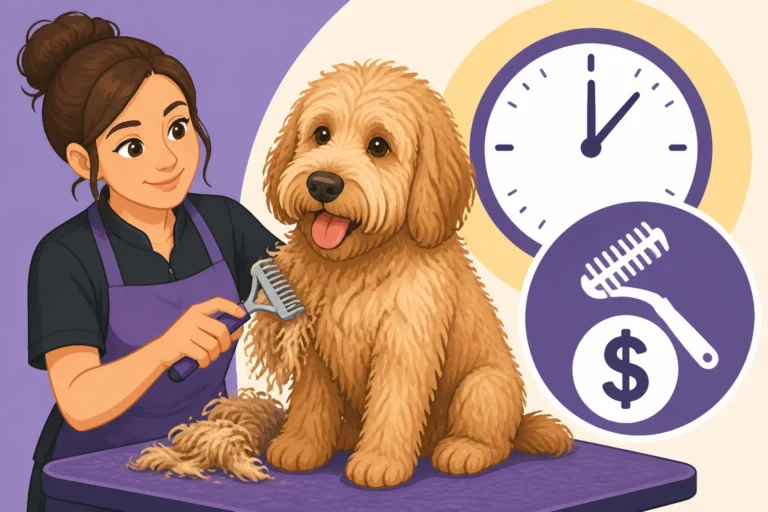
Many Labradoodle owners dream of saving money and bonding with their furry friend by taking on the grooming duties themselves. However, the unique, often challenging coat of a Labradoodle can turn this noble intention into a frustrating, matted mess, leaving both owner and dog stressed and potentially leading to unexpected expenses. This guide will walk you through the realities of home grooming your Labradoodle, detailing the common pitfalls and offering practical advice to ensure your at-home efforts are successful, or at least don't end in disaster.
The Allure and Reality of DIY Labradoodle Grooming
It's completely understandable why so many Labradoodle parents consider home grooming. The cost of professional grooming adds up quickly, especially with a breed known for its high-maintenance coat. You picture a serene afternoon, a gentle brush, and a beautifully trimmed dog emerging from your efforts. It sounds wonderful, doesn't it? The reality, however, can often be a stark contrast to this idyllic vision. Labradoodles, with their diverse range of hair types, from the wavy fleece to the dense wool, present unique challenges that many first-time groomers simply aren't prepared for.
Why Owners Attempt Home Grooming
The primary driver, for many, is the financial aspect. Regular professional grooming for a Labradoodle can easily be one of the highest recurring costs of dog ownership outside of food and vet care. For a large standard Labradoodle with a dense coat, a full groom every 6-8 weeks can strain any budget. Beyond the money, there's also the appeal of convenience. Scheduling appointments, dropping off, picking up – it all takes time. The idea of grooming on your own schedule, in the comfort of your home, is incredibly tempting. Plus, for many, it's about that special bond. The thought of spending quality time with your dog, nurturing their appearance, feels deeply rewarding. It’s a way to feel more connected to their well-being, to be hands-on in every aspect of their care. You want to be the one who keeps them looking and feeling their best, and who can blame you for that?
The Unexpected Challenges of Labradoodle Coats
What often gets overlooked in the initial excitement is the sheer complexity of a Labradoodle's coat. This isn't just brushing a short-haired dog; this is an intricate dance with a double coat that can vary wildly. You might have a delightful fleece coat that seems manageable, but then you learn about The Coat Change That Hits a Labradoodle at Nine Months and suddenly your once easy-to-brush puppy is a matting disaster zone. Or perhaps you have a dense wool coat, which, while often lauded as "non-shedding," is a magnet for knots and tangles. These coats demand consistent, thorough grooming right down to the skin, which is much harder to achieve than it sounds. Many owners underestimate the time commitment and the specific techniques required. Without the right tools and knowledge, what starts as a simple brush can quickly turn into a frustrating battle against mats that seem to appear out of nowhere, leading to discomfort for your dog and exasperation for you. It's a real learning curve, and it's okay to admit it's tough!
Common Pitfalls and How Grooming Can "Go Bad" at Home
So, you've decided to tackle grooming at home. You've got your brush and maybe even some clippers. But before you dive in, it's vital to understand where things can truly go awry. Because, trust me, a bad grooming experience can be traumatic for your dog and incredibly disheartening for you. We're talking about more than just a wonky haircut; we're talking about potential pain and lasting fear.
The Dreaded Matting Epidemic
This is, without a doubt, the number one culprit behind home grooming nightmares. Labradoodle coats, especially the wool and dense fleece types, mat with astonishing speed and tenacity. If you're not brushing How Many Times a Week a Labradoodle Needs Brushing – and doing it properly, down to the skin – those cute curls will intertwine into felted pads that pull on your dog's skin. Mats are not just unsightly; they are painful. They restrict movement, hide skin infections, and can even cut off circulation. Trying to brush out severe mats with a regular brush is futile and cruel. Many well-meaning owners end up inadvertently hurting their dogs, making them associate grooming with pain and struggle. This cycle can make future grooming sessions, whether at home or with a professional, incredibly difficult. It’s easy to miss mats in areas like Mats Behind a Labradoodle's Ears or in the armpits, leading to severe discomfort.
Clipper Blunders and Skin Irritations
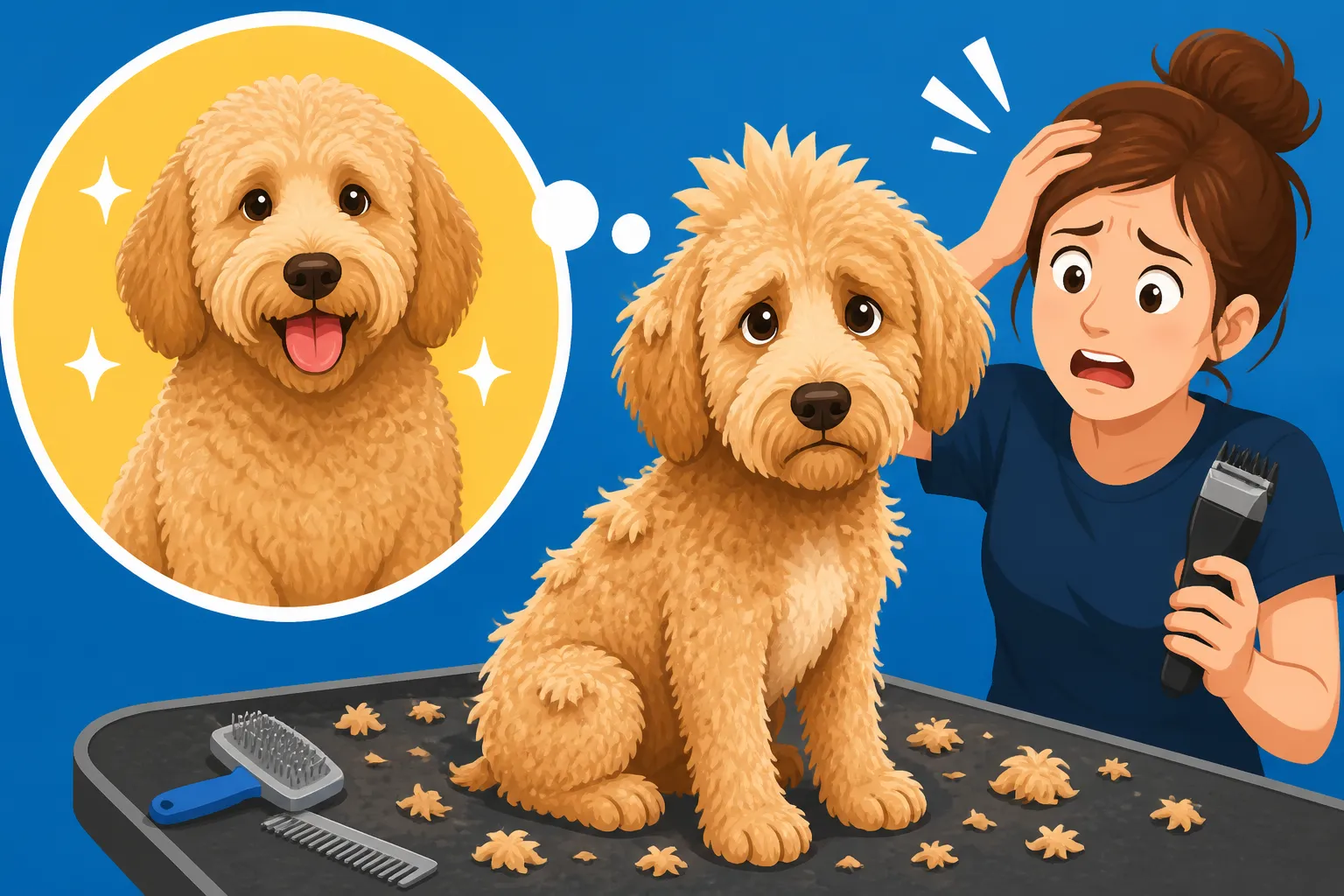
Armed with clippers, many owners attempt to give their Labradoodle a neat, even trim. While this sounds straightforward, it's fraught with potential hazards. Dull blades can pull hair, causing pain. Trying to clip through even minor mats can snag and cause serious clipper burns or cuts. The skin under a matted coat is often thin and delicate, making it even more susceptible to injury. Furthermore, if you’re not familiar with how to hold the clippers correctly or stretch the skin taut, you can end up with uneven patches, jagged lines, or worse, accidentally nicking delicate areas.
Beyond immediate injury, improper clipping can lead to skin irritation. If the blade gets too hot, it can burn your dog. Using the wrong blade length can expose sensitive skin to the elements or cause ingrown hairs. And let's not forget the sheer difficulty of achieving an even, aesthetically pleasing cut. What starts as an attempt at a tidy "teddy bear clip" can quickly devolve into a patchy, choppy look that requires a professional to fix, often at a higher cost due to the corrective work needed. Even if you're just Trimming the Hair Between a Labradoodle's Pads, precision is key to avoid injury.
Stress and Aversion to Grooming
Perhaps the most heartbreaking "bad ending" to home grooming isn't a physical injury, but a psychological one. If grooming becomes a constant battle, filled with frustration, discomfort, or even pain, your Labradoodle will quickly develop an aversion to it. They might start to growl, snap, or try to escape whenever they see the brush or clippers. This isn't them being "stubborn"; it's a learned fear response. A dog that fights grooming makes the process even harder and more dangerous for both of you. It's crucial to make grooming a positive experience from a young age, starting with Starting Grooming Handling on a Labradoodle Puppy. If initial attempts at home grooming create a fearful dog, it can impact their ability to tolerate even basic care like nail trims or vet examinations for years to come. This kind of stress isn't just bad for grooming; it can impact their overall well-being.
Essential Tools and Techniques for Successful Home Grooming
So, how do you avoid these unfortunate scenarios and set yourself up for success? It all comes down to having the right equipment, learning the correct techniques, and approaching grooming with patience and positive reinforcement.
Building Your Labradoodle Grooming Arsenal
You simply cannot groom a Labradoodle effectively with a cheap plastic brush and a pair of kitchen shears. Investing in quality tools is non-negotiable.
- Slicker Brush: A good quality, firm slicker brush is your primary weapon against tangles. Look for one with coated tips to be gentler on the skin.
- Metal Comb: A long-toothed metal comb, ideally with both wide and narrow-set teeth, is essential for "line brushing." This is how you ensure you're getting through the entire coat, all the way to the skin. After you brush, you use the comb to check for missed tangles.
- De-matting Tools (Use with Caution!): A de-matting rake or comb can be helpful for small, loose tangles, but use them sparingly and with extreme care. They can easily cut skin if not used correctly. Never try to saw through a tight mat.
- Clippers: If you're going to clip, you need a professional-grade clipper, not a cheap human hair clipper. Look for a powerful, quiet model with interchangeable blades. A good example of a professional clipper brand might be Wahl or Andis. Remember, you'll need various blade sizes – often a #10 blade for sanitary areas and paw pads, and longer blades like a #4F or #5F for the body. Learn about The Clipper, Blade and Dryer a Labradoodle Owner Buys before you commit.
- Grooming Shears: Straight, curved, and thinning shears are useful for tidying up faces, paws, and giving a more natural, blended look. Again, quality matters; dull shears pull hair.
- Force Dryer: This is often overlooked but absolutely crucial, especially if your Labradoodle swims or gets wet frequently. A high-velocity force dryer blows water out of the coat, helping to prevent mats and drying faster. It's also excellent for blowing out loose hair during brushing.
- Shampoo and Conditioner: Choose a dog-specific shampoo that is gentle and appropriate for their coat type. A good conditioner will help with detangling and maintain coat health. Brands available on platforms like Chewy or your local pet store often have excellent options tailored to different skin and coat needs.
- Grooming Table with Arm: Seriously, trying to groom a wiggling Labradoodle on the floor or your kitchen counter is a recipe for disaster. A sturdy grooming table with a non-slip surface and a grooming arm to secure your dog safely will make a world of difference for both your back and your dog's safety.
Mastering Basic Grooming Techniques
Once you have your tools, it's time to learn how to use them.
- Line Brushing: This is the golden rule of Labradoodle grooming. You don't just brush the top of the coat. You section the hair, starting at the bottom of a leg or flank, and brush upwards, exposing the skin. Brush a small section, then move to the next, overlapping slightly, until you've brushed every inch of your dog's body down to the skin. Follow up each section with your metal comb to ensure no tangles were missed. If the comb snags, go back with the slicker brush.
- Bathing Best Practices: Always thoroughly brush and de-mat your Labradoodle before bathing. Water tightens mats, making them impossible to remove. Use warm water and work the shampoo gently into the coat. Rinse, rinse, rinse! Any leftover shampoo can irritate the skin. Follow with a good conditioner.
- Thorough Drying: After bathing, towel dry as much as you can. Then, use your force dryer. Direct the air against the direction of hair growth, brushing simultaneously to fluff the coat and ensure it's completely dry down to the skin. Damp undercoats are a matting magnet and can lead to skin issues.
- Safe Scissoring and Clipping: Always use sharp, clean blades and shears. For clipping, hold the skin taut to prevent nicks. Always move with the grain of the hair for a smoother finish. For sanitary areas, use a #10 blade with extreme caution. Watch online tutorials, but consider a hands-on workshop or a grooming mentor for proper technique. Remember, it's safer to leave a bit more length than to cut too short and risk irritation or injury.
Even with the right tools, it takes practice. Don't expect perfection on your first try. Be patient with yourself and your dog, and always end on a positive note, even if it's just for a few seconds of brushing. Rewards are key!
Knowing When to Call in the Professionals
Sometimes, despite your best efforts, home grooming just isn't working out. And that's perfectly okay! Recognizing when you need professional help isn't a failure; it's responsible pet ownership.
When to Seek Immediate Professional Help
There are specific situations where a professional groomer is not just helpful but absolutely necessary.
- Severe Matting: If your Labradoodle's coat is severely matted, especially if the mats are tight against the skin, covering large areas, or causing your dog pain, do not attempt to cut them out yourself with scissors. This is incredibly dangerous and can easily lead to serious lacerations requiring veterinary attention. A professional groomer has the tools and expertise to safely remove these mats, often requiring a full shave-down. They can do this efficiently and minimize stress for your dog.
- Skin Issues: If you notice redness, sores, hot spots, or excessive scratching under the coat, especially if it coincides with matting, it's time for a vet visit, followed by professional grooming. Whether a Labradoodle Needs Medicated Baths might be necessary, and a groomer can often work with your vet to manage the coat for treatment.
- Aggression or Extreme Fear: If your Labradoodle becomes aggressive, snarls, bites, or exhibits extreme fear and panic during grooming attempts, it’s a sign that the experience is highly distressing. Forcing the issue will only escalate the problem. A professional groomer might have techniques or tools to manage difficult dogs, or they might recommend working with a behaviorist to address the underlying fear before attempting grooming again. In some severe cases, a veterinarian may need to lightly sedate a dog for a necessary shave-down if fear is too intense, and this is a decision best made by a medical professional. Whether Sedation Is Ever Right for Grooming a Labradoodle is a question you should discuss with your vet.
The Benefits of a Professional Groomer
Professional groomers are trained experts who handle all sorts of coats and temperaments. They have specialized equipment, including powerful force dryers, high-quality clippers, and a range of shears, that most home groomers simply don't have. They can spot potential skin problems or ear infections that might be hidden by a dense coat. For example, a professional might notice Whether Repeat Ear Infections Mean a Labradoodle Has Allergies due to consistent irritation. They can also provide a consistent, even haircut that accentuates your Labradoodle's best features and keeps their coat in optimal condition.
A professional groomer can also guide you on at-home maintenance between visits, recommending specific brushes or techniques for your dog's unique coat type. They can even teach you how to maintain basic hygiene like nail trims and ear cleaning. While the cost is an investment, it often saves you money in the long run by preventing severe matting (which can incur de-matting fees or vet bills) and keeping your dog healthy and happy. Think of it as preventative care for their coat. Finding a good groomer who understands Labradoodle coats can be a lifesaver. You can even check resources like Chewy for local groomer directories or reviews to find someone reputable in your area.
A Hybrid Approach: When Both Worlds Meet
Many owners find a successful balance by combining home care with professional grooming. This often looks like regular professional grooms every 6-8 weeks for a full clip, bath, and tidy, supplemented by diligent at-home brushing and minor trims (like around the eyes or sanitary areas) in between. This approach ensures your Labradoodle's coat never gets out of control, making the professional visits less stressful and potentially less costly, as the groomer isn't spending hours battling mats.
Regular brushing at home is vital regardless of whether you use a professional groomer or not. It helps remove loose hair, prevents mats, and strengthens your bond. If you feed your Labradoodle a high-quality diet, perhaps even a fresh food option like Ollie, you might find their coat is healthier and easier to manage, making grooming a bit smoother. And while proper grooming can mitigate some health risks, knowing you have pet insurance, such as through Healthy Paws, can offer peace of mind for unexpected medical issues that might arise, even with the best care.
In the end, home grooming a Labradoodle doesn't have to end badly, but it requires a realistic understanding of the commitment, tools, and techniques involved. Don't be afraid to invest in quality equipment, seek guidance, and know your limits. Your Labradoodle will thank you for it, whether their gorgeous coat is entirely your handiwork or a team effort with a trusted professional.
Disclaimer
This article is for general informational purposes only and does not constitute professional advice. Laws, prices and regulations vary by location and change over time. Consult a qualified professional for guidance on your specific situation.