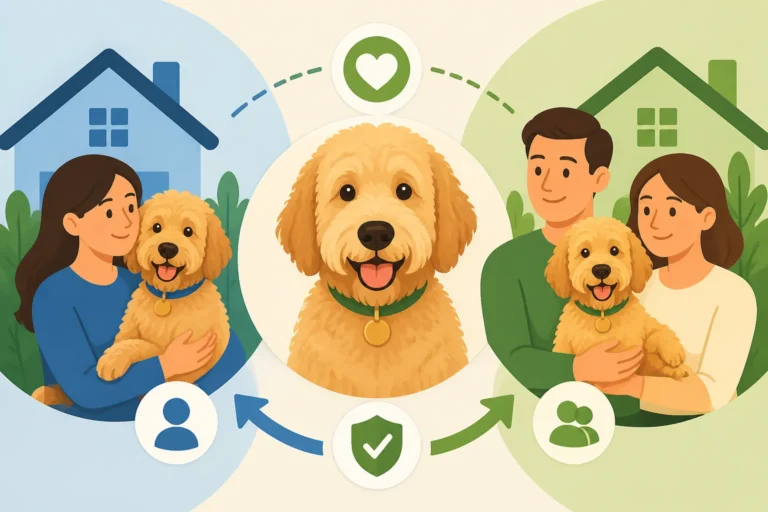
What the Doodle Rescues Charge for a Labradoodle
It’s natural to wonder about the financial commitment when considering bringing a new furry family member home, especially when you're looking at adopting from a rescue. Many prospective Labradoodle owners often assume rescue dogs are free or come with minimal fees, only to be surprised by adoption costs that can sometimes feel substantial. This guide aims to demystify what doodle rescues typically charge for a Labradoodle, helping you understand where those fees come from and the incredible value they represent in supporting these vital organizations and the dogs they care for.
Understanding Rescue Adoption Fees for Labradoodles
When you consider bringing a Labradoodle into your home through a rescue organization, one of the first things that comes up is the adoption fee. It’s a common misconception that rescue dogs are "free" or incredibly cheap because they're not coming from a breeder. This often leads to a bit of sticker shock for potential adopters who haven't navigated the rescue world before, and it’s a valid point of confusion. The truth is, these fees are absolutely essential for rescues to continue their life-saving work.
Think of an adoption fee not as a purchase price, but as a contribution towards the extensive care and resources already invested in your future companion. These organizations, often run by dedicated volunteers, shoulder significant expenses for every dog that comes through their doors. From urgent medical treatments to daily food and shelter, the costs add up quickly. The fee you pay helps to offset these expenditures, allowing the rescue to continue pulling dogs from precarious situations, rehabilitating them, and finding them loving homes. It’s a cycle of care that your fee directly fuels, enabling the next dog in need to receive the same chance at a new life.
Why Rescues Charge a Fee
Doodle rescues, much like any animal welfare organization, operate on tight budgets and rely heavily on donations, grants, and, yes, adoption fees. These fees are not designed to generate profit, but rather to recoup some of the considerable expenses incurred in caring for each Labradoodle they take in. When a Labradoodle enters a rescue, it often needs immediate veterinary attention. This could range from routine vaccinations and deworming to more complex medical interventions for injuries, chronic conditions, or emergency surgeries. These costs are often far higher than what a single adoption fee can cover.
Furthermore, rescues invest in more than just physical health. Many Labradoodles arrive with behavioral challenges stemming from neglect, lack of training, or previous traumatic experiences. Addressing these issues requires professional assessment, training resources, and sometimes specialized enrichment to help them decompress and learn appropriate household manners. These programs are vital for ensuring a successful transition into a new home and preventing the dog from being re-surrendered. Without adoption fees, these crucial services simply wouldn't be possible, leaving many deserving dogs without the comprehensive care they need to thrive.
The Difference Between Rescues and Breeders
It’s easy to compare the cost of a Labradoodle from a breeder to the adoption fee at a rescue, but it’s really comparing apples and oranges. A breeder’s price reflects the cost of breeding, raising a litter of puppies, health testing parents, and often a profit margin. With a rescue, you’re not "buying" a puppy from a planned litter; you're providing a home for a dog that, through no fault of its own, found itself in need. The rescue's fee is about sustainability and covering prior expenses, not generating income from a product.
When you adopt, you're embracing a dog with a past, and the rescue has often invested heavily in making that past a little brighter and preparing them for a future with you. This can include extensive vet care, as mentioned, but also foster care, temperament evaluations, and ongoing support. The transparency around these fees is usually very high; rescues are often eager to explain exactly where your money goes. This stands in contrast to some breeders, where the focus might solely be on the initial sale, with little to no ongoing support once the puppy leaves their care.
What Your Adoption Fee Typically Covers
The adoption fee you pay to a doodle rescue is a comprehensive package, designed to ensure your new Labradoodle is as healthy and ready for their new life as possible. It's often surprising to new adopters just how much goes into preparing a rescue dog for placement. These fees aren't just arbitrary numbers; they are carefully calculated to cover the necessities and often some preventative measures, providing immense value to the adopter and peace of mind.
Essential Veterinary Care
A significant portion of any Labradoodle's adoption fee goes directly towards essential veterinary care. When a dog first arrives at a rescue, particularly if it's been found as a stray or surrendered from a difficult situation, it often hasn't seen a vet in a long time, if ever. This means a full veterinary check-up is paramount. This initial exam covers a thorough physical assessment to identify any immediate health concerns. It almost always includes age-appropriate vaccinations, protecting against common canine diseases, and deworming treatments to eliminate internal parasites.
For dogs that have been neglected or are coming from environments where veterinary care was not prioritized, there might be additional, more extensive treatments needed. This could mean addressing skin infections, dental issues, or other ailments that might have gone untreated. Many rescues also perform tests for common infectious diseases. While the adoption fee aims to cover these initial costs, it's worth remembering that some dogs come in with complex, underlying conditions that can far exceed the fee amount. Rescues absorb these higher costs through fundraising, donations, and the collective adoption fees, ensuring every dog gets the care it needs. This foundation of care helps give your new companion a healthy start.
Spay/Neuter and Microchipping
One of the most important aspects covered by a Labradoodle adoption fee is spay or neuter surgery. This is a non-negotiable for almost all reputable rescues, playing a crucial role in controlling pet overpopulation and preventing future unwanted litters. The cost of these surgeries can be significant, especially for larger dogs, and having it included in the adoption fee is a huge financial benefit to new owners. You won't have to worry about arranging or paying for this procedure yourself, which is a major hurdle for many pet owners.
In addition to spay/neuter, microchipping is almost universally included. A microchip is a tiny, permanent form of identification inserted under the dog's skin, vastly increasing the chances of reunification if your Labradoodle ever gets lost. This simple, invaluable procedure provides peace of mind for owners and is a standard practice for responsible pet care. The rescue will typically register the chip for you, or provide instructions on how to do so, ensuring your contact information is linked to your dog's unique ID number. This small detail can make all the difference if your adventurous Labradoodle ever decides to explore beyond the backyard.
Behavioral Assessment and Training Support
Beyond physical health, doodle rescues often invest heavily in assessing a Labradoodle's temperament and providing some foundational behavioral support. When a dog enters a foster home, its foster parents observe its interactions with people, other animals, and various environmental stimuli. This helps the rescue understand the dog's personality, energy levels, and any potential challenges, allowing them to make the best possible match with an adoptive family. This assessment is invaluable, as it gives you a realistic picture of the dog you're bringing home, reducing surprises down the line.
Many rescues also provide resources or basic training support to help with the transition. This might include information on house-training, leash manners, or dealing with common issues like separation anxiety—a challenge some Labradoodles face due to their strong bond with their people. Sometimes, foster parents have already started working on these basics, giving your new companion a head start. In some cases, the adoption fee might even contribute to professional training sessions or resources, especially for dogs with more pronounced behavioral needs. This commitment to holistic care ensures that you're not just getting a healthy dog, but one that is also mentally prepared to become a beloved family member.
Factors Influencing the Cost of a Rescue Labradoodle
The adoption fee for a Labradoodle from a rescue isn't always a flat rate. Several factors can influence the final amount, and understanding these can help you anticipate the financial aspect of your adoption journey. Rescues strive to set fees that cover their costs while remaining accessible, but variations are common.
Age and Health Status
One of the most significant factors influencing a Labradoodle's adoption fee is its age. Puppies, particularly those under six months, often command higher fees. This is partly due to their higher demand but also because young puppies require a different set of initial veterinary care, including multiple rounds of vaccinations and possibly more intensive deworming protocols. Older dogs, especially senior Labradoodles over the age of eight, typically have lower adoption fees, if any at all. This is often an incentive to encourage adopters to open their homes to older companions who are frequently overlooked. While an older dog might have lower initial fees, adopters should be prepared for potential ongoing vet expenses related to age, which is why considering What a Labradoodle Owner Should Watch For After Eight is wise.
The health status of the Labradoodle also plays a crucial role. A dog that has arrived at the rescue needing extensive medical intervention – perhaps recovering from an injury, undergoing specialized treatments, or managing a chronic condition like Addison's Disease – may still have a similar adoption fee to a healthier dog. This is because rescues operate on a pay-it-forward model: the fees from healthier, more easily adoptable dogs help subsidize the costly care for those with greater needs. However, sometimes a rescue will offer a lower "special needs" fee if a dog has ongoing medical requirements, acknowledging the future financial commitment the adopter will undertake. It's always best to inquire about a dog's full health history and any anticipated long-term care needs.
Breed and Demand
The breed itself, and the demand for that breed, can significantly impact adoption fees. Labradoodles, being a popular "designer" breed, are often in high demand, and this can be reflected in their adoption fees compared to more common mixed breeds. Rescues know that people are actively seeking out these specific types of dogs, and pricing them somewhat higher helps to ensure serious inquiries and generates more funds to care for all the dogs in their charge. This doesn't mean the rescue is trying to profit, but rather leveraging the popularity to support their mission.
It's also worth noting that "doodle-specific" rescues, like What Doodle Rock Rescue Charges for a Labradoodle or What IDOG Rescue Asks for a Labradoodle, may have a slightly different fee structure than a general all-breed rescue. These specialized rescues often deal with Labradoodles who have specific needs related to their breed, such as extensive grooming requirements (which can be a reason for surrender) or inherited health conditions. The demand ensures that while the fees might be on the higher end for rescue dogs, they are still typically considerably less than purchasing a puppy from a breeder, especially when you factor in all the vetting already completed.
Regional Variations
Just like the cost of living varies across the country, so too can the typical adoption fees charged by rescues. Rescues operating in areas with higher veterinary costs, higher administrative overheads, or a larger influx of needy animals might need to set their fees slightly higher to cover their operational expenses. For instance, a rescue in a major metropolitan area might have different costs than one in a rural setting.
It's also common for rescues to transport dogs from areas with high euthanasia rates or overcrowded shelters to regions where demand for adoptable dogs is higher. If a Labradoodle has been transported across state lines, the adoption fee might include a portion to cover the transportation costs, health certificates, and any additional vetting required for interstate travel. These logistical expenses, while often unseen by the adopter, are crucial for saving lives and bringing dogs to available homes. Therefore, if you're looking at a Labradoodle that has traveled a distance to get to its foster home, don't be surprised if the fee reflects some of those necessary costs.
Typical Adoption Fee Inclusions vs. Ongoing Costs
To really understand the value of an adoption fee, it helps to see what it typically covers compared to the expenses you’d face if you acquired a dog through other means or once the initial adoption is complete. Rescues aim to give you a dog that is as "ready" as possible, reducing immediate financial burdens.
| Item | Covered by Adoption Fee (Usually) | Ongoing Cost (Post-Adoption) |
|---|---|---|
| Spay/Neuter Surgery | Yes | No |
| Initial Vaccinations | Yes | Yearly/Triennial Boosters |
| Microchipping | Yes | No (Registration may be extra) |
| Basic Health Check-up | Yes | Regular Vet Visits |
| Parasite Treatment (initial) | Yes | Regular Preventatives |
| Behavioral Assessment | Often Included | No |
| Initial Food Supply | Yes (often a small bag) | Daily/Monthly |
| Grooming | Initial Tidy-up (if needed) | Regular Professional or Home Grooming |
| Training | Sometimes basic support/resources | Professional Training (optional) |
| Collar/Leash | Sometimes | As needed |
| Toys & Supplies | No | As needed |
| Pet Insurance | No | Monthly Premiums |
Additional Expenses After Adopting a Labradoodle
While an adoption fee covers many upfront costs, bringing a new Labradoodle home always involves additional expenses. It’s important to budget for these so you’re not caught off guard and can provide the best possible environment for your new family member.
Initial Setup Costs
When your rescue Labradoodle first arrives home, you'll need to have certain essential items ready. This includes a sturdy leash and collar or harness, food and water bowls, a comfortable bed, and an appropriate crate if you plan on crate training. Toys are also crucial for enrichment and can help ease the transition by providing comfort and distraction. These initial supplies can add up, especially if you're starting from scratch. Many new owners find themselves making a big first order from retailers like Chewy to get everything their new pup needs, from premium food to durable chew toys.
Beyond the basics, you might consider things like baby gates to dog-proof certain areas of your home, or a car seatbelt/crate for safe travel. Training treats are also a must-have, especially if your Labradoodle is still learning basic manners or you're reinforcing positive behaviors. Remember that a Labradoodle, especially a standard size, will need durable items that can withstand their energy and size. Investing in good quality, long-lasting items initially can save you money in the long run.
Ongoing Health and Grooming
Even with the initial veterinary care covered by the adoption fee, ongoing health and grooming are significant, continuous expenses for any Labradoodle owner. Regular vet check-ups are essential, typically annually, for booster shots and general health monitoring. Preventive medications for fleas, ticks, and heartworm are also year-round necessities. For older Labradoodles, or those with known health issues, vet visits might be more frequent, and medications more costly. This is where investing in pet insurance from providers like Healthy Paws can really make a difference, helping to mitigate the financial impact of unexpected illnesses or accidents. Knowing What Emergency Bloat Surgery Costs a Labradoodle Owner or the cost of treating chronic conditions can make pet insurance an appealing option.
Grooming is another substantial, ongoing expense for Labradoodles. Their unique coats, whether fleece or wool, require regular attention to prevent matting and maintain skin health. This means frequent brushing at home, often several times a week, and professional grooming every 6-8 weeks. A full groom for a Labradoodle can be significant, and owners often underestimate The Yearly Grooming Total on a Standard Labradoodle. If a rescue Labradoodle arrives matted, the initial cost to get their coat healthy again might be higher, and it's a cost many rescues work to cover before adoption. Beyond professional services, you'll need quality brushes, combs, and dog-specific shampoo and conditioner for at-home maintenance.
Finally, food is a daily, recurring expense. Labradoodles, especially larger ones, eat a fair amount, and choosing a high-quality diet, whether kibble, raw, or fresh options like Ollie, is crucial for their long-term health. The cost of food varies widely depending on the brand and type, but it's a line item that should always be factored into your monthly budget.
The Value Beyond the Price Tag
While understanding the financial commitment of a rescue Labradoodle is important, it’s equally crucial to recognize the immense, often immeasurable, value that goes far beyond the adoption fee. When you open your home to a rescue dog, you're not just acquiring a pet; you're becoming part of a larger, incredibly rewarding story.
Saving a Life and Offering a Second Chance
Perhaps the most profound value of adopting a rescue Labradoodle is the act of saving a life and offering a second chance. Many dogs in rescues, including Labradoodles, come from challenging circumstances. They might have been surrendered due to unforeseen life changes by their previous owners, found as strays, or even rescued from neglectful situations. For these dogs, a rescue is often their last hope for a loving home. By choosing to adopt, you are literally giving a deserving animal a new lease on life, a safe haven, and the opportunity to experience the love and stability they deserve.
This act of compassion brings an unparalleled sense of satisfaction and purpose. You're not just getting a dog; you're welcoming a resilient survivor into your family. Many rescue Labradoodles, despite their past, show incredible capacity for love and loyalty, forming deep bonds with their new families. The transformation you witness as they decompress, learn to trust, and blossom in a stable environment is one of the most heartwarming experiences a pet owner can have. It’s a testament to the power of kindness and the incredible spirit of these animals.
Support and Community
One of the often-overlooked benefits of adopting from a reputable doodle rescue is the ongoing support and sense of community you gain. Rescues are deeply invested in the success of their adoptions, and they want to see their dogs thrive in their new homes. This means they often provide a wealth of resources, advice, and a network of experienced volunteers and foster parents who are available to answer questions, offer guidance, and share insights. This support can be invaluable, especially for first-time dog owners or those new to the Labradoodle breed.
Many rescues also foster vibrant communities of adopters through social media groups, events, or newsletters. This allows you to connect with other Labradoodle owners, share experiences, celebrate successes, and even troubleshoot challenges together. This sense of belonging is a wonderful bonus, providing a built-in support system that can make the journey of dog ownership even more enriching. The commitment of these organizations extends far beyond the adoption date; they genuinely care about the well-being of their dogs for their entire lives, a stark difference from many casual sales. Remember, when you adopt, you're not just taking a dog home; you're gaining a partner in their lifelong journey and joining a community dedicated to their welfare.
Disclaimer
This article is for general informational purposes only and does not constitute professional advice. Laws, prices and regulations vary by location and change over time. Consult a qualified professional for guidance on your specific situation.