The Point a Labradoodle’s Owner Has to Decide
There comes a truly heartbreaking moment in every Labradoodle owner's journey when the vibrant, playful companion they've cherished for years begins to show undeniable signs of decline. It’s a gut-wrenching realization that their quality of life might be slipping away, leaving you to wrestle with incredibly difficult decisions about their future. This guide is designed to help you navigate this emotional minefield, from recognizing those subtle yet critical signs to understanding the various options for care and, ultimately, making the most compassionate choice for your beloved furry family member.
Recognizing the Shifting Sands of Your Labradoodle's Well-Being
It’s never just one thing, is it? It’s a collection of small changes that, when pieced together, paint a picture that’s hard to ignore. Your Labradoodle, once a whirlwind of joyful energy, might not be quite as enthusiastic for their morning walk, or perhaps they're taking longer to get up after a nap. These shifts, especially in our Labradoodles who are so adept at charming us, can be easy to dismiss at first. But paying close attention is paramount as they enter their senior years, typically around the age of eight, when you might start observing specific changes in your companion.
Subtle Signs of Diminished Joy
Our Labradoodles are masters of living in the moment, and their joy is usually infectious. When that joy starts to dim, it’s a huge red flag. This isn't about one bad day; it’s a consistent pattern. Think about their daily rituals – the excited tail wag for breakfast, the frantic dash to the door when you grab the leash, the way they used to greet you with a toy in their mouth. Are these moments still there, or are they muted? Maybe they still wag their tail, but it's a slow, tired motion, not the full-body shimmy it once was.
Sometimes, it's about their engagement with the world. A Labradoodle who used to be nose-deep in every scent on a walk might now just amble along, seemingly uninterested. Perhaps they used to love a good game of fetch, but now they retrieve the ball only to drop it a few feet away, unwilling to engage further. They might spend more time isolated, choosing to lie in another room rather than be right in the middle of family activity. This isn't just a mood swing; it's a sign that their internal world might be experiencing discomfort or a lack of mental stimulation they once thrived on. You're trying to figure out what a Labradoodle owner should watch for after eight, and these subtle shifts in attitude are often the earliest indicators.
Physical Manifestations of Decline
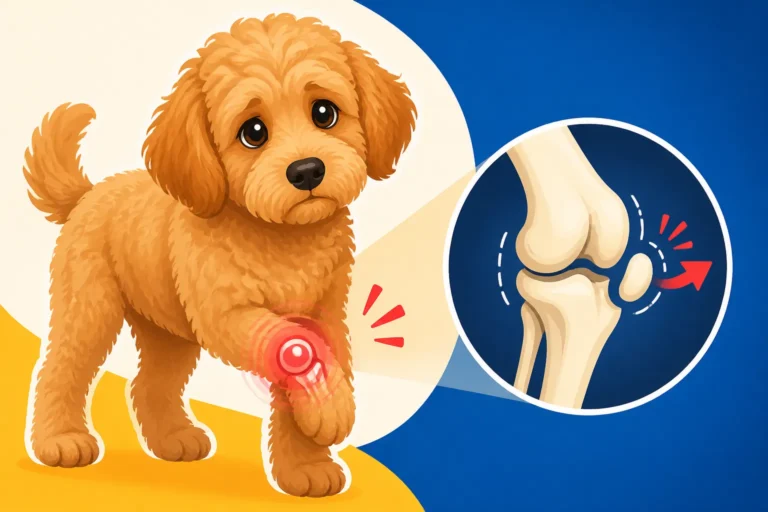
Beyond the emotional shifts, there are often clear physical changes that signal your Labradoodle is struggling. Joint pain is a common culprit. If your Labradoodle is ten years old, you might see signs of arthritis in a Labradoodle at ten. Getting up from a lying position might become a slow, painful process, marked by stiffness or even a slight groan. They might hesitate before jumping on the couch, or refuse stairs they once bounded up. Lameness, even intermittent, should never be ignored. This could range from a slight limp after exercise to a persistent favoring of a limb.
Another thing to watch for is a general decrease in mobility or coordination. Maybe they stumble more often, or their gait becomes wobbly. If you find yourself needing to consider supporting a sixty pound Labradoodle that cannot rise, you've likely already passed many earlier indicators. Additionally, changes in eating or drinking habits can be a major sign. Are they eating less, or more? Are they drinking excessively, or barely touching their water bowl? Weight loss, or conversely, sudden unexplained weight gain, can also indicate underlying health issues. Even changes in their coat quality or persistent skin issues can sometimes point to systemic problems. The goal is to observe these changes without panic, but with a deep sense of awareness and a readiness to act.
Navigating Difficult Conversations: Talking to Your Vet
Once you start noticing these changes, the most crucial next step is to schedule a comprehensive vet visit. This isn't just for a routine check-up; it's about having a frank, open conversation with your veterinarian about your Labradoodle's overall quality of life. Sometimes, we want to hear that everything will be okay, but a good vet will give you the realistic picture, which is what you need to make informed decisions.
Preparing for the Vet Visit
Before your appointment, take some time to jot down all your observations. When did you first notice changes? What specific behaviors or physical symptoms are you seeing? How often do they occur? What seems to make them better or worse? It can be helpful to keep a small journal for a week or two, noting down things like appetite, water intake, bathroom habits, activity levels, pain indicators, and mood. Be honest with yourself about their good days versus their bad days. Is your Labradoodle still enjoying their favorite activities, even if in a modified way? Is the majority of their time spent in comfort, or are moments of discomfort becoming more frequent and severe?
Also, think about what questions you have. Don’t be afraid to ask everything that’s on your mind, no matter how small it seems. Your vet is there to help you understand what's happening. You might want to ask about specific diagnostic tests, potential prognoses, or what kind of quality of life scale they use. Consider your financial situation as well; it's okay to discuss costs and explore options for care that fit your budget, or perhaps investigate if your pet insurance, like Healthy Paws, might cover some of the more extensive treatments. Many pet parents find great comfort in knowing the specifics of their coverage when facing significant medical bills for things like cancer in an older Labradoodle or complex joint surgeries.
Understanding Quality of Life Scales and Prognoses
Your vet will likely discuss your Labradoodle’s "quality of life." This isn't just a subjective feeling; there are actual tools, like HHHHHMM (Hurt, Hunger, Hydration, Hygiene, Happiness, Mobility, More Good Days Than Bad), that veterinarians use to assess a pet's overall well-being. They'll help you look objectively at how much pain your Labradoodle is in, whether they're able to eat and drink comfortably, if they're still able to relieve themselves without struggle, and if they still show interest in life.
A prognosis from your vet can be incredibly hard to hear. It might involve a diagnosis of a chronic, progressive illness, or simply the acknowledgment that your Labradoodle is aging and their body is wearing down. This isn't a prediction of an exact date, but rather an informed assessment of how their condition is likely to progress over time, and what challenges you can expect. This information is critical, not to cause despair, but to empower you to make proactive decisions rather than reactive ones. Sometimes, understanding the prognosis allows you to focus on comfort and joy in their remaining time, rather than chasing cures that might only prolong suffering. These conversations are tough, but they are an essential part of responsible pet ownership.
Exploring Options: Palliative Care, Treatment, or Humane Euthanasia
Once you have a clear understanding from your vet about your Labradoodle’s condition and prognosis, it’s time to explore the paths forward. These typically fall into three broad categories: ongoing treatment aimed at managing or curing a condition, palliative care focused purely on comfort, or humane euthanasia. Each path carries its own emotional weight and considerations.
Aggressive Treatment Versus Palliative Care
For some conditions, like certain types of cancer or new onset illnesses, aggressive treatment might be an option. This could involve surgery, chemotherapy, or long-term medication. It’s important to weigh the potential benefits against the impact on your Labradoodle’s quality of life. Will the treatment itself cause significant discomfort or stress? Will it truly extend their quality lifespan, or just their quantity of days? These are tough questions, and there’s no right or wrong answer for every family. Sometimes, an owner might decide against extensive treatments due to the invasiveness or the impact it would have on their dog's daily happiness. For example, if your Labradoodle is diagnosed with a severe joint issue, you might discuss options ranging from surgery to daily pain management with supplements, like glucosamine, to help arthritis in a Labradoodle at ten.
Palliative care, on the other hand, shifts the focus entirely to comfort. This means managing pain, nausea, anxiety, and ensuring they can eat, drink, and move as comfortably as possible. It’s about making every remaining day as good as it can be. This might involve pain medication, anti-inflammatory drugs, specialized diets, or even complementary therapies like acupuncture or massage. Palliative care can give you precious extra time with your Labradoodle, free from suffering, allowing you to create more loving memories. For conditions like severe cognitive decline in an old Labradoodle, palliative care often focuses on comfort and routine. Insurance providers like Healthy Paws often have different levels of coverage, so it's always wise to review your policy to understand what might be covered under chronic illness management or palliative care. Knowing these details can remove some financial stress from an already difficult time.
When to Consider Humane Euthanasia
This is undoubtedly the most painful decision any pet owner will ever face. Yet, it’s also the ultimate act of love and compassion when all other options have been exhausted, and your Labradoodle’s suffering outweighs their joy. The decision to euthanize is rarely easy, and it’s often accompanied by profound guilt and sadness. However, it's also a final gift you can give your pet: a peaceful, pain-free end to their struggle.
There isn't a single definitive sign that screams "it's time." Instead, it's usually a combination of factors. The quality of life scales discussed earlier can be invaluable here. Are there more bad days than good? Is your Labradoodle no longer enjoying food, walks, or your company? Are they in constant pain that medication can no longer control effectively? Are they struggling significantly with basic functions like eating, drinking, or going to the bathroom? The constant struggle of supporting a sixty pound Labradoodle that cannot rise, or a dog experiencing frequent bouts of severe pain despite medication, can be indicators. Your vet can help you assess these factors objectively. They’ve seen countless pets and families go through this and can offer guidance without judgment, helping you determine if a peaceful passing is the kindest path forward.
Making the Final Decision: Supporting Your Labradoodle and Yourself
Making "the decision" is a deeply personal and emotional journey. It challenges us to put our pet's well-being above our own desire to keep them with us, even for one more day. It's about ensuring their peace, even if it breaks our hearts.
Creating a Peaceful Farewell
Once the decision is made, you have choices in how to say goodbye. Many veterinary clinics offer euthanasia services in a quiet room, allowing you ample time to be with your Labradoodle. Increasingly, mobile veterinarians offer in-home euthanasia, which can be a profoundly peaceful experience for both you and your pet. Being in their familiar environment, surrounded by the people they love, can reduce stress significantly. You can choose to be present for the entire process, or just for the initial sedative phase, which helps them drift off to sleep before the final injection.
Consider who you want to be there. Do you want the whole family, or just one or two primary caregivers? Talk about these preferences with your vet beforehand so they can accommodate your wishes. Allow yourself to grieve. It’s a normal and healthy response to losing such a significant part of your life. There are many resources available, from pet loss support groups to online communities, that can provide comfort and understanding during this incredibly difficult time. Don't be afraid to reach out.
Aftercare Options and Remembering Your Companion
After the euthanasia, you’ll need to consider aftercare for your Labradoodle’s remains. Options typically include cremation (private or communal) or burial. Your vet clinic can guide you through these choices and help make arrangements. Many families choose private cremation, allowing them to bring their Labradoodle’s ashes home in a special urn. Others prefer to bury their pet in a beloved spot, perhaps in their backyard if local regulations allow, or at a pet cemetery.
The grieving process is unique for everyone, and there’s no right or wrong way to feel. Allow yourself to feel the sadness, anger, guilt, and confusion that often accompany pet loss. Remember the joy, laughter, and unconditional love your Labradoodle brought into your life. Consider creating a memorial: a photo album, a garden stone, a donation in their name to a rescue organization like those that handle Labradoodle adoption, or even a piece of custom jewelry. These acts of remembrance can help honor their memory and provide a tangible way to process your grief. Your Labradoodle gave you years of love, and honoring that bond, even in their passing, is a testament to the extraordinary relationship you shared.
| Factor to Consider | Good Quality of Life | Diminished Quality of Life |
|---|---|---|
| Pain Level | Managed well, no obvious discomfort, active. | Persistent limping, groaning, restlessness, reluctance to move, unresponsiveness to pain meds. |
| Appetite & Hydration | Eats and drinks normally, enjoys treats. | Refusal to eat or drink, significant weight loss, vomiting, excessive thirst (or lack thereof). |
| Hygiene | Self-sufficient, clean, comfortable eliminating. | Soiling themselves, difficulty standing to urinate/defecate, discomfort during grooming. |
| Happiness & Engagement | Engaged with family, plays, shows interest in surroundings, tail wags. | Withdrawal, lethargy, no interest in favorite activities/toys, avoids interaction, dull eyes. |
| Mobility | Moves easily, enjoys walks, can navigate stairs/furniture. | Struggles to stand, frequent falls, unable to walk without assistance, significant weakness. |
| Overall Balance | More good days than bad, moments of joy outweigh suffering. | More bad days than good, suffering is frequent and unmanageable, no longer enjoying life. |
Disclaimer
The information provided in this article is for general informational purposes only and is not a substitute for professional veterinary advice. Always consult with a qualified veterinarian regarding your Labradoodle's health, diagnosis, and treatment options. Medical decisions should always be made in consultation with a professional who can assess your specific situation.