The Royal Guide Dogs Program Behind the Labradoodle
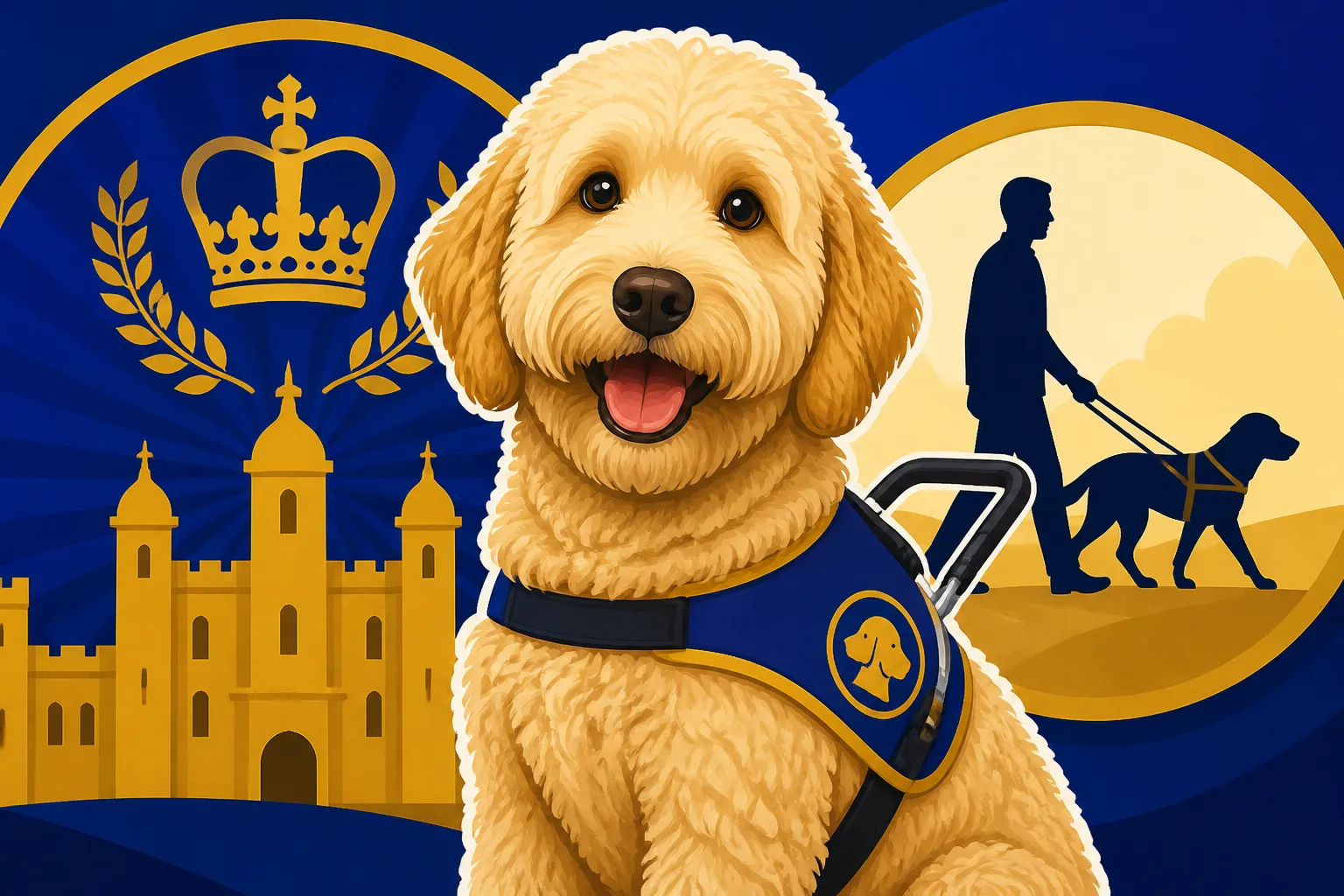
Many people today see Labradoodles as just another "designer dog," a trendy crossbreed. But what often gets lost in the conversation is the truly noble origin story of this beloved canine companion. It all began with a very specific, deeply empathetic mission at the Royal Guide Dogs Association of Australia, aiming to solve a profound problem for individuals with vision impairment who also suffered from debilitating allergies. This guide will explore the pivotal role of that program in the Labradoodle's creation.
The Initial Spark: Why a New Guide Dog Was Needed
Imagine relying on a guide dog for your independence, only to find yourself constantly battling allergic reactions. This was a very real, and incredibly frustrating, dilemma for many vision-impaired individuals in the late 1980s. Traditional guide dog breeds, primarily Labradors and Golden Retrievers, were wonderful companions and skilled assistants, but their shedding coats meant they were simply not an option for those with severe allergies. The need for a hypoallergenic alternative wasn't just a preference; it was a barrier to life-changing assistance.
The Challenge for Allergic Handlers
For an allergic person, living with a shedding dog meant chronic sneezing, itchy eyes, skin rashes, and even asthma attacks. It wasn't just discomfort; it was a constant health issue that could undermine the very independence the guide dog was meant to provide. An allergic handler might have to choose between their health and their need for a guide dog, a heartbreaking choice to make. They couldn't simply take antihistamines and power through; the constant exposure to dander and hair could lead to severe allergic responses, making daily life miserable and potentially dangerous. The thought of bringing a dog into their home, knowing it would make them ill, was a non-starter. This wasn't a minor inconvenience; it was a fundamental obstacle to a better quality of life.
The Search for a Hypoallergenic Candidate
The Royal Guide Dogs Association recognized this significant unmet need. They had a pool of dedicated individuals who desperately needed guide dogs but were routinely turned away due to allergies. They needed a dog with the intelligence, temperament, and trainability of their proven breeds, but with a non-shedding, allergy-friendly coat. This sparked an ambitious search. They considered breeds like the Standard Poodle, known for its intelligence and curly, low-shedding coat, but often perceived as too independent or not robust enough for the rigors of guide work. The challenge was to combine the best traits of existing guide dogs with the essential hypoallergenic quality, without compromising on any other aspect of a working assistance animal. It was a complex genetic puzzle they hoped to solve.
Wally Conron and the Royal Guide Dogs Association
The story of the Labradoodle truly begins with Wally Conron, the breeding manager for the Royal Guide Dogs Association of Australia in the late 1980s. He was tasked with this monumental challenge: to breed a guide dog for a client in Hawaii whose husband was severely allergic. This was no small request; it was a mission that would eventually change the landscape of companion dogs forever.
The Breeding Request That Started It All
The specific request that ignited the Labradoodle project came from Pat Blum, a visually impaired woman in Hawaii. She needed a guide dog, but her husband's extreme allergies meant that a traditional Labrador or Golden Retriever was out of the question. Pat's plea landed on Wally Conron's desk, and he took it very seriously. He understood the profound impact a successful pairing could have, not just for Pat, but for countless others facing similar barriers. Conron initially tried to source a suitable Poodle, given its non-shedding coat, but struggled to find one with the appropriate temperament and working drive needed for guide dog tasks. Poodles, while highly intelligent, sometimes have a more sensitive nature or a different kind of energy that wasn't consistently aligning with the robust, unflappable demeanor required of a guide dog.
The Vision for a Non-Shedding Guide
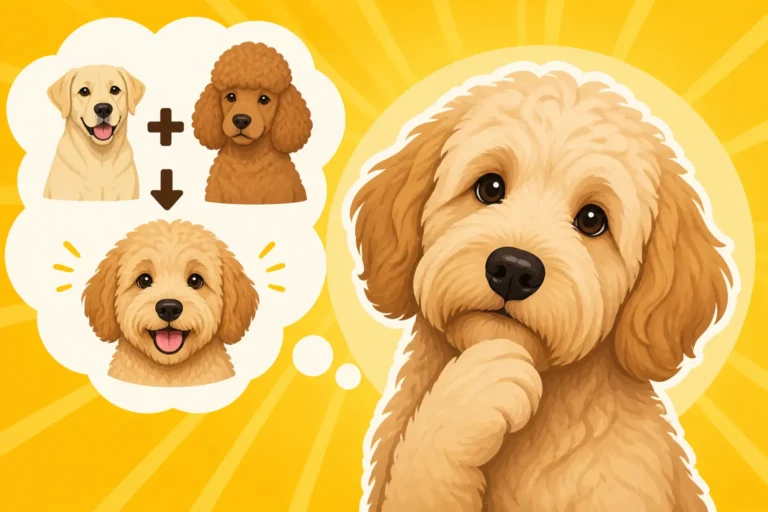
Conron's vision was clear: create a dog that blended the well-established working characteristics of the Labrador Retriever – their eagerness to please, their biddability, their sturdy build, and their calm confidence – with the low-shedding, allergy-friendly coat of the Standard Poodle. He believed that by combining these two breeds, he could achieve a "best of both worlds" scenario. The goal was never to create a trendy pet; it was solely to produce an effective, allergy-friendly guide dog. He wasn't thinking about puppy sales or marketability. He was focused on solving a critical humanitarian need. He envisioned a dog that could navigate busy streets, ignore distractions, and provide unwavering support, all without triggering an allergic reaction in the handler's home. It was an ambitious undertaking, requiring careful selection of parent stock to ensure the right blend of genetics. You can imagine the immense pressure to get this right, knowing the impact it would have.
The First Cross: Labrador Retriever Meets Standard Poodle
With the goal firmly in mind, Wally Conron proceeded with the experimental breeding. He selected a highly performing Labrador Retriever from the guide dog breeding program and a Standard Poodle known for its gentle temperament and excellent health. This union would produce the first litter of what would become known as Labradoodles.
Sultan's Arrival: The Pioneering Labradoodle
From that very first litter, a dog named Sultan emerged as a standout. Sultan was an F1 cross, meaning he was a direct first-generation offspring of a purebred Labrador and a purebred Standard Poodle. Crucially, Sultan inherited the desirable coat qualities from his Poodle parent, making him low-shedding and suitable for Pat Blum, the allergic handler in Hawaii. But he wasn't just allergy-friendly; Sultan also possessed the intelligence, calm demeanor, and trainability that Conron had hoped for, traits often associated with the Labrador side of his heritage. He demonstrated a remarkable aptitude for guide work, proving that the cross had successfully combined the essential elements. Sultan, the Labradoodle That Proved the Idea highlights his significance. His success was a beacon of hope for allergic individuals around the world.
Early Temperament and Trainability Assessments
The early assessments of Sultan and his littermates were rigorous. Guide dog organizations have extremely high standards for temperament. Dogs need to be confident but not aggressive, calm but not lethargic, intelligent but not easily distracted. They must be able to ignore novel stimuli like loud noises, crowds, or other animals, and focus entirely on their handler's needs. The Labradoodles underwent extensive testing for biddability, social behavior, and resilience. Wally Conron and his team observed them closely, looking for the ideal blend of traits. While not every puppy in the litter inherited the perfect balance, Sultan certainly did, demonstrating a natural affinity for learning and an even-keeled disposition that made him an excellent candidate for public access work. His ability to perform tasks like navigating obstacles, stopping at curbs, and maintaining a steady pace, all while remaining unfazed by the bustling world around him, was truly remarkable.
Here's a quick look at the desired traits from each parent breed:
| Trait | Labrador Retriever Contribution | Standard Poodle Contribution | Ideal Labradoodle Outcome |
|---|---|---|---|
| Temperament | Eager to please, biddable | Intelligent, attentive | Biddable, intelligent, calm, confident |
| Trainability | High drive, focused | High intelligence, quick learner | Highly trainable, adaptable |
| Coat Type | Shedding, double coat | Non-shedding, curly | Low-shedding, allergy-friendly fleece/wool |
| Physical Sturdiness | Robust, athletic, medium-large | Graceful, athletic, medium-large | Sturdy, adaptable to varied environments |
| Social Behavior | Friendly, outgoing | Reserved, loyal | Affectionate, good with people |
The Unexpected Outcome: Public Demand and the "Doodle" Craze
While the Royal Guide Dogs program had a very specific, altruistic goal, the news of the "Labradoodle" quickly spread beyond the walls of the guide dog association. What Conron had created for a niche need soon became a sensation, leading to unforeseen consequences.
The Challenge of Managing Popularity
The moment the public heard about a "hypoallergenic guide dog," demand skyrocketed. People who loved the idea of a Labrador's friendly nature but couldn't tolerate the shedding, or who admired a Poodle's intelligence but preferred a less formal look, were instantly captivated. Suddenly, the Labradoodle was no longer just a working dog prototype; it was a highly sought-after pet. This surge in popularity, unfortunately, led to a rapid proliferation of breeders, many of whom were not guided by the same ethical principles or health testing standards as the original program. The market became flooded with puppies bred solely for profit, with little regard for temperament, health, or even true hypoallergenic qualities. This rapid, uncontrolled breeding diluted the very qualities Conron had worked so hard to establish. It became a significant concern for those who genuinely cared about the welfare and future of the Labradoodle. For new owners looking for information, reliable sources like Chewy offered a starting point for basic supplies, but couldn't vet breeders.
Why Guide Dog Programs Shifted Focus
Despite the initial success with dogs like Sultan, the Royal Guide Dogs program, and others worldwide, ultimately moved away from the Labradoodle as a primary guide dog breed. One significant reason was the lack of predictability in the F1 crosses, and even subsequent generations. While some Labradoodles inherited the ideal non-shedding coat and excellent temperament, many others did not. Predicting which puppies would be truly allergy-friendly, or which would possess the unwavering focus and calm demeanor required for guide work, proved consistently challenging. The variability made it difficult to scale up a reliable breeding program for assistance dogs. Why Assistance Programs Moved Away From the Labradoodle delves deeper into these complexities. Furthermore, the explosion of backyard breeding made it harder for legitimate guide dog organizations to maintain quality control or distance themselves from the negative connotations that began to emerge around poorly bred "Doodles." Ultimately, they found more consistent results by refining their existing purebred Labrador and Golden Retriever lines or exploring other purpose-bred crosses with more predictable outcomes.
The Lasting Legacy of the Program
Even though the Royal Guide Dogs program no longer primarily uses Labradoodles, their groundbreaking work left an indelible mark on the canine world. The initial cross not only solved a critical problem for one handler but also inspired new approaches to breeding and the development of a distinct new type of dog.
The Australian Labradoodle's Evolution
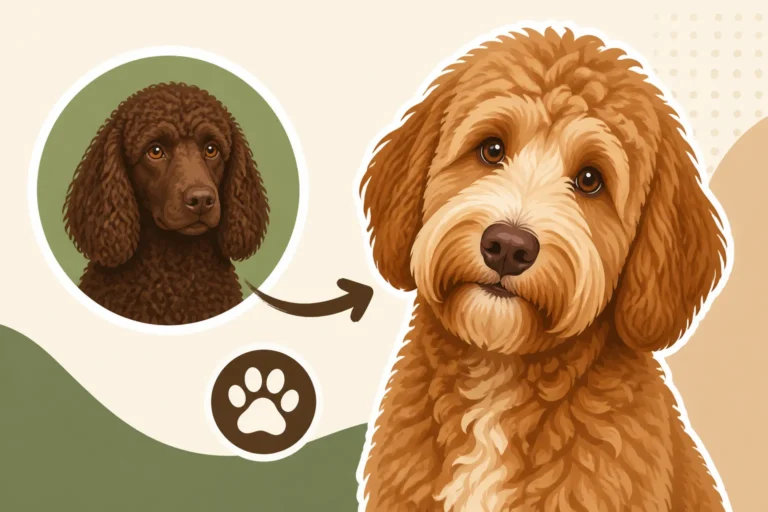
The concept of the Labradoodle didn't disappear when guide dog programs moved on. Instead, dedicated breeders, particularly in Australia, took the initial idea and ran with it, but with a different methodology. They recognized the potential and aimed to create a more consistent, predictable companion. This led to the development of what is now known as the Australian Labradoodle. This isn't just a Labradoodle bred in Australia; it's a multigen breed that carefully incorporated other breeds like the Irish Water Spaniel and Cocker Spaniel into its lineage to solidify desired traits such as coat type, temperament, and conformation. The goal was to breed true, meaning puppies would consistently exhibit the desired characteristics across generations, rather than the unpredictable "genetic lottery" of earlier F1 crosses. Why an Australian Labradoodle Is Not a Labradoodle explains this distinction in detail. These dedicated breeders focused on extensive health testing and careful selection to create a consistent, healthy, and allergy-friendly dog, moving beyond the simple F1 cross. This meticulous approach often means that essential supplies, from high-quality food to grooming tools available from stores like Chewy, are carefully chosen to support their specific needs.
Lessons Learned for Future Breeding Programs
The story of the Labradoodle, from its humble beginnings as a solution for an allergic guide dog handler to its explosion in popularity and subsequent challenges, offers invaluable lessons for all breeding programs. It underscored the importance of:
- Purpose-driven breeding: Starting with a clear, specific goal, as Wally Conron did, is crucial.
- Predictability and consistency: For working dogs, consistent temperament and physical traits are paramount. The variability of early Labradoodles highlighted this challenge.
- Ethical considerations: The rapid commercialization demonstrated the dangers of breeding without strict health and temperament protocols, leading to dogs with unforeseen issues.
- Health testing: The parent breeds of the Labradoodle, the Labrador and Poodle, are prone to certain genetic conditions. The need for comprehensive health testing, such as hip and elbow evaluations, and eye clearances, became even more apparent as the breed gained popularity. The prcd-PRA Test Both Labradoodle Parents Need and Hips and Elbows in a Sixty Pound Labradoodle are prime examples of the vital tests that ethical breeders must conduct to ensure the long-term health of their lines.
The Royal Guide Dogs program may not use Labradoodles anymore, but their initial experiment inadvertently paved the way for a deeper understanding of genetics in crossbreeding and ultimately contributed to the evolution of the Australian Labradoodle, a breed cherished by many families for its unique combination of traits.
Disclaimer
This article is for general informational purposes only and does not constitute professional advice. Laws, prices and regulations vary by location and change over time. Consult a qualified professional for guidance on your specific situation.