Ear Infections Built Into a Labradoodle’s Drop Ear
Few things are as frustrating for a Labradoodle owner as the relentless cycle of ear infections. You clean, you medicate, you think you've finally got it under control, only for the tell-tale head shaking and scratching to start all over again, often accompanied by that distinct, unpleasant odor. It’s not just a minor inconvenience; it’s a source of real discomfort for your beloved companion and a drain on your time and finances. This comprehensive guide will delve deep into why Labradoodles are so prone to these persistent ear issues, exploring the unique anatomical features that set them up for trouble, outlining the common causes, teaching you how to spot the signs, and providing detailed strategies for prevention and treatment to help your furry friend find lasting relief.
The Anatomy of a Labradoodle's Ear – A Recipe for Trouble
If you’ve ever wondered why your Labradoodle seems to spend half its life battling ear infections, the answer often lies in their unique ear anatomy. Unlike dogs with upright, open ears, Labradoodles inherit a combination of structural quirks from their Poodle and Labrador lineage that unfortunately makes their ears a perfect breeding ground for all sorts of trouble. It’s not a flaw in their character; it’s simply how they’re built, and understanding this design is the first step to proactive care.
The Pendulous Drop Ear
One of the most defining characteristics of a Labradoodle’s ear is its pendulous, floppy nature. These ears hang down, covering the opening of the ear canal like a curtain. While undeniably adorable and contributing to their endearing expression, this design significantly restricts airflow into the ear canal. Imagine trying to air out a damp, enclosed space without opening a window – it's a constant battle against stagnation.
The way these ears sit means that fresh air struggles to circulate deep inside the canal. Airflow is crucial for keeping the ear canal dry and healthy, as it helps evaporate any moisture that gets in. With limited ventilation, the inner ear remains perpetually warm and humid. This warm, moist, dark environment is precisely what yeast and bacteria love, turning your Labradoodle's ear into a cozy, albeit problematic, microbial spa. For many owners, it feels like fighting a losing battle, but knowing this fundamental anatomical fact helps explain a lot.
The Hair-Lined Ear Canal
Adding another layer of complexity to the Labradoodle's ear conundrum is the dense hair growth found deep within the ear canal itself. This trait is predominantly inherited from their Poodle side, a breed renowned for its continuous hair growth. While a "non-shedding" coat is often a desired trait in a Labradoodle, this persistent hair growth doesn't just stop at the outer layer of their fur. It extends right down into the ear canal, creating a fuzzy, labyrinthine pathway.
This profusion of hair acts like a net, trapping everything you don't want in your dog's ears: moisture from baths or swims, environmental debris like dust and pollen, and even naturally produced earwax. Instead of these substances making their way out of the ear naturally, they get caught in the dense hair, forming clogs and creating a damp, nutrient-rich environment for opportunistic pathogens to flourish. It’s like a tiny, furry dam holding back a flood of potential infection, making it clear why so many owners grapple with the question of whether a Labradoodle's ear hair causes its infections.
Deep and Narrow Canals
Beyond the floppy ears and the abundant hair, a Labradoodle's ear canals themselves can be structurally deeper and narrower compared to many other breeds. This characteristic can vary between individual dogs, but it's another factor that contributes to their susceptibility to ear infections. A long, winding, and constricted ear canal presents significant challenges for both natural ventilation and effective cleaning.
When the canal is deep and narrow, it exacerbates the issues caused by the drop ear and excess hair. Air circulation is further impeded, and it becomes incredibly difficult for any trapped moisture or debris to escape. For owners trying to perform home cleanings, reaching deep enough to thoroughly clear the canal without causing irritation can be a real struggle. Similarly, veterinary-prescribed ear medications may not penetrate as effectively to the deepest parts of the infection, making treatment more prolonged and potentially less successful in the short term. This combination of factors means that even a minor issue can quickly escalate into a full-blown, stubborn infection, making proper care of such a unique structure vital.
Common Culprits Behind Labradoodle Ear Infections
Understanding the unique ear anatomy of a Labradoodle is just one piece of the puzzle. To truly tackle and prevent ear infections, we also need to pinpoint the specific factors that trigger these issues. It's rarely just one thing; often, it's a perfect storm of environmental conditions, internal predispositions, and the inevitable presence of opportunistic microorganisms that turn a healthy ear into an inflamed, painful mess. As owners, being aware of these common culprits empowers us to take targeted action.
Moisture and Humidity
Without a doubt, moisture is one of the biggest enemies of a Labradoodle's ears. Given their heritage, many Labradoodles absolutely adore water – whether it's a dip in the lake, a romp in the rain, or just their regular bath time. While these activities are wonderful for their physical and mental well-being, they introduce a significant risk factor for ear infections. Water easily seeps into the ear canal, and due to those pendulous ears and hairy passages we just discussed, it struggles to evaporate.
This trapped moisture creates an ideal, humid microclimate that acts as an incubator for bacteria and yeast. What starts as a harmless splash can quickly turn into a thriving colony of pathogens if the ears aren't thoroughly dried. Even living in a humid climate, regardless of water activities, can contribute to moisture buildup within the ear canal, keeping the environment perpetually damp. Many owners report a direct correlation between a swim session and the onset of an ear infection, highlighting the critical importance of a diligent post-water routine for drying a Labradoodle's ears after water.
Allergies as a Root Cause
It might surprise some owners to learn that what often presents as a recurring ear infection is, in fact, a secondary symptom of an underlying allergy. Labradoodles, like many breeds, can be prone to both environmental allergies (atopy) and food allergies. When a dog has allergies, their immune system overreacts to otherwise harmless substances, leading to inflammation throughout the body, and the skin – including the delicate skin lining the ear canal – is often a primary target.
This allergic inflammation makes the ear canal itchy, red, and swollen, altering the natural protective barrier of the skin. It also creates an environment where yeast and bacteria can easily take hold and proliferate, leading to those frustrating, recurrent infections. If your Labradoodle suffers from constant ear issues, especially alongside other symptoms like persistent itching, paw licking, or skin rashes, it's highly probable that allergies are at play. Addressing the underlying allergy is paramount to breaking the cycle of ear infections, and it's a common reason why owners often ask whether repeat ear infections mean a Labradoodle has allergies. Comprehensive pet insurance plans, like those offered by Healthy Paws, can be incredibly beneficial for covering the diagnostics and ongoing management of chronic conditions such as allergies, which can be quite costly over your dog's lifetime.
Yeast and Bacterial Overgrowth
In the right conditions – warm, moist, and dark, often exacerbated by underlying allergies or trapped water – the natural inhabitants of a dog's ear can rapidly overgrow and cause an infection. The two most common culprits are yeast (primarily Malassezia pachydermatis) and various types of bacteria (such as Staphylococcus or Pseudomonas).
Yeast infections often present with a distinct, sweet or musty odor and a greasy, brownish discharge, sometimes described as looking like coffee grounds. Bacterial infections, on the other hand, can produce a wider range of foul odors and discharge that might be yellow, green, or even bloody, depending on the specific bacteria involved and the severity of the inflammation. Both types of infections cause intense itching and pain. It's important to remember that these aren't just isolated events; the anatomical predispositions of the Labradoodle's ear, combined with factors like moisture or allergies, create the perfect storm for these microorganisms to take advantage, leading to chronic discomfort if not managed diligently.
Recognizing the Signs of an Ear Infection
Catching an ear infection early can make a world of difference in your Labradoodle's comfort and the ease of treatment. However, because of their floppy ears and often dense ear hair, the initial signs can sometimes be subtle or hidden. As a vigilant Labradoodle owner, knowing what to look and listen for is crucial. Don't wait until the infection is severe; by then, your dog will be in significant pain and the treatment much more involved.
Behavioral Cues
Your Labradoodle's behavior is often the first indicator that something is amiss with their ears. They can't tell you in words that their ear hurts, but their actions will speak volumes. The most obvious sign is persistent head shaking. This isn't just a casual shake after a yawn; it's often vigorous, repetitive, and aimed at dislodging whatever discomfort they feel inside the ear. You might notice them shaking their head repeatedly even when they haven't just been wet.
Another strong signal is excessive ear scratching. They might use their hind paw to dig relentlessly at the affected ear, sometimes to the point of causing secondary skin abrasions or raw spots. Some dogs will rub their ear along furniture, carpets, or even your leg, desperate to relieve the itch. You might also observe them tilting their head to one side, holding the painful ear lower, or being generally more withdrawn or irritable. If your usually playful Labradoodle seems off, or whines when they accidentally bump their ear, it's definitely time to take a closer look.
Visual and Olfactory Indicators
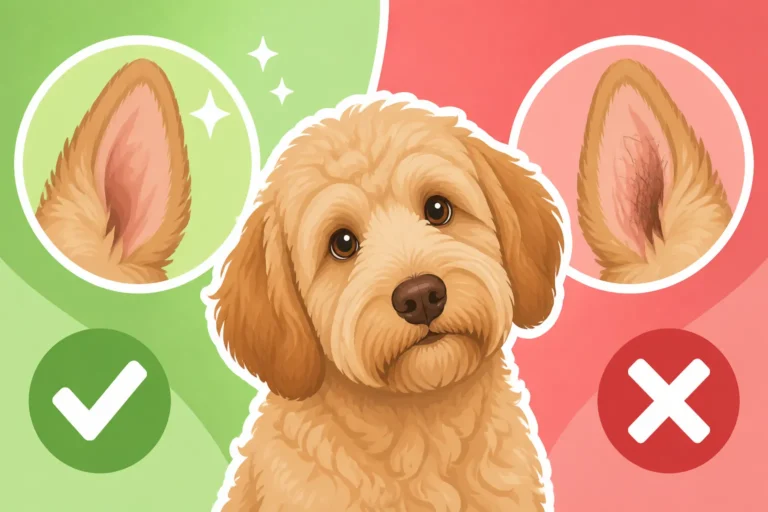
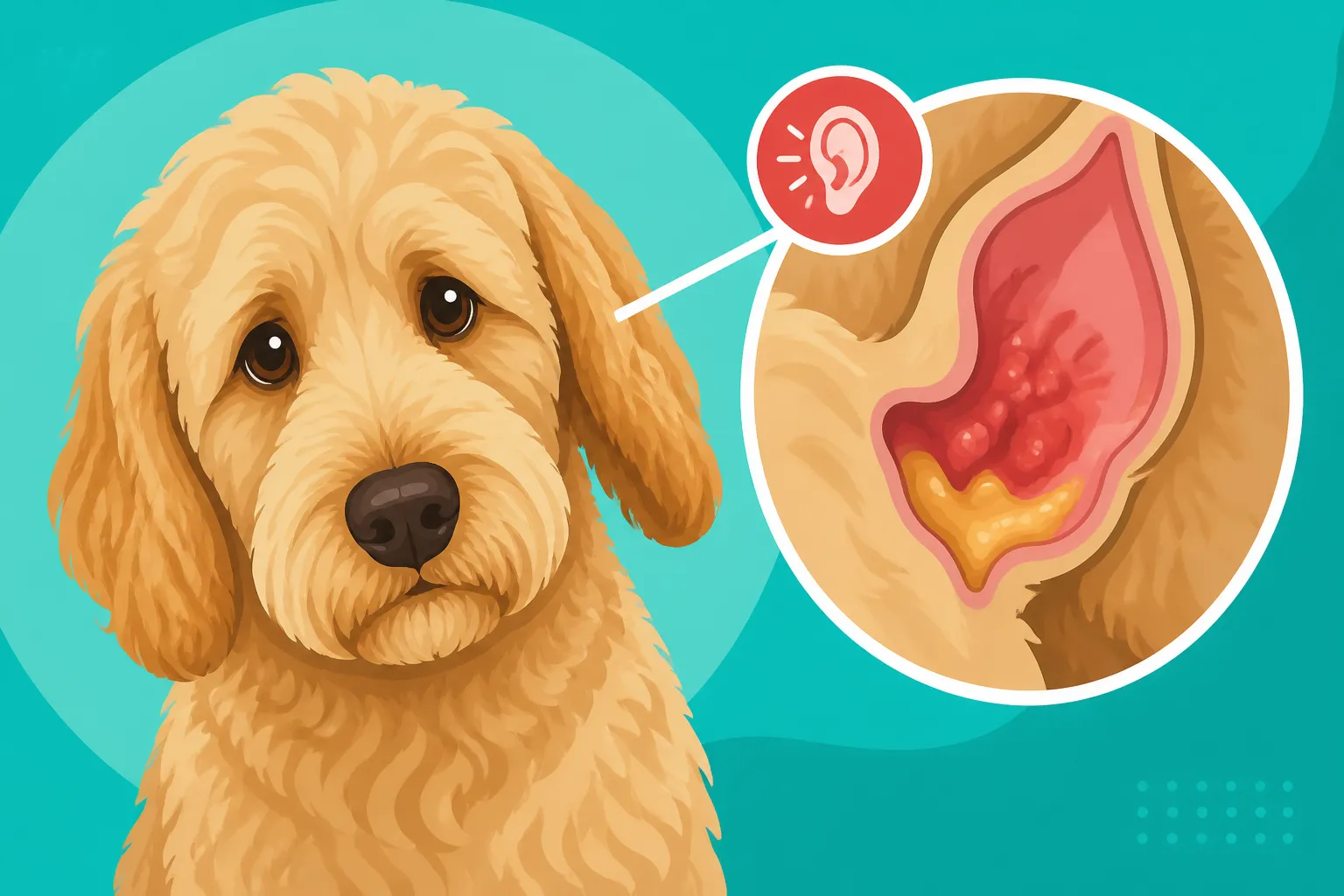
Once you suspect an ear issue based on behavior, a visual and olfactory inspection of the ear itself is the next step. Carefully lift the ear flap and peer into the opening of the canal. What you're looking for are changes that signal inflammation or infection. The skin lining the ear canal might appear redder than usual, perhaps even swollen or inflamed. You might notice discharge, which can vary greatly in color and consistency. It could be dark brown and waxy (often indicative of yeast), yellow or greenish and pus-like (bacterial), or even a bit bloody in severe cases.
Perhaps one of the most undeniable signs of an ear infection is the smell. A healthy ear should have minimal odor. An infected ear, however, can emit a range of unpleasant scents. Yeast infections often have a distinct sweet, yeasty, or corn chip-like odor. Bacterial infections, particularly those involving certain types of bacteria, can produce a foul, putrid smell that is hard to ignore. This odor can sometimes be noticeable even without lifting the ear flap. Remember, a Labradoodle's dense ear hair can sometimes obscure visual signs, so you might need to gently part the hair to get a clear view.
Pain and Sensitivity
An ear infection is not just an irritation; it's a source of real pain for your dog. As the inflammation progresses, the ear canal becomes increasingly sensitive. You might notice your Labradoodle yelping or flinching if you accidentally touch the affected ear, or they might become uncharacteristically defensive or even aggressive when you attempt to examine it. This isn't about them being "naughty"; it's a genuine pain response.
Beyond direct touch, the pain can affect other aspects of their daily life. They might be reluctant to chew on hard toys or even eat kibble, as jaw movements can put pressure on the painful ear. Some dogs might become head shy, avoiding any situation where their head might be touched. If you find your Labradoodle struggling with these activities or exhibiting pain when you gently manipulate their head or neck, it's a clear signal that they are experiencing significant discomfort and require prompt veterinary attention. Early intervention, as with any health issue, is key to preventing prolonged suffering and more complicated treatments.
Home Care vs. Veterinary Intervention
When your Labradoodle starts showing signs of ear trouble, it's natural to wonder whether it's something you can handle at home or if it warrants a trip to the vet. This decision-making process is crucial, as delayed treatment can lead to more severe, chronic issues. While routine cleaning is part of responsible Labradoodle ownership, knowing the line between maintenance and medical intervention is key.
When to Clean and When to Call the Vet
Regular ear cleaning is a cornerstone of preventative care for Labradoodles, especially given their predisposition to ear issues. If you notice a small amount of dark wax, a slight, non-offensive odor, or a little more head shaking than usual after a particularly wet play session, a thorough, gentle cleaning with a vet-approved solution might be appropriate. This falls under routine maintenance. However, if you observe any of the more serious signs we've discussed – intense redness, significant swelling, a strong foul odor, copious discharge (especially yellow, green, or bloody), visible pain when touched, or a sudden change in temperament – then it's time to put down the ear cleaner and pick up the phone to call your veterinarian.
Trying to treat a full-blown infection at home without proper diagnosis can actually worsen the problem, push debris further into the ear, or mask symptoms that would help your vet determine the best course of action. Over-the-counter remedies might offer temporary relief but won't resolve an underlying bacterial or yeast infection, which requires specific medication. For chronic or severe symptoms, always err on the side of caution and seek professional veterinary advice.
Effective Ear Cleaning Techniques
For routine maintenance and gentle post-water care, mastering the art of effective ear cleaning is indispensable for a Labradoodle owner. First, gather your supplies: a veterinarian-approved ear cleaning solution (avoid harsh chemicals or homemade concoctions), plenty of cotton balls or gauze pads (never Q-tips, as they can push debris deeper), and some treats for positive reinforcement. It's often helpful to warm the ear cleaner slightly by placing the bottle in warm water for a few minutes; this makes it more comfortable for your dog.
Gently lift your Labradoodle's ear flap and hold it up, exposing the ear canal. Place the tip of the cleaner bottle just inside the opening of the canal and fill the canal until liquid is visible. Don't be shy; you need enough solution to dislodge debris. Then, massage the base of the ear vigorously for about 30 seconds. You should hear a squishing sound, indicating the solution is working its way down the canal. After massaging, allow your dog to shake their head – this is vital for bringing debris and excess solution to the surface. Finally, use a fresh cotton ball or gauze wrapped around your finger to wipe away all visible discharge and solution from the outer ear and the accessible parts of the canal. Repeat if necessary until the cotton comes out clean. Always praise and reward your dog, making it a positive experience. Remember, thoroughness is key, especially after activities like swimming; neglecting to properly dry a Labradoodle's ears after water can quickly lead to problems.
Understanding Veterinary Diagnosis and Treatment
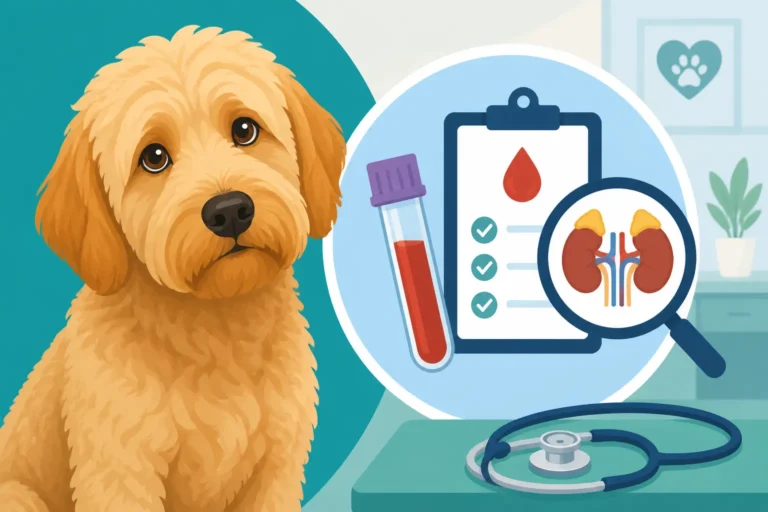
When you do take your Labradoodle to the vet for an ear infection, you can expect a thorough examination designed to pinpoint the exact cause and prescribe the most effective treatment. The vet will likely start with an otoscopic exam, using a special instrument to look deep into the ear canal, checking for foreign bodies, polyps, tumors, ruptured eardrums, or excessive buildup. This initial visual inspection provides crucial information.
Next, and perhaps most importantly, the vet will usually perform cytology. This involves taking a swab of the discharge from your dog's ear and examining it under a microscope. This allows them to identify whether the infection is caused by yeast, bacteria (and often the type of bacteria), or a combination of both. In some stubborn or recurrent cases, a culture and sensitivity test might be performed to determine the exact bacterial strain and which antibiotics it is most susceptible to. Treatment typically involves a combination of prescribed topical ear drops or ointments (containing antibiotics, antifungals, and/or steroids) and sometimes oral medications, especially if the infection is deep or severe. It is absolutely vital to administer all medications exactly as prescribed and to complete the entire course, even if the ear appears to be improving, to prevent recurrence and antibiotic resistance. Follow-up appointments are often necessary to ensure the infection has completely cleared.
Proactive Prevention Strategies for Labradoodle Ears
Living with a Labradoodle means embracing their wonderful qualities, but also acknowledging their unique health predispositions, especially when it comes to their ears. The good news is that while ear infections might seem like an inevitable part of Labradoodle ownership, there are many proactive steps you can take to significantly reduce their frequency and severity. Prevention is always better than cure, and with consistent effort, you can help keep your dog's ears happy and healthy.
Regular Grooming and Hair Management
Given that excess hair in the ear canal is a major contributor to infections, regular grooming and proper hair management are paramount. The hair within a Labradoodle’s ear canal, inherited from their Poodle ancestry, can grow quite profusely, trapping moisture and debris. Many professional groomers, and some veterinarians, recommend trimming or gently plucking this hair. However, it’s a nuanced topic, and the approach depends on the individual dog and the groomer's skill. Some argue that plucking can cause micro-traumas to the ear canal skin, leading to inflammation and actually increasing the risk of infection.
A common compromise is to carefully trim the hair visible at the entrance of the ear canal and thin out the deeper hair without aggressive plucking. This allows for better airflow and easier cleaning, without irritating the delicate skin. Discuss this with your groomer or vet to determine the best approach for your specific Labradoodle. What is not debatable is the need to keep the hair around the ear opening trimmed and clean, as excessive hair there can also impede airflow and become matted. Understanding whether a Labradoodle's ear hair causes its infections and whether ear hair should be plucked on a Labradoodle are critical conversations to have with your pet care professionals.
Post-Swim and Bath Routine
Labradoodles often have a natural affinity for water, but every dip in the pool, lake, or even their weekly bath is a potential ear infection trigger. Water trapped in their floppy, hairy ears is a prime ingredient for microbial growth. Therefore, a diligent post-water routine is non-negotiable. Immediately after any water exposure, even a light rain shower, take the time to thoroughly dry your Labradoodle's ears.
Start by gently wiping the outer ear flap and the accessible parts of the ear canal with a clean, soft towel or cotton ball. Follow this up with an ear-drying solution specifically designed for dogs. These solutions often contain agents that help evaporate moisture and slightly acidify the ear canal, creating an environment less hospitable to yeast and bacteria. Apply the solution as directed, massage the base of the ear, and allow your dog to shake their head. For very active swimmers, consider using ear protection like snoods or earplugs during water activities. Consistent adherence to cleaning a Labradoodle's ears after swimming is one of the most effective preventative measures you can take.
Dietary and Environmental Allergy Management
If your Labradoodle experiences recurring ear infections despite diligent cleaning and drying, allergies are often the underlying culprit. Managing these allergies is a long-term strategy but incredibly effective in breaking the cycle of ear problems. This might involve a multi-pronged approach. First, work with your vet to identify potential allergens. For food allergies, this typically means conducting an elimination diet trial, where your dog eats a novel protein or hydrolyzed protein diet for several weeks to see if symptoms improve. If so, gradually reintroducing ingredients can help pinpoint the specific trigger.
For environmental allergies (like pollen, dust mites, or molds), management can be more complex. Options include medications (antihistamines, corticosteroids, or newer immunomodulatory drugs), immunotherapy (allergy shots or oral drops that desensitize the dog to allergens), frequent bathing with medicated shampoos, and minimizing exposure to known triggers in your home environment (e.g., using air purifiers, frequent vacuuming). Since treating and managing chronic allergies can involve extensive diagnostics, specialized diets, and ongoing medications, investing in a robust pet insurance policy, such as those offered by Healthy Paws, can provide invaluable financial support. They can help cover the costs associated with diagnosing and treating these persistent issues, allowing you to focus on your Labradoodle's health without the added financial stress. This proactive approach to addressing allergies behind a Labradoodle's itching can significantly reduce the incidence of ear infections.
The Long-Term Impact of Chronic Ear Infections
While a single ear infection can be painful and annoying, chronic or recurrent ear infections can have far more serious and lasting consequences for your Labradoodle. It’s not just about repeated vet visits and medication; prolonged inflammation and infection can lead to permanent damage, impact their overall well-being, and, in severe cases, require invasive surgical intervention. Understanding these potential long-term effects underscores the importance of diligent prevention and prompt, effective treatment.
Structural Damage and Hearing Loss
Left untreated or poorly managed, chronic ear infections can cause irreversible structural changes within the ear canal. The persistent inflammation leads to a thickening of the tissues lining the canal, scar tissue buildup, and in some severe cases, calcification (hardening) of the ear canal walls. This further narrows the ear canal, creating an even more restrictive environment that traps moisture and debris, exacerbating the cycle of infection. It becomes a vicious circle where the infection causes structural changes, which in turn make future infections more likely and harder to treat.
Over time, this continuous inflammation and structural alteration can also damage the delicate structures of the middle and inner ear. This can lead to partial or even complete hearing loss in the affected ear. While dogs are remarkably adaptable and can often compensate for unilateral hearing loss, it undeniably impacts their quality of life, their ability to respond to commands, and their overall interaction with their environment. Preventing this kind of damage is a key reason why early and consistent management is so vital.
Behavioral Changes and Quality of Life
Imagine living with a constant, throbbing earache. That’s essentially what your Labradoodle endures with chronic ear infections. The persistent pain and discomfort can significantly impact their behavior and overall quality of life. Dogs suffering from chronic ear pain might become irritable, withdrawn, or even aggressive, especially if their head or ears are touched. They might avoid social interaction, become less playful, and lose interest in activities they once enjoyed.
The continuous itching and head shaking are not only uncomfortable but can also be disruptive, affecting their sleep and leading to fatigue. Chronic pain can elevate stress levels, potentially leading to other behavioral issues. A Labradoodle thrives on companionship and activity, and an ongoing ear problem can steal much of that joy, transforming a happy-go-lucky companion into a perpetually uncomfortable one. Monitoring their general well-being, alongside yearly screenings for overall health, is a good practice for any Labradoodle owner.
Advanced Medical and Surgical Options
For a small percentage of Labradoodles with severe, end-stage chronic ear disease that doesn't respond to any medical management, advanced medical or surgical interventions may become necessary. One such surgical procedure is a Total Ear Canal Ablation (TECA) with Bulla Osteotomy. This is a radical surgery where the entire diseased ear canal is removed, and the middle ear (bulla) is opened and cleaned. The goal is to eliminate the source of chronic infection and pain.
While TECA can be life-changing for dogs suffering from excruciating, intractable ear infections, it is not without significant considerations. It is a major surgery with a substantial recovery period and potential complications, including facial nerve damage (leading to a dropped lip or eyelid), ongoing balance issues (if the inner ear is affected), and, in most cases, complete hearing loss in the operated ear. This is truly a last resort, considered only when all other options have been exhausted and the dog's quality of life is severely compromised by pain. The cost of such specialized surgeries can be very high, often thousands of dollars. This is another area where having comprehensive pet insurance from a provider like Healthy Paws can offer crucial financial protection, making it possible for owners to afford these life-altering procedures when their Labradoodle needs them most.
Ear Health Checklist for Labradoodles
To help you stay on top of your Labradoodle's ear health, here's a quick checklist of signs to watch for and preventative actions to take. Use this as a guide for your regular check-ups and daily care.
| Category | Signs of Concern (Call Vet) | Preventative Actions (Home Care) | Frequency |
|---|---|---|---|
| Behavior | Excessive head shaking, persistent scratching, ear rubbing, pain when touched, head tilt, irritability. | Gentle ear massages, positive reinforcement during ear handling. | Daily observation |
| Appearance | Redness, swelling, foul odor, yellow/green/bloody discharge, visible debris deep in canal, matted hair around ear opening. | Inspect outer ear flap, gently part hair to look inside. | Weekly, or after water exposure |
| Smell | Strong, foul, yeasty, or unpleasant odor from ear. | No strong odor indicates healthy ear. | Daily observation |
| Moisture/Cleaning | Dampness or excessive wax buildup despite cleaning. | Use vet-approved cleaner, dry thoroughly after water, apply drying solution. | 1-2 times per week, or after baths/swims |
| Grooming | Matted hair around ear opening, dense hair in canal. | Keep outer ear hair trimmed, discuss inner ear hair management with groomer/vet. | Every 4-8 weeks, or as needed |
| Allergies | Persistent paw licking, body itching, skin rashes alongside ear issues. | Consult vet for allergy testing/management, consider hypoallergenic diet. | Ongoing, with vet guidance |
Disclaimer
This guide provides general information about Labradoodle ear health and is not a substitute for professional veterinary advice. Always consult with a qualified veterinarian for any health concerns or before making any decisions about your dog's medical care. Individual results may vary.