Desensitizing a Labradoodle to the Clipper Vibration
It’s a scenario many Labradoodle owners know all too well: you pull out the clippers, and your usually happy-go-lucky companion suddenly transforms into a trembling, cowering bundle of nerves. The whirring sound and strange vibration can be genuinely terrifying for our furry friends, making what should be a routine grooming session feel more like a wrestling match. This guide is here to walk you through a compassionate, step-by-step approach to help your Labradoodle overcome their fear of clipper vibrations, transforming grooming from a battle into a bonding experience.
Understanding the Fear: Why Clippers Are So Scary for Labradoodles
It’s easy to get frustrated when your Labradoodle acts like the clippers are a monster, but it’s crucial to remember that their fear is often very real and rooted in their sensory experience. They aren’t being naughty or stubborn; they are genuinely overwhelmed. Understanding the specific reasons behind their anxiety is the first step toward helping them feel more comfortable.
The Sensory Overload
Imagine a tiny, buzzing, vibrating machine being held right up to your skin. For a dog, especially one with sensitive genetics like the Labradoodle (thanks to that Poodle side!), this can be incredibly unsettling. It’s not just the noise, which can be amplified and startling to their acute hearing, but also the tactile sensation of the vibration against their body. Their fur might transmit the vibrations in an uncomfortable way, and the feeling of the blades moving through their coat can be entirely alien and startling.
Many owners overlook the fact that clippers aren't just loud; they create a unique physical sensation. For a dog that primarily experiences the world through scent and touch, having a strange, noisy, vibrating object pressed against their body can feel profoundly invasive. This sensory overload can trigger a natural fight or flight response, leading to behaviors like cowering, snapping, or trying to escape. They don't understand that you're just trying to keep them neat and healthy; they just know that this thing is scary.
This is especially true for Labradoodles, whose thick, sometimes dense coats require extensive grooming. They often need clippers for body trims, sanitary trims, and even paw pads. If these early experiences are negative, the association between clippers and discomfort becomes deeply ingrained, making future sessions exponentially harder. We owe it to them to make these necessary experiences as pleasant as possible, starting by recognizing the legitimate sensory challenge they face.
Negative Past Experiences
Sometimes, a Labradoodle’s fear isn’t just about the newness of the sensation; it’s about a painful memory. A single bad experience—perhaps a hurried grooming session where their skin was nicked, a mat was pulled too hard, or they were held down too forcefully—can create a lasting trauma. Dogs, much like people, can form strong negative associations very quickly, and they don't forget easily. If the clippers once caused pain or intense discomfort, they will naturally try to avoid that experience again at all costs.
Consider a rescue Labradoodle who might have come from a neglectful situation where their coat was severely matted. The process of removing those mats, even with the kindest groomer, can be inherently uncomfortable or even painful, leading to a deep-seated fear of clippers. Even if you, their new loving owner, have never caused them harm, they will project that past fear onto the tool itself. This makes building trust even more critical and requires immense patience and empathy.
It’s also possible that an owner, unknowingly, contributed to the fear. In an attempt to get a necessary trim done, they might have rushed, held their dog too tightly, or expressed their own frustration, inadvertently adding to the dog's stress. The dog then associates the clippers not just with an unpleasant physical sensation but also with emotional tension from their human. Breaking these cycles of fear and negative association is paramount to successful desensitization.
The Importance of Early Introduction
One of the biggest regrets many Labradoodle owners have is not starting grooming desensitization early enough. A puppy's brain is incredibly malleable, and positive experiences during this critical developmental window are invaluable. If a Labradoodle puppy isn't introduced to the clippers (and all other grooming tools) in a gentle, positive way from a young age, the likelihood of developing fear later on increases dramatically.
Waiting until your Labradoodle is a year old, with a dense, potentially matting adult coat, before introducing clippers for the first time is akin to throwing them into the deep end without ever having taught them to swim. Their adult coat is thicker, their body larger, and their ingrained behaviors are much harder to modify. Trying to tackle a severely matted coat on a fearful adult dog is a recipe for disaster, often requiring sedation or multiple stressful sessions. This is why breeders often start Starting Grooming Handling on a Labradoodle Puppy from a very young age.
Early, consistent, and positive exposure teaches them that clippers are nothing to fear; in fact, they can even lead to good things like tasty treats. It lays the groundwork for a lifetime of stress-free grooming, which is essential for a breed like the Labradoodle, known for its high-maintenance coat. Investing time in desensitization when they are young pays dividends for years to come, sparing both you and your dog a lot of heartache.
The Step-by-Step Desensitization Process
Desensitizing your Labradoodle to clipper vibrations is not a race; it's a marathon that requires patience, consistency, and a generous supply of high-value treats. The key is to break down the experience into tiny, manageable steps, ensuring your dog remains comfortable and calm at each stage. If at any point your dog shows signs of stress, you’ve moved too fast, and you need to go back a step.
Introducing the Clipper (Off and Silent)
Before you even think about turning the clippers on, the first step is to simply make the clippers a non-threatening object. Start by placing the clippers in the room where your Labradoodle usually relaxes, allowing them to see and sniff them from a distance. Don't push it; let them approach on their own terms. When they show even a fleeting interest, offer a high-value treat. The goal here is to create a positive association with the mere presence of the clippers.
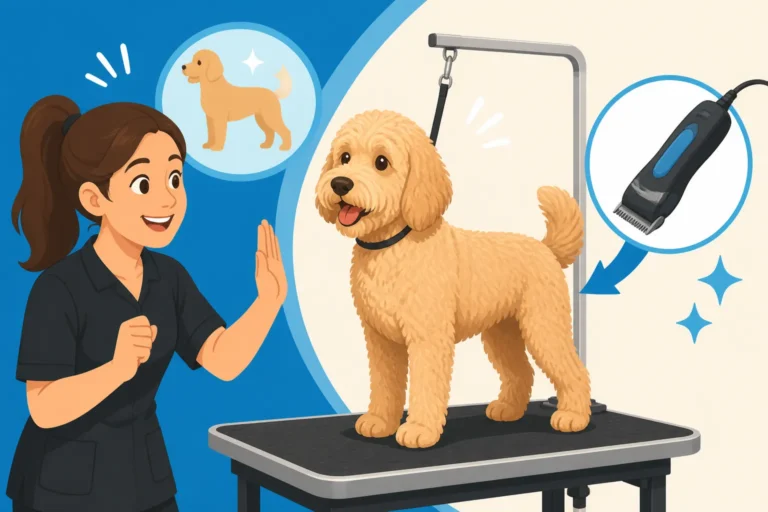
Once they are comfortable with the clippers being in the room, gently pick them up. Still, keep them off. Hold them in your hand and offer your Labradoodle a treat. Then, briefly touch the outside of the clipper (the cool, non-vibrating part) to a less sensitive area of their body, like their shoulder or back, for just a second. Immediately follow with a treat and praise. Repeat this many times, gradually increasing the duration of the touch.
This initial phase is about building a foundation of trust. Your dog needs to learn that the clippers, even in your hand, are not a precursor to something scary. Using a clicker in conjunction with treats can be incredibly effective here, marking the exact moment they tolerate the touch. Remember, we're not asking them to like it yet, just to tolerate it calmly. Building a Labradoodle Up to a Long Grooming Session starts with these small, foundational steps.
Adding Sound Without Touch
Once your Labradoodle is completely relaxed with the clippers being touched to their body while off, it's time to introduce the sound. This is often the trickiest part. Begin by turning the clippers on in another room, or at the furthest possible distance from your dog. The sound should be barely audible to them at first. As soon as you turn it on, start giving them high-value treats. Turn it off, stop the treats. Turn it on, treats. This creates a powerful positive association: clipper sound equals delicious things!
Gradually, over several sessions, reduce the distance between your Labradoodle and the running clippers. The goal is to get to a point where the clippers can be on, at their full volume, in the same room as your dog, and they remain calm, perhaps even looking expectantly for treats. If they show any signs of fear – head turning away, ears flattening, tail tucking, or trying to move away – you’ve brought the clippers too close, too fast. Move them further away and continue at a distance where your dog is comfortable.
During this stage, you can also consider quiet cordless clippers, which often produce less noise and vibration, especially for smaller trims. Some popular brands found on Amazon offer options specifically designed for lower noise levels. This can make the transition much smoother. The Clipper, Blade and Dryer a Labradoodle Owner Buys is a good resource for exploring different options. The patience you invest in this phase will make all the difference when you move to actual contact.
Gradual Introduction of Vibration and Touch
Now for the real challenge: combining the sound and vibration with physical contact. With the clippers on, start by touching them very briefly to your Labradoodle’s paw pads or nails. These areas are often less sensitive than their body or face. Touch for a split second, then immediately remove the clippers and offer a super high-value treat. Repeat, repeat, repeat. Each touch should be brief, gentle, and always followed by a reward.
As your dog tolerates this, slowly increase the duration of the touch. Move to other less sensitive areas, like the top of their shoulder or along their back, always paying close attention to their body language. The moment you see any tension, pause, revert to a previous, easier step, and re-establish comfort. Never force it. If your Labradoodle shows distress, stop the session and try again later, or even the next day. This process can take weeks, or even months, but rushing it will only set you back further.
Remember to keep sessions short and positive, ending on a good note before your dog becomes overwhelmed. Five minutes of calm, positive exposure is far more effective than an hour of forced, stressful grooming. Consider using a Lickimat smeared with peanut butter or cream cheese (always check for xylitol!) to keep them happily distracted during brief touches. This kind of cooperative care is key to Teaching a Labradoodle to Lie Still for a Ninety Minute Groom, which is a significant achievement for any Labradoodle.
Practical Tips and Tools for Success
Desensitization isn't just about the steps; it's about the entire environment and the tools you use. Creating a positive, supportive atmosphere and choosing the right equipment can significantly enhance your chances of success.
High-Value Rewards and Positive Reinforcement
The cornerstone of successful desensitization is positive reinforcement. This isn't just about bribing your dog; it's about teaching them that the presence of clippers, even the sound and vibration, predicts wonderful things. You need to use rewards that are so irresistible they outweigh any fear your Labradoodle might have. Think cooked chicken, small pieces of cheese, salmon paste, or peanut butter. Dry kibble usually won't cut it for this level of anxiety.
Every single positive interaction with the clippers, no matter how small, should be met with a reward. Acknowledge and praise their bravery, even if it's just a moment of stillness. Programs like BAXTER & Bella emphasize positive training methods that are perfectly suited for building confidence and trust in situations like grooming. They teach you how to motivate your dog through reward-based techniques, making the whole process more enjoyable for both of you.
Consistency is also vital. Make positive reinforcement a standard part of all your grooming interactions, not just when you're working on clipper desensitization. Every time you brush them, touch their paws, or clean their ears, pair it with treats and praise. This builds a general positive association with handling, which makes specific tasks like clipping much easier to introduce. How Many Times a Week a Labradoodle Needs Brushing illustrates the importance of routine positive handling.
Choosing the Right Equipment
The tools you use can make a significant difference in your Labradoodle’s comfort level. Investing in a quality, quiet clipper with low vibration is paramount. Many professional groomers and experienced owners recommend cordless clippers as they often have a quieter motor and no cord to get tangled or add to the noise. Look for models that specifically advertise low noise and vibration.
| Clipper Feature | Benefit for Desensitization |
|---|---|
| Low Noise Motor | Reduces auditory stress, especially for sensitive dogs. |
| Low Vibration | Minimizes uncomfortable tactile sensations on the skin. |
| Cordless Design | Quieter operation, no cord to distract or trip. |
| Ceramic Blades | Stay cooler than steel, preventing skin irritation during longer sessions. |
| Multiple Speeds | Allows you to start on a lower, quieter speed. |
Beyond the clippers themselves, consider your grooming setup. A stable grooming table with a non-slip mat provides a secure surface for your Labradoodle to stand on, preventing accidental slips and making them feel more confident. A good restraint (like a grooming arm with a loop) can keep them safely in position without being overly restrictive, allowing you to focus on the task. These items are readily available on platforms like Amazon and can greatly improve the overall grooming experience. Having the right tools won't eliminate the fear entirely, but they can certainly help minimize potential triggers and make the process less intimidating.
Enlisting Professional Help and Maintaining the Routine
Sometimes, despite your best efforts, a Labradoodle's fear of clippers can be so profound that you need a little extra help. Don't hesitate to seek guidance from a professional dog trainer or a groomer who specializes in cooperative care or fearful dogs. These professionals have techniques and experience that can help navigate severe anxiety, often using specialized handling methods or even working in conjunction with your veterinarian if anti-anxiety medication is deemed necessary for initial sessions.
A skilled groomer can often work wonders, approaching the process with calm confidence and a methodical desensitization strategy. They can also provide hands-on demonstrations and coach you through the steps, ensuring you're using the correct technique. For severe cases, What a Groomer Does With a Labradoodle That Will Not Stand might involve working in very short, positive sessions over an extended period.
Even after your Labradoodle has been successfully desensitized, it's crucial to maintain a consistent grooming routine. Regular, positive exposure to clippers, brushes, and other grooming tools will reinforce their comfort and prevent fears from resurfacing. Short, frequent sessions are far better than long, infrequent ones that allow mats to form and fears to rebuild. Remember that this is an ongoing commitment to your Labradoodle's well-being and a testament to the strong bond you share. This long-term commitment directly impacts The Yearly Grooming Total on a Standard Labradoodle, showing the benefits of regular care.
Disclaimer
This article is for general informational purposes only and does not constitute professional advice. Laws, prices and regulations vary by location and change over time. Consult a qualified professional for guidance on your specific situation.