What a Full Groom Costs on a Wool Coated Labradoodle
Oh, the sheer joy of bringing home that fluffy, adorable Labradoodle puppy! You envisioned endless cuddles and happy romps, perhaps not quite prepared for the reality of maintaining that gorgeous, often high-maintenance, wool coat. Many Labradoodle owners find themselves a bit wide-eyed when they first receive the bill for a full professional groom, especially for those beautiful, dense wool coats. This guide is here to walk you through exactly what goes into that "full groom" for a wool-coated Labradoodle, helping you understand the costs involved and what you can expect from your grooming salon.
Decoding the Wool Coat: Why It Demands Special Attention
Let's be honest, that wool coat is a big part of what draws many people to the Labradoodle. It's soft, often doesn't shed much, and has that delightful, cloud-like appearance. But this blessing can also be a significant grooming challenge, and understanding why is the first step to understanding the cost.
The Unique Texture and Density of Wool
Unlike the more open, shaggy fleece coat, or the smoother, shedding hair coat, a wool Labradoodle coat is incredibly dense and curly. Think of it like a sheep's fleece, but softer. This density means there are simply more hairs per square inch, and each strand has a greater tendency to coil and interlock. It's this beautiful characteristic that helps trap dander and reduce shedding, making it popular for those with allergies, but it's also what makes it a magnet for mats.
Imagine trying to brush a giant, fluffy cloud. Every single strand wants to knot up with its neighbor. When your Labradoodle rolls in the grass, walks through damp leaves, or even just sleeps, those curls are constantly trying to bind together. The groomer isn't just dealing with a simple comb-through; they're meticulously separating dense sections of hair, often starting at the skin, to prevent painful matting. This isn't a quick job, and the time spent directly translates into the cost. If you've ever tried to Line Brushing a Labradoodle Coat Needs yourself, you know what I mean!
Matting: The Wool Coat's Nemesis
Matting is the ultimate villain for a wool-coated Labradoodle. These aren't just little tangles; mats are compacted masses of fur that pull at the skin, causing pain, skin irritation, and even infections if left untreated. They can form anywhere, but common culprits are behind the ears, in the armpits, around the collar area, and on the rear and tail. Think about how easily knots form in fine human hair – now multiply that by a thousand with dense, curly dog fur!
A professional groomer will always prioritize the dog's comfort and health. If a wool coat is severely matted, the only humane option might be to shave it completely. This "kennel clip" or "strip down" often costs more than a regular groom because it requires specialized blades, extra time, and immense care to navigate the tight mats without nicking the skin. It’s a painful reality that many owners face, often feeling guilty, but it's sometimes the only way to alleviate discomfort. This is why regular, thorough home grooming is so vital, even between professional appointments. Trying to untangle deep mats at home can be a frustrating, painful experience for both you and your dog, and can sometimes lead to more severe matting if not done correctly.
What a Full Groom Entails for a Wool-Coated Labradoodle
When you book a "full groom" for your wool-coated Labradoodle, you're signing up for a comprehensive spa day that goes far beyond a simple bath and brush. It's a multi-step process designed to keep their coat healthy, clean, and looking its best.
The Pre-Bath Preparations: Brushing and Dematting
Before a single drop of water touches your Labradoodle, the groomer usually spends a significant amount of time on what's called the "pre-bath brush-out." This step is absolutely critical, especially for wool coats. Water will tighten any existing mats, making them nearly impossible to remove without shaving. So, the groomer meticulously brushes through the coat, section by section, starting from the skin.
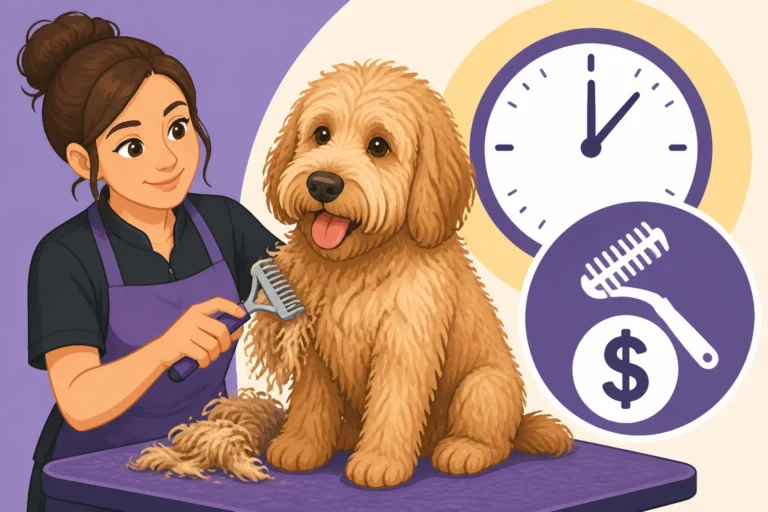
They use a combination of tools: a slicker brush, a metal comb, and sometimes a de-matting rake. They're looking for every single tangle, working them out gently but firmly. This process can be lengthy, particularly if the dog hasn't been brushed regularly at home. If mats are significant, this is where the groomer will often make the call about whether they can be safely brushed out or if a shave-down is necessary. This is also why many groomers charge extra for dematting – it's skilled, time-consuming labor. If you want to know more about preventing these knots, checking out How Long Brushing a Labradoodle Takes Each Week can offer some good insights.
Bathing, Drying, and the Initial Trim
Once the coat is as tangle-free as possible, it's bath time! A good groomer uses high-quality shampoos and conditioners specifically chosen for dog coats, often designed to hydrate and detangle. For wool coats, thorough rinsing is paramount to prevent skin irritation.
The drying process is equally important and often takes longer than the bath itself. Wool coats are notoriously dense and can take ages to dry completely. Groomers use high-velocity dryers to "force dry" the coat, which not only speeds up the process but also helps straighten the hair, making it easier to cut. This intense drying process can take a long time, and a dog who isn't used to it or finds it stressful can make it even longer. After the initial dry, many groomers will do a "fluff dry" with a stand dryer and brush to get the coat perfectly smooth and ready for the final clip.
After drying, the groomer will often do an initial, rough trim to take off some of the bulk before the more detailed styling begins.
The Full Clip and Finishing Touches
This is where the magic really happens and where your Labradoodle starts to look like the picture you envisioned. The groomer uses clippers and shears to sculpt the coat into the desired style, whether it's a popular "teddy bear clip," a shorter "kennel clip," or something in between. For a wool coat, maintaining an even length and a tidy appearance requires skill and an artistic eye. They'll trim the body, legs, tail, and, perhaps most importantly for Labradoodles, the face.
Groomers will carefully trim around the eyes to ensure clear vision, shape the beard and mustache, and tidy up the ears. They'll also trim the sanitary areas and the hair between the paw pads – crucial for preventing mats and improving traction. Finally, they'll attend to the nails, either trimming them or grinding them smooth, and clean the ears. Some will even express anal glands, though this is often upon request or an additional charge. This detailed work takes a lot of time and expertise, contributing significantly to the overall cost. Many owners are surprised by the intricacy of simply Trimming the Hair Between a Labradoodle's Pads.
Factors Influencing the Cost of a Full Groom
The price tag on a full groom for a wool-coated Labradoodle isn't just pulled out of thin air. Several key factors contribute to the final bill, and understanding them can help you budget and manage expectations.
Size, Coat Condition, and Temperament
The size of your Labradoodle is a huge factor. A miniature Labradoodle with a wool coat will almost always cost less to groom than a standard-sized one, simply because there's less dog to groom and less coat to work with. A larger dog means more time, more shampoo, and more physical effort for the groomer.
The condition of the coat is arguably the biggest variable. If your wool-coated Labradoodle comes in with a well-maintained, tangle-free coat, the groom will be quicker and easier, often falling into the standard price range. However, if your dog arrives heavily matted, prepare for additional charges. Dematting is labor-intensive and painful for the dog, and some groomers will refuse to do it if the mats are too severe, opting for a complete shave-down instead. Severely matted dogs can sometimes face what groomers call an "extreme matting fee" because of the added time, stress, and potential wear and tear on their tools. This also touches on why some groomers might even Whether a Groomer Refuses a Matted Labradoodle.
Finally, temperament plays a role. A calm, cooperative Labradoodle who enjoys being groomed will take less time than one who is anxious, squirmy, or even aggressive. Groomers may charge an extra "handling fee" for dogs that require special care, multiple handlers, or extended time due to behavioral issues. It's a safety measure for both the dog and the groomer.
Location and Groomer's Experience
Just like most services, grooming prices can vary significantly depending on your geographical location. A groomer in a bustling metropolitan area, like say, downtown Seattle or a chic neighborhood in New York City, will likely charge more than one in a smaller town in the Midwest. The cost of living and operating a business directly impacts what groomers need to charge to keep their doors open.
The individual groomer's experience and reputation also factor in. A highly sought-after groomer with years of experience, a loyal clientele, and perhaps certifications in specific grooming techniques (like breed-specific cuts or handling anxious dogs) will command higher prices. You're paying for their skill, efficiency, and ability to give your wool-coated Labradoodle a fantastic, consistent cut every time. Newer groomers or those still building their client base might offer slightly lower rates, but you might also see a difference in the finished product or the time it takes.
Add-on Services
Most grooming salons offer a range of optional add-on services that can increase the total cost. These might include:
- Specialty Shampoos/Conditioners: For dogs with sensitive skin, allergies, or specific coat needs, medicated or hypoallergenic products might be available for an extra charge. For instance, if your Labradoodle struggles with skin dryness, a deep conditioning treatment could be an optional extra.
- De-shedding Treatments: While wool coats typically don't "shed" in the traditional sense, they can still benefit from treatments designed to remove dead undercoat, which can help prevent matting and keep the coat healthier.
- Tooth Brushing/Dental Rinses: Many groomers offer basic dental hygiene as an add-on. While not a substitute for veterinary dental care, it can help maintain oral health between vet visits.
- Nail Grinding: Beyond basic nail clipping, many owners opt for nail grinding, which smooths the edges and can get the nails even shorter, which is great for active dogs.
- Bow/Bandana/Cologne: Little touches for that fresh-from-the-salon look often come with a small additional fee.
Here's a quick overview of typical services and potential extra charges:
| Service Included in "Full Groom" | Potential Extra Charge Items | Notes on Wool Coat Impact |
|---|---|---|
| Pre-bath brush out | Extensive Dematting Fee | Critical for wool coats; severe mats incur high fees or shave-down. |
| Bath (shampoo & condition) | Medicated/Specialty Shampoos | Wool coats benefit from good conditioning; specialty products cost more. |
| High-velocity Drying | Extra Drying Time | Wool coats take longer to dry completely and thoroughly. |
| Full body clip & styling | Hand Scissoring, Custom Styles | Intricate styling on dense wool is very time-consuming. |
| Sanitary trim | Essential for hygiene on wool coats. | |
| Paw pad trim | Prevents mats and improves traction. | |
| Nail trim/grind | Nail Grinding | Grinding is often preferred for smoother results. |
| Ear cleaning | Ear Hair Plucking | Many Labradoodles need regular ear cleaning due to their drop ears. |
| Anal gland expression | Often upon request or as an add-on. |
Managing Grooming Costs and Maintaining Your Wool Coat at Home
Understanding the costs is one thing, but actually managing them for your wool-coated Labradoodle is another. The good news is that there are proactive steps you can take to keep both your dog's coat and your wallet happier.
The Importance of Regular Professional Grooming Schedule
For a wool-coated Labradoodle, consistency is key. Most professional groomers recommend a schedule of every 6 to 8 weeks for a full groom. Trying to stretch it longer might seem like a way to save money, but it often backfires. The longer you wait, the higher the chance of matting, which then leads to more expensive dematting fees or even a complete shave-down – essentially negating any perceived savings. A consistent schedule prevents these issues, making each grooming session smoother, quicker, and generally more affordable in the long run.
Think of it like getting regular oil changes for your car; skipping them can lead to much bigger, more expensive problems down the line. A proactive approach to grooming means less stress for your dog and better coat health. Some pet care platforms like Chewy offer auto-ship options for grooming supplies, which can help ensure you always have what you need for home maintenance.
Home Grooming: Your Best Defense Against High Costs
This is where you, the dedicated Labradoodle owner, can make the biggest difference. Regular, thorough home grooming between professional appointments is not just helpful; it’s essential for a wool coat. This doesn't mean you need to become a master groomer, but mastering a few basic techniques can save you a bundle and keep your dog comfortable.
- Daily Brushing: This is non-negotiable for a wool coat, especially if you want to keep it long. A daily 15-20 minute session of line brushing, where you part the hair and brush in sections down to the skin, is ideal. Focus on those mat-prone areas: behind the ears, armpits, inner thighs, and anywhere friction occurs. Invest in a good quality slicker brush and a metal comb.
- Spot Checks: After walks, play sessions, or baths, always check your Labradoodle for new tangles or debris caught in their fur. Addressing small mats immediately prevents them from becoming large, painful ones.
- Ear and Paw Maintenance: Regularly check and clean your Labradoodle’s ears, as their floppy nature and ear hair can make them prone to infections. Learn to trim the hair between their paw pads to prevent discomfort and matting. Whether a Labradoodle's Ear Hair Causes Its Infections is a common concern among owners.
- Dental Care: While not directly coat-related, good overall health contributes to a happy, cooperative dog during grooming. Regular tooth brushing at home is a great habit to start. Some fresh food services, like Ollie, promote overall pet health, which can positively influence coat quality over time.
While tackling full clips at home can be challenging and sometimes lead to unintended results if you're not experienced, as discussed in Whether Home Grooming a Labradoodle Ends Badly, the daily maintenance is completely within your grasp. It minimizes the work your professional groomer has to do, which translates to a lower bill for you because they don't have to spend hours dematting.
Communication is Key with Your Groomer
Don't be afraid to talk openly with your groomer about your budget and your dog's needs. If you're finding the costs prohibitive, ask if there are ways to adjust the services or if they can recommend a slightly longer clip that might buy you an extra week or two between appointments without sacrificing coat health. A good groomer will work with you to find a solution that keeps your Labradoodle happy and well-maintained.
They can also provide valuable advice on home grooming techniques and the best tools for your specific dog's coat. Building a good relationship with your groomer is invaluable, as they are a crucial partner in keeping your wool-coated Labradoodle looking and feeling its best. While pet insurance, such as Healthy Paws, doesn't typically cover routine grooming, having a good plan in place for unexpected health issues (like a skin condition that might require special grooming attention) can certainly provide peace of mind.
Ultimately, the cost of a full groom for a wool-coated Labradoodle reflects the specialized care, time, and skill required to maintain this unique and beautiful coat. By understanding these factors and committing to consistent home maintenance, you can ensure your furry companion remains comfortable, healthy, and stylish without quite so much sticker shock.
Disclaimer
This article is for general informational purposes only and does not constitute professional advice. Laws, prices and regulations vary by location and change over time. Consult a qualified professional for guidance on your specific situation.