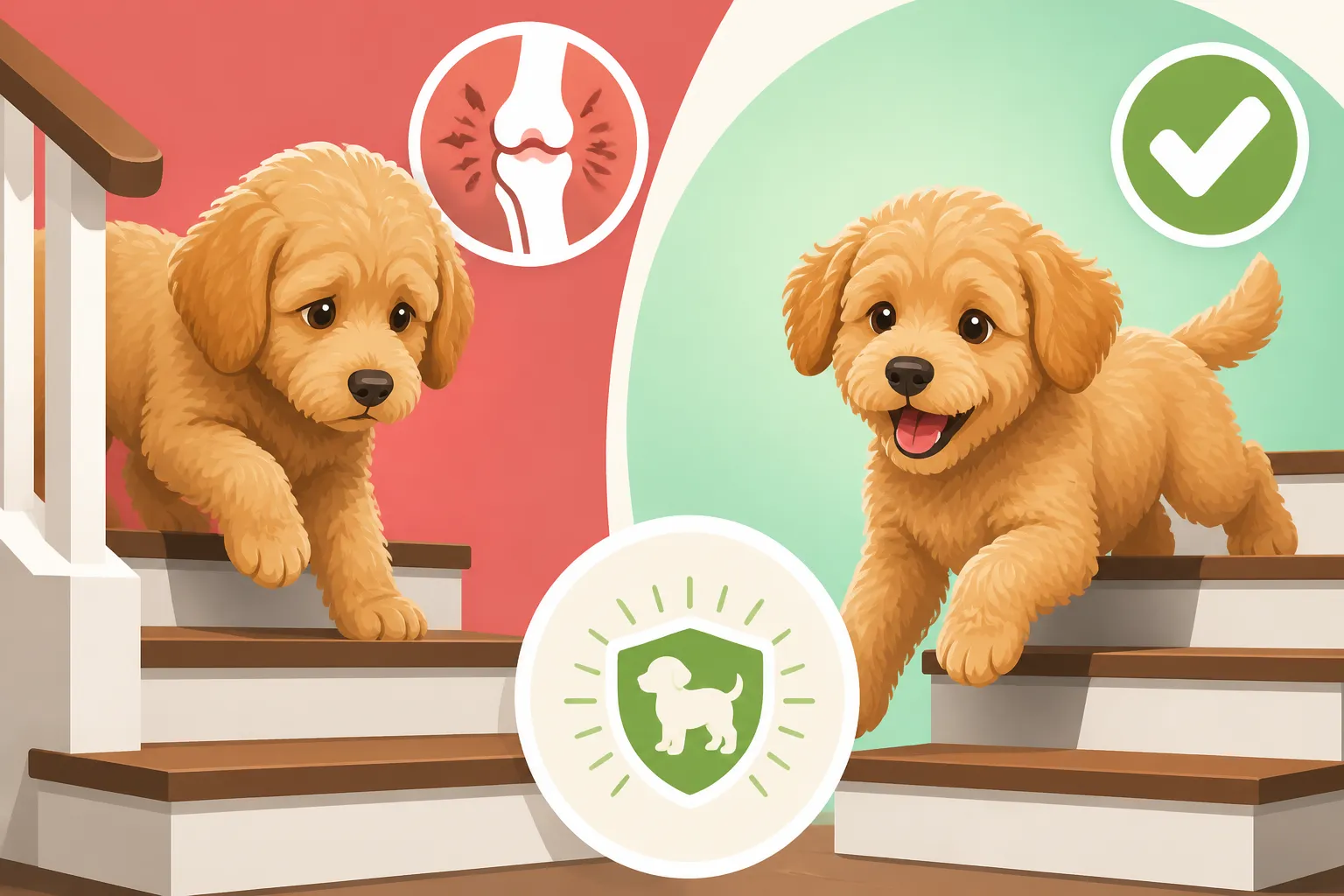
Whether Stairs Hurt a Labradoodle Puppy
Bringing home a playful Labradoodle puppy is a joyous occasion, but it quickly brings a flurry of questions about their development and safety. One common concern that keeps many new owners up at night is whether letting their energetic little fluffball tackle the stairs is actually doing more harm than good to their developing joints. It’s a completely valid worry, and understanding the delicate balance between natural puppy exploration and protecting those crucial growth plates is key to raising a healthy, happy Labradoodle. This guide will walk you through the realities of Labradoodle puppy joint health and how to navigate stairs safely in your home.
Understanding Labradoodle Puppy Growth and Joint Development
The first year of a Labradoodle’s life is a whirlwind of rapid growth and development, but it's also a period of vulnerability, especially for their skeletal system. Those adorable, clumsy movements are a sign that their bones and joints are still very much a work in progress, making them susceptible to injury if not managed carefully.
The Critical Period of Puppy Development
Imagine your puppy's bones not as solid, unchanging structures, but as dynamic, growing entities. At the ends of their long bones – think legs, hips, and elbows – they have soft areas known as growth plates, or epiphyseal plates. These plates are made of cartilage and are where new bone tissue is generated, allowing the bones to lengthen as your puppy grows from a tiny floof to a substantial dog. These growth plates remain open and soft until your Labradoodle reaches skeletal maturity, typically between 12 to 18 months, depending on their size. For a standard Labradoodle, this can be on the later side of that range.
During this critical time, these growth plates are much weaker than the surrounding bone, making them particularly vulnerable to injury. A hard landing, a twisting motion, or repetitive impact can cause micro-trauma or even a fracture to these plates. Unlike a fully mature bone break, a growth plate injury can disrupt normal bone growth, potentially leading to limb deformities or long-term joint issues. It's why veterinarians often advise against intense, high-impact exercise during puppyhood, as mentioned in "The Exercise Limit for a Growing Labradoodle." This fragility is why stair climbing becomes a point of concern; it’s not just about a fall, but about the cumulative stress.
How Repetitive Strain Affects Growing Bones
When a young Labradoodle puppy goes up and down stairs, especially multiple times a day, they're putting significant, repetitive strain on their developing joints. Going down stairs often involves a jarring impact as they jump or bound from step to step, transferring a substantial load through their front legs, elbows, and shoulders. This can stress the soft growth plates in these areas and the ligaments and tendons that support the joints. Think about the impact on the elbow joint, which is a common site for developmental issues like elbow dysplasia in a Labradoodle puppy.
Going up stairs, while perhaps less impactful, still requires considerable exertion and can strain the hindquarters, hips, and knees. If your puppy is slipping or scrambling, they might be twisting their joints in unnatural ways, which can contribute to the development or exacerbation of conditions like hip dysplasia. This is especially pertinent given that Labradoodles inherit genetic predispositions from their parent breeds, making healthy joint development paramount. Even if a puppy seems fine now, these repeated stresses can contribute to problems that manifest later in life, sometimes even before you realize signs a young Labradoodle's hips are failing. It's a bit like tiny, invisible stresses adding up, and you want to prevent them from becoming big problems.
Navigating Stairs Safely with Your Labradoodle Puppy
Given the delicate nature of a growing Labradoodle's joints, avoiding stairs entirely for the first few months is ideal. However, we live in multi-story homes, and completely eliminating stairs isn't always practical or even possible. The key is to manage the exposure and teach safe techniques.
Teaching Safe Stair Techniques
Once your Labradoodle puppy is around 4-5 months old and has better coordination, you can begin to introduce stairs, but always with caution and supervision. Think of it as a training exercise, not a free-for-all.
- Start Slow and Supervised: Begin by carrying your puppy up and down stairs until they are too large to safely carry, or until they are at least 4-5 months old, focusing on their increasing physical control. When you do start, choose a quiet time with no distractions. Use a leash for control, even if they're not fully leash-trained yet, and keep them close to your side.
- One Step at a Time: Encourage them to take one step at a time, rather than bounding or jumping. You can use high-value treats to lure them, placing a treat on each step to guide their movement. For going down, sit on the stairs with your puppy and let them navigate a couple of steps at a time.
- Prioritize Going Down: Going down stairs is generally more impactful, so focus on teaching a slow, controlled descent first. Many puppies will want to rush, so a leash and gentle verbal cues like "slow" or "easy" are crucial. If they try to jump, gently guide them back to a more controlled pace.
- Build Confidence: Praise and reward calm, controlled movements. You want them to associate stairs with positive, managed experiences, not fear or reckless abandon. Never push or pull them if they are hesitant, as this can create a negative association or worse, cause injury.
- Limit Frequency: Even when they've learned to navigate stairs safely, try to limit unnecessary trips. If your Labradoodle typically goes up and down multiple times a day just to follow you around, consider creating a safe, comfortable space for them on one level, or using baby gates to restrict access during certain hours.
Remember, consistent, calm training is far more effective than allowing them to learn through chaotic trial and error. This structured approach not only protects their joints but also builds their confidence and reinforces your bond.
When to Use Alternatives to Stairs
Sometimes, the best solution is simply to avoid stairs altogether for a period, or for specific situations. This is especially true for very young puppies, those recovering from an injury, or for smaller Labradoodles, such as a miniature Labradoodle, where slipping kneecaps can be a concern.
- Baby Gates are Your Friend: For puppies under 4-5 months, or if you have a particularly clumsy or rambunctious young Labradoodle, baby gates are invaluable. Install them at the top and bottom of staircases to prevent unsupervised access. This simple step can dramatically reduce the risk of accidental falls or excessive stair climbing.
- Carrying (When Safe): For smaller Labradoodle puppies, carrying them up and down stairs is the safest option. Just be mindful of your own back! As they grow, they’ll quickly become too heavy to carry safely, which is a good indicator that controlled, supervised stair training might be appropriate, or it's time to rely more heavily on gates and other solutions.
- Ramps and Dog Stairs: For dogs that are too heavy to carry but still need to limit stair use (perhaps due to age, injury, or simply a preference for caution), ramps or dog stairs can be a great investment. These offer a gentler incline or smaller steps, reducing the impact on joints. They're particularly useful for getting into cars or onto furniture, but custom ramps can also be installed for short staircases if needed.
- Redesigning Space: Consider if your puppy really needs to access all areas of your home right away. Can their crate, food, water, and playpen be set up on a single floor for the majority of the day? This might mean a temporary inconvenience for you, but it’s a small price to pay for protecting their long-term health. If you notice any limping, stiffness, or reluctance to move, it's always best to consult your veterinarian immediately. Having a good pet insurance plan, like those from Healthy Paws, can provide peace of mind for unexpected vet visits and diagnostics related to joint health.
A little planning and proactive management can go a long way in safeguarding your Labradoodle puppy’s developing body.
Long-Term Joint Health and Preventative Measures
Preventing joint issues in your Labradoodle puppy goes beyond just managing stairs. It's about a holistic approach to their care that begins in puppyhood and continues throughout their life.
Early Signs of Joint Discomfort
Even with the best intentions and careful management, sometimes issues can arise. It’s crucial to be vigilant and recognize the early signs of joint discomfort or pain in your Labradoodle puppy. They can't tell you in words that something hurts, so you need to be able to read their body language.
- Changes in Gait: Watch for limping, stiffness, or an uneven gait, especially after rest or exercise. Does one leg seem to move differently than the others? Are they bunny-hopping with their back legs, which can sometimes be a subtle sign of hip discomfort?
- Reluctance to Move: A healthy Labradoodle puppy is usually full of boundless energy. If your puppy seems hesitant to jump, run, climb, or even play, it could be a sign of pain. They might be reluctant to go up or down stairs, or avoid certain movements they previously enjoyed.
- Difficulty Rising: Do they struggle or take a long time to get up from a lying or sitting position? This stiffness is a common indicator of joint pain.
- Vocalization or Sensitivity: They might whine or yelp when touched in certain areas, or if they move in a specific way. Some puppies might even snap or growl if you touch a painful joint.
- Changes in Appetite or Temperament: While less specific, a dog in pain might show a decrease in appetite, become more withdrawn, or even show irritability.
- Swelling or Heat: Visibly swollen joints or areas that feel warm to the touch can indicate inflammation.
If you observe any of these signs, don't delay in contacting your veterinarian. Early diagnosis and intervention can make a significant difference in managing and treating many joint conditions. It’s comforting to know that pet insurance providers like Healthy Paws often cover these kinds of diagnostic tests and treatments, helping you make the best decisions for your pup without financial stress.
Proactive Care and Veterinary Consultation
A truly comprehensive approach to protecting your Labradoodle's joints involves several key elements throughout their life.
- Balanced Exercise: As your Labradoodle grows, appropriate exercise is vital for building strong muscles that support their joints. However, avoid over-exercising or high-impact activities, especially during puppyhood. Think controlled walks, gentle retrieves, and mental stimulation rather than intense, prolonged running or jumping. "The Exercise Limit for a Growing Labradoodle" goes into more detail on this.
- Optimal Nutrition: Feeding a high-quality, large-breed puppy food specifically formulated for their growth rate is crucial. These foods often have carefully balanced calcium and phosphorus levels to support proper bone development. Avoid overfeeding, as excess weight puts undue strain on developing joints, as highlighted in "Feeding a Labradoodle Through Its Growth" and "The Weight a Labradoodle Should Hold". Discuss dietary needs with your vet.
- Weight Management: Maintaining a lean body condition throughout your Labradoodle's life is one of the most impactful things you can do for their joint health. Even a few extra pounds can significantly increase the load on their hips, elbows, and knees, accelerating wear and tear.
- Genetics and Breeder Practices: Reputable Labradoodle breeders will perform extensive health screenings on parent dogs for genetic conditions like hip and elbow dysplasia, as detailed in "Whether Both Labradoodle Parents Need OFA Hips." While good care can mitigate risks, genetics play a foundational role. Always ask to see proof of health clearances for both parents.
- Regular Veterinary Check-ups: Your veterinarian is your best partner in monitoring your Labradoodle's health. Regular check-ups allow them to assess your puppy's growth and gait, and they can offer tailored advice on exercise, nutrition, and early detection of any potential issues. They might also discuss whether supplements like glucosamine could help your Labradoodle's joints, especially as they age or if they have a genetic predisposition to joint issues. Early conversations about preventing common Labradoodle health problems are invaluable.
By being proactive and attentive to these aspects of care, you'll be giving your Labradoodle the best possible chance at a long, active life with healthy joints. And remember, if you ever have a concern, consulting your vet is always the right call – and it's where having a robust pet insurance policy from a provider like Healthy Paws truly shines, covering those unexpected diagnostic tests and treatments.
Conclusion
The concern about stairs and Labradoodle puppies is completely valid and stems from a genuine desire to protect these wonderful dogs. While it's true that repetitive stress on developing joints can contribute to long-term health issues like hip and elbow dysplasia, it doesn't mean your puppy is doomed if they encounter stairs. The key is careful management: carrying young puppies, teaching controlled ascent and descent with positive reinforcement, and using baby gates to prevent unsupervised access. Beyond stairs, a holistic approach involving balanced exercise, appropriate nutrition, weight management, and regular veterinary check-ups forms the cornerstone of proactive joint care. By being informed and proactive, you can help your Labradoodle puppy grow into a strong, healthy adult ready for a lifetime of adventures.
Disclaimer
Please note that this article is intended for informational purposes only and does not constitute veterinary advice. Always consult with a qualified veterinarian for any health concerns or before making any decisions about your pet’s medical care or treatment.