Whether a Later Generation Labradoodle Comes Out Smaller
It’s a common daydream for many of us: picturing our future Labradoodle, envisioning its size, its coat, its very personality. But the truth is, when you're looking at different generations of Labradoodles, the journey to a predictable adult size can feel like navigating a maze. This guide is here to shed some light on whether those later generation Labradoodles really come out smaller, and what factors truly influence your beloved doodle's final dimensions.
Understanding Labradoodle Generations and Their Impact on Size
The world of Labradoodle breeding can feel like a complex family tree, especially when you start diving into generations like F1, F1b, and multi-generational. Many hopeful owners come to breeders with the idea that specific generations automatically guarantee a particular size or coat, and while there's some truth to the efforts made in later generations, it's not quite as simple as a clear-cut progression.
The Basics of F1, F1b, F2, and Multigen Labradoodles
Let's break down what these terms actually mean because they are foundational to understanding size predictability. An F1 Labradoodle is a first-generation cross: a purebred Labrador Retriever bred with a purebred Poodle. This is the original cross that started it all, and it's also the generation with the most genetic variation. You get a true 50/50 genetic split, but how those genes express themselves in each individual puppy is a roll of the dice. Some F1 puppies might lean heavily towards the Labrador's traits, others towards the Poodle's, and everything in between.
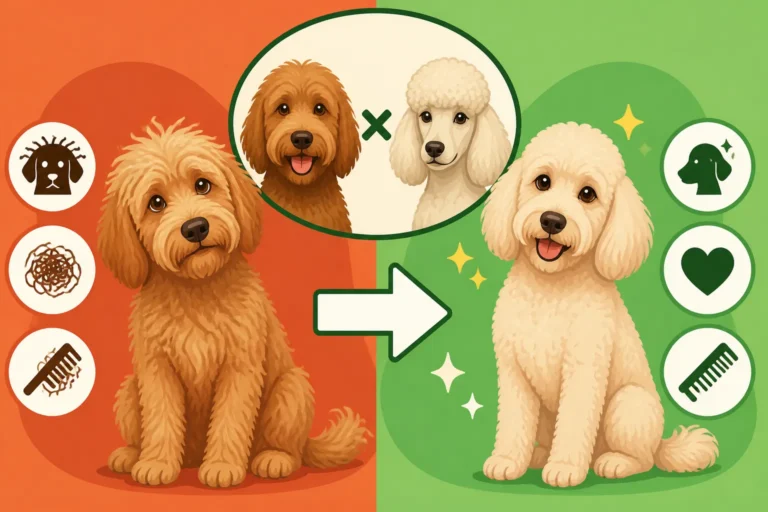
Then you have the F1b Labradoodle. The 'b' stands for 'backcross,' meaning an F1 Labradoodle is bred back to one of the parent breeds, usually a Poodle. This is often done to increase the Poodle's influence, particularly for coat characteristics aimed at reducing shedding, but it also impacts size. An F1b is typically about 75% Poodle and 25% Labrador. An F2 Labradoodle is when two F1 Labradoodles are bred together. This generation can be even more unpredictable than the F1 because you're essentially combining two dogs that already have a mixed genetic background, leading to a wider range of possibilities.
Finally, we arrive at Multi-generational (Multigen) Labradoodles. These are Labradoodles with at least three generations of Labradoodle-to-Labradoodle breeding on both sides of their pedigree. This is where breeders aim to stabilize traits. By consistently breeding Labradoodles together, especially those exhibiting desired characteristics like a specific size and coat type, the goal is to achieve greater predictability in subsequent litters. However, it's a long process, not an instant fix, and it relies heavily on the careful selection of breeding stock. What F1 Means on a Labradoodle and What Multigen Means on a Labradoodle offer more detailed breakdowns of these generational terms.
Why Size Variation is Common in Early Generations
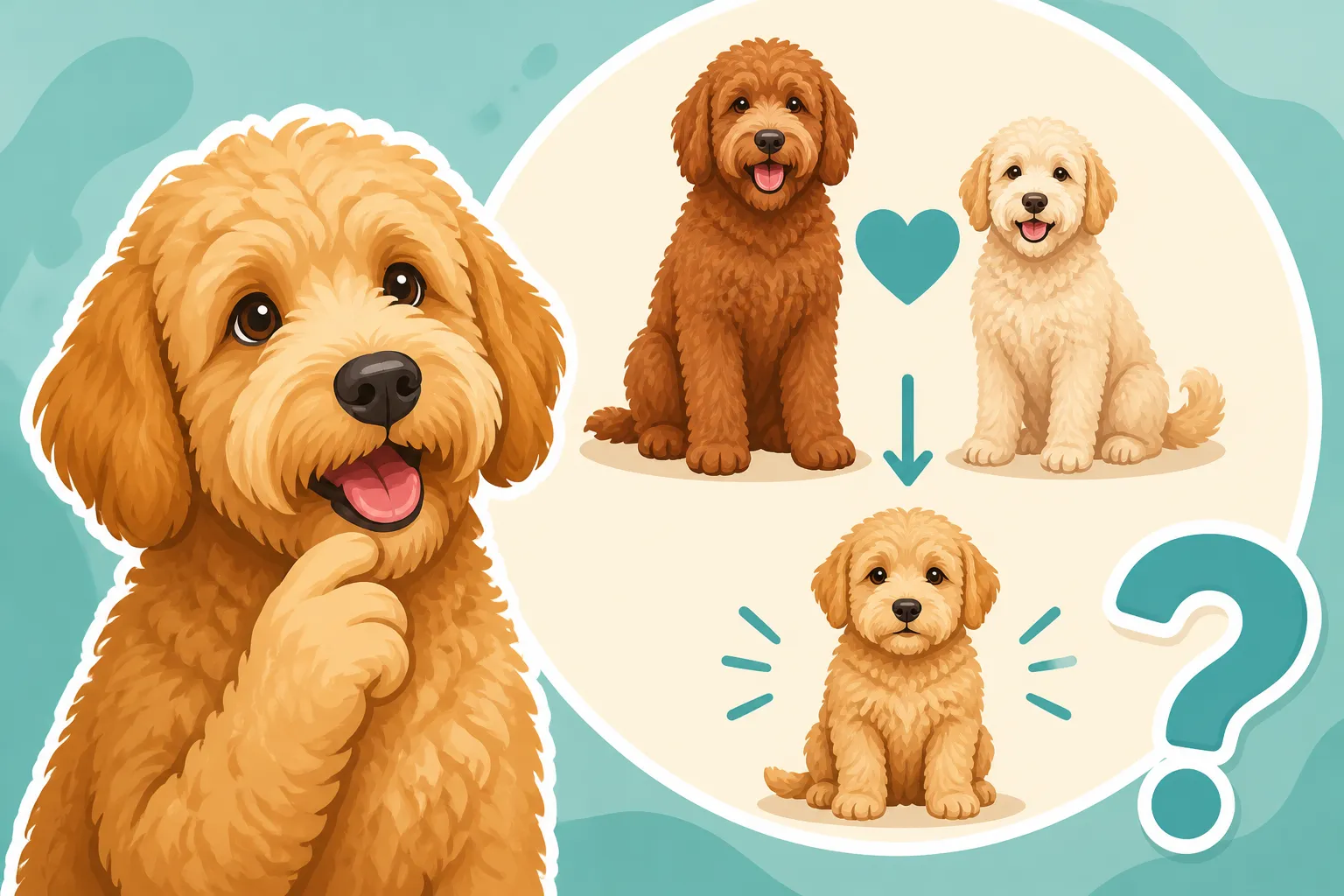
When you're looking at an F1 litter, it's not uncommon to see a huge range in puppy sizes. Imagine a litter where one puppy is born significantly smaller, destined to grow into a petite 30-pound adult, while its sibling in the very same litter balloons up to a robust 65 pounds. This isn't just a slight variation; it's a direct result of the unpredictable nature of combining two distinct purebred lines. The genetic blueprint each puppy inherits can pull more strongly from the Poodle side, which offers sizes from miniature to standard, or from the Labrador side, which is fairly consistent in its larger, medium-to-large build.
This genetic lottery means that even if both parent dogs are healthy and well-selected, an F1 litter can still surprise everyone with its diversity. For first-time owners hoping for a specific size, this unpredictability can be a real source of frustration. You might pick out a puppy thinking it will be a medium-sized adult, only to find it growing much larger or smaller than expected. Breeders work hard to give estimates, but with F1 and even F2 generations, those estimates come with a broader margin of error. It truly highlights why Whether an F1 Labradoodle's Coat Is a Gamble applies not just to coat, but to size and temperament too.
Breeders, especially those dedicated to the ethical development of the Labradoodle, understand these challenges deeply. They know that managing owner expectations around size in these early generations is paramount. It’s not a lack of skill on their part, but rather the very essence of Mendelian genetics at play when you mix two distinct breeds. The dream of a consistently sized litter from an F1 pairing remains just that—a dream—because the genetic variation is still so wide.
The Goal of Breeding for Predictable Size in Later Generations
So, if early generations are such a toss-up, what's the point of later generations? This is where the dedicated work of breeders truly comes into play, aiming to refine and stabilize the characteristics we all love about Labradoodles. The idea isn't necessarily to shrink every Labradoodle to miniature proportions, but to make their size, temperament, and coat more consistent and predictable within a desired range.
The Role of Multi-Generational Breeding
Multi-generational breeding is where the true effort to create a more consistent Labradoodle shines. Instead of crossing back to a purebred Poodle or Labrador, breeders are selecting Labradoodles to breed with other Labradoodles, focusing on specific traits. When it comes to size, this means a breeder might specifically choose a smaller, well-proportioned Labradoodle female and pair her with a smaller, equally well-proportioned Labradoodle male. Over several generations, by carefully selecting for size, they can begin to narrow the range of expected adult sizes within their litters.
This process involves meticulous record-keeping and a deep understanding of genetics. Breeders are essentially trying to "fix" certain genes within their lines, so that the outcome is less of a surprise. It's not about rushing the process, but rather a patient, deliberate approach. The goal is to produce litters where puppies consistently fall within a certain size category – say, medium, or miniature – rather than having a wide spread of sizes that could range from tiny to giant. This kind of careful breeding is a cornerstone of The Multigen Program That Made the Australian Labradoodle, which exemplifies the dedication to establishing more consistent breed characteristics.
However, it's important to remember that even in multigen breeding, individual genetic variation still exists. You won't get identical clones, but you should expect a much tighter bell curve of sizes within a litter compared to an F1 cross. This predictability is often why multi-generational Labradoodles are sought after, as they offer a more reliable outcome for families who need a dog within a specific size bracket, perhaps for apartment living or to ensure it's not too big for young children.
Does "Smaller" Mean Truly Miniature, or Just More Consistent?
This is a really important distinction, and one that often causes confusion for prospective owners. When people ask if later generation Labradoodles come out "smaller," they sometimes envision all multi-gen doodles eventually becoming tiny lap dogs. In reality, "smaller" in the context of later generations usually refers to greater consistency within a designated size category, and the ability for breeders to consistently produce miniature or medium Labradoodles through intentional breeding choices.
Breeders working towards a miniature size will specifically incorporate smaller Poodle lines and carefully select the smallest, healthiest Labradoodles from subsequent litters to continue breeding. This is how they create genuinely miniature Labradoodles, which might weigh as little as 15-25 pounds as adults. For these dogs, "smaller" means deliberately breeding down to a certain size. However, for a breeder focused on medium or standard sizes, "smaller" in later generations means that the range of adult weights and heights within a litter will be much tighter. Instead of having puppies range from 30 to 65 pounds, a multi-gen litter might consistently fall within the 40 to 50-pound range, offering much more predictability. The Three Labradoodle Sizes and How They Are Set really delves into these classifications.
It's crucial for prospective owners to communicate clearly with their breeder about the exact size range they are looking for. Don't assume "later generation" automatically means a miniature dog. It primarily means more genetic stability. If you're looking for a small dog, ensure your breeder explicitly states they specialize in miniature or small medium Labradoodles and can show you the pedigrees and adult sizes of their breeding stock. This diligence helps manage expectations and ensures you find a dog that truly fits your lifestyle.
Factors Beyond Generation Influencing a Labradoodle's Final Size
While generational breeding is a powerful tool for achieving more predictable sizes, it's not the only piece of the puzzle. There are several other critical factors that play a huge role in how big your Labradoodle will ultimately grow, many of which are directly tied to the individual dog and its immediate environment.
The Influence of Parent Size and Pedigree
Perhaps the most significant indicator of a Labradoodle's eventual size, regardless of generation, is the size of its immediate parents. Think about it: even if you have a multi-generational Labradoodle, if both its mother and father are on the larger end of the standard Labradoodle spectrum, their puppies are very likely to be large as well. Generations help to stabilize traits, but they don't override the fundamental genetics passed down directly from the parents. This is why a reputable breeder will always be transparent about the sizes of their breeding dogs, often showing pictures or even introducing you to them.
Beyond the parents, looking at the pedigree – the lineage of grandparents and great-grandparents – can offer further clues. If there's a history of consistently sized dogs within the line, it adds to the predictability. Conversely, if there are some unusually large or small dogs lurking in the recent ancestry, there's always a slight chance those genes could resurface. This highlights the importance of asking your breeder about their specific breeding goals and the size range they aim for in their program. They should be able to provide clear information on How Big a Standard Labradoodle Gets, The Weight a Medium Labradoodle Settles At, and even Whether a Miniature Labradoodle Grows Bigger Than Promised, often backed by data from previous litters.
Always prioritize breeders who openly share this information and emphasize the health and structural soundness of their breeding dogs. A well-built, healthy parent within a desired size range is far more important than simply relying on a "multigen" label. Always ask to see not just the puppy, but the parents, and inquire about their mature weights and heights.
The Impact of Nutrition and Early Growth
What you feed your Labradoodle puppy during its crucial growth phases can absolutely influence its final size, or at least how that size is achieved. Overfeeding, especially with calorie-dense adult foods or generic puppy formulas not suited for large breeds, can lead to rapid growth. While a bigger puppy might seem desirable, excessively fast growth can put undue stress on developing joints and bones, potentially contributing to orthopedic issues down the line rather than just making the dog bigger. This is why paying attention to Feeding a Labradoodle Through Its Growth is so vital.
Conversely, underfeeding a growing puppy can stunt its growth, preventing it from reaching its full genetic potential. It's a delicate balance. Many veterinarians recommend large breed specific puppy foods for standard and medium Labradoodles, as these formulas are designed with controlled calcium and phosphorus levels to support steady, healthy growth. Companies like Chewy offer a wide array of specialized large breed puppy foods, making it easier for owners to find suitable nutrition. Always follow the feeding guidelines on the food packaging, adjusting as needed based on your puppy's activity level and body condition, and consult your vet if you have concerns.
Beyond food, the type and amount of exercise a growing Labradoodle receives also plays a part. Too much strenuous activity on immature joints can be detrimental. Think about the common advice regarding The Exercise Limit for a Growing Labradoodle – long, forced runs or repetitive jumping should be avoided until growth plates have closed. While proper nutrition and exercise primarily impact the health of a dog's growth rather than dictating its ultimate genetic size, they certainly influence how well that genetic potential is realized.
Gender and Individual Genetics
It's a common observation across many dog breeds, and Labradoodles are no exception: generally, males tend to be larger and heavier than females within the same breed type and even litter. So, if you're looking at a litter of multigen Labradoodles, the male puppies will often mature into slightly larger adults compared to their female siblings, even if they share the same parents and genetic background. This isn't a hard and fast rule, as you can certainly have a particularly robust female or a smaller male, but it's a general trend to keep in mind.
Even with the most careful breeding and selection, individual genetic variation within a litter is always present. Just like human siblings can look quite different despite sharing the same parents, Labradoodle siblings can also have slight differences in their genetic expression. This means that while a breeder aims for consistency, there will inevitably be some puppies at the higher end of the expected size range and others at the lower end. This slight natural variation is part of what makes each dog unique. For instance, two puppies from the same litter might both be expected to mature to around 45 pounds, but one might stop at 42 pounds and the other reach 48 pounds. These aren't drastic differences, but they are examples of individual genetic expression at play.
Responsible breeders will often track the growth of their puppies and can give you an educated guess about a puppy's likely adult size based on its current growth curve, its parents, and the historical data from their lines. However, it's never an absolute guarantee. Ultimately, your Labradoodle's final size is a fascinating blend of its generational background, its immediate parents' genetics, your care during its formative months, and its own unique genetic blueprint.
| Labradoodle Generation | Size Predictability (General) | Coat Predictability (General) | Shedding Tendency (General) |
|---|---|---|---|
| F1 (Lab x Poodle) | Low – Wide range possible | Low – Variable, straight to curly | Variable, can shed significantly |
| F1b (F1 x Poodle) | Medium – Tends toward Poodle size | High – More consistently curly/wavy | Low, often considered non-shedding |
| F2 (F1 x F1) | Low – Can be highly variable, like F1 | Low – Wide range, less predictable | Variable, can shed |
| Multigen | High – More consistent within desired range | High – Consistently fleece or wool | Low, generally considered non-shedding |
Conclusion
So, does a later generation Labradoodle come out smaller? The nuanced answer is: not automatically smaller in all cases, but generally more predictably within a breeder's chosen size ranges, which can include miniature and medium categories. The journey from the varied F1 generation to the more consistent multi-generational Labradoodle is a testament to careful, intentional breeding. Breeders invest significant time and effort into selecting dogs that not only meet health standards but also consistently produce offspring within a desired size spectrum.
For prospective Labradoodle owners, this means that while the "later generation" label offers a greater likelihood of a predictable size, it's still crucial to do your homework. Look closely at the size of the parent dogs, inquire about their pedigrees, and ask the breeder about their specific goals for size in their breeding program. A responsible breeder will be transparent and happy to discuss these details, helping you understand the realistic size expectations for your future furry family member. Ultimately, the more informed you are, the better equipped you'll be to find a Labradoodle that truly fits into your life, whether they end up being a compact companion or a stately standard.
Disclaimer
This article is for general informational purposes only and does not constitute professional advice. Laws, prices and regulations vary by location and change over time. Consult a qualified professional for guidance on your specific situation.