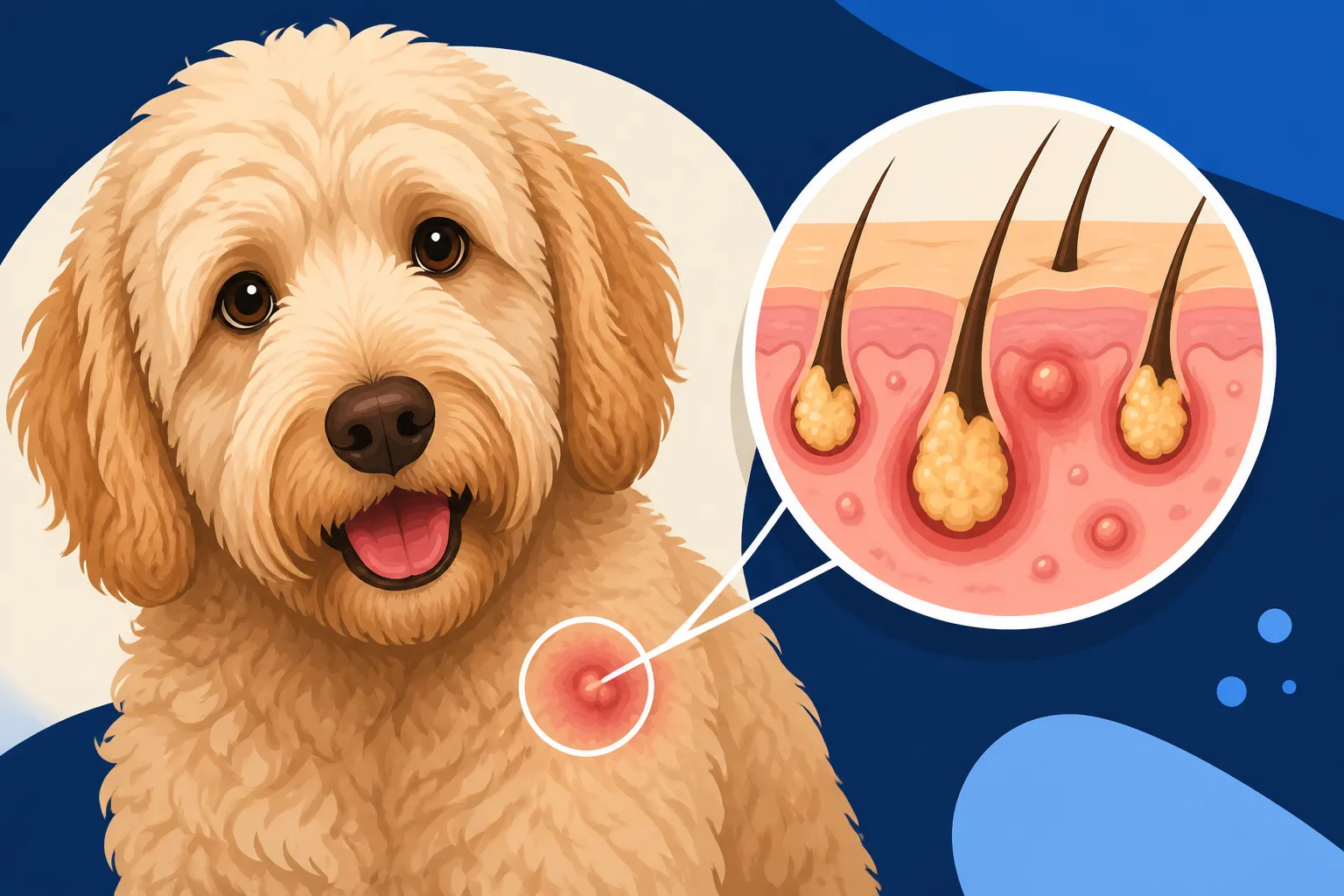
Sebaceous Adenitis in a Labradoodle’s Skin
It's incredibly frustrating when your beloved Labradoodle starts developing unexplained skin issues—dull coat, flaky skin, maybe even bald patches that just won't seem to go away. Many owners initially chalk it up to allergies or dry skin, only to find that conventional treatments don't work, leaving both them and their furry friend miserable. This comprehensive guide will delve deep into sebaceous adenitis (SA), a tricky dermatological condition that disproportionately affects Labradoodles, helping you understand its signs, diagnosis, and effective management strategies to bring comfort back to your companion.
Understanding Sebaceous Adenitis in Labradoodles
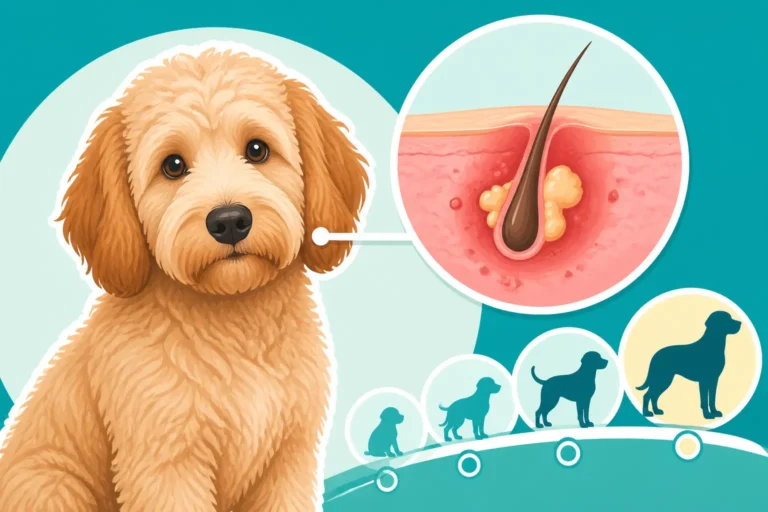
Sebaceous adenitis, often shortened to SA, is a truly perplexing and frustrating skin condition for both veterinarians and dog owners alike. It’s not just a superficial issue; it’s an immune-mediated disease that targets and destroys the sebaceous glands in the skin. These tiny glands are crucial because they produce sebum, a natural oily substance that lubricates the skin and hair, keeping it healthy, supple, and protected. When these glands stop working, or are destroyed, the skin and coat suffer immensely.
What Exactly is Sebaceous Adenitis?
At its core, sebaceous adenitis is an inflammatory condition where the dog's own immune system mistakenly attacks its sebaceous glands. Imagine your body's defenses, designed to fight off invaders like bacteria and viruses, suddenly turning on a normal, healthy part of itself. That's essentially what happens with SA. This targeted destruction leads to a severe lack of sebum, resulting in dry, scaly, and often brittle skin. The hair follicles, deprived of their natural lubrication, become dry and break easily, leading to hair loss. It's a progressive disease, meaning it tends to get worse over time if left untreated, making early detection and intervention all the more vital.
Why Labradoodles Are Prone to SA
While sebaceous adenitis can affect any dog breed, and even cats, it has a notable predisposition in certain breeds, and unfortunately, the Labradoodle is among them. This genetic link points to a hereditary component, a silent legacy passed down through generations. Breeds like the Standard Poodle, Akita, and Samoyed are also known to be affected, and since the Labradoodle is a cross between a Labrador Retriever and a Poodle, they carry genetic vulnerabilities from both sides, particularly the Poodle lineage. This means that even if a Labradoodle appears healthy, they might carry the genes for SA, and when two carriers are bred, the offspring have a higher chance of developing the condition. It’s a stark reminder of why understanding a dog's genetic background is so important, especially for those breeds known to carry specific health concerns. The average age that Sebaceous Adenitis Appears in a Labradoodle can vary, but it's often seen in young to middle-aged adult dogs, typically between one and five years old.
The Different Forms of SA Presentation
Sebaceous adenitis isn't a one-size-fits-all condition; it can manifest in different ways, though the underlying mechanism remains the same. The most common presentation in Labradoodles is the long-haired form, characterized by progressive hair loss, dull and brittle coat, scales, and follicular casts (waxy, scaly debris clinging to the hair shafts). This often starts on the top of the head, along the back, and over the ears, gradually spreading. The hair might feel coarse and dry to the touch, and you might notice that Whether a Labradoodle's Coat Thins in Patches, leading to a mottled appearance. In some rare cases, a short-haired form exists, which is typically more generalized and severe, with profound scaling, crusting, and secondary bacterial infections. Recognizing these different forms is key for your veterinarian to properly assess and manage the condition, as the appearance can sometimes mimic other dermatological issues.
Recognizing the Early Signs and Symptoms
Catching sebaceous adenitis early in your Labradoodle can make a significant difference in managing the condition and maintaining their quality of life. Unfortunately, the early signs can be subtle and easily mistaken for common skin problems like dry skin or allergies, which is why a keen eye and persistent investigation are so important. Don't dismiss persistent flakiness or a dull coat as just "winter skin."
Subtle Changes in Coat Texture and Appearance
One of the first things you might notice is a change in your Labradoodle's beautiful coat. It might lose its characteristic luster, becoming dull, dry, and brittle. You might find that brushing results in an excessive amount of broken hair, or that their normally soft, wavy or curly coat feels coarse and rough. As the disease progresses, you'll likely start seeing scales – fine, silvery flakes – that are often accompanied by "follicular casts." These casts are distinctive, appearing as waxy, tightly adherent debris that encircle the base of the hair shaft. They're basically plugs of keratin and sebum (or lack thereof) that build up in the hair follicles, preventing new hair growth and exacerbating hair loss. Initially, these changes might be localized, perhaps on the top of the head, the back of the neck, or along the spine, but they tend to spread over time. If you own a Labradoodle with a lush, dense coat, such as a curly fleece or a wool coat Labradoodle, these changes might be even more pronounced and noticeable, as the texture shift is quite distinct from their natural healthy coat.
Skin Lesions and Secondary Infections
As the sebaceous glands continue to be destroyed, the skin loses its natural protective barrier. This makes it vulnerable to secondary bacterial and yeast infections, which can significantly worsen your Labradoodle's discomfort. You might observe inflamed, reddened patches of skin, small pustules, or even open sores. The skin can become thickened and hyperpigmented (darkened) in chronically affected areas, feeling leathery to the touch. The constant itching (pruritus) that often accompanies these secondary infections leads to more scratching, licking, and chewing, creating a vicious cycle of irritation and skin damage. This can be particularly distressing, as it's often the intense itching that finally prompts a vet visit, after months of trying various "allergy" remedies. Sometimes, this intense itching might even be mistaken for something like Allergies Behind a Labradoodle's Itching, complicating the initial diagnosis.
Behavioral Clues to Watch For
Beyond the physical changes, your Labradoodle might also exhibit behavioral shifts that signal something is amiss. Constant scratching, rubbing against furniture, or excessive licking and chewing, particularly at their flanks, tail base, or ears, are big red flags. They might seem restless or uncomfortable, especially at night. Some dogs might become withdrawn or irritable due to chronic discomfort, shying away from petting or grooming if their skin is painful or sensitive. You might also notice a distinctive, sometimes rancid, odor emanating from their coat due to the accumulation of scales, oil, and yeast/bacterial overgrowth, despite regular bathing. This is often a tell-tale sign that there's more going on than just dry skin. Observing these subtle behavioral changes, alongside the physical symptoms, can provide crucial clues that help your veterinarian piece together the puzzle.
The Diagnostic Journey for Labradoodle SA
Diagnosing sebaceous adenitis isn't always straightforward. Because its symptoms can mimic so many other skin conditions, your vet will need to perform a thorough examination and often a series of tests to confirm SA and rule out other possibilities. It can feel like a long road of appointments and tests, but patience is key to getting an accurate diagnosis.
Initial Vet Visits and Rule-Outs
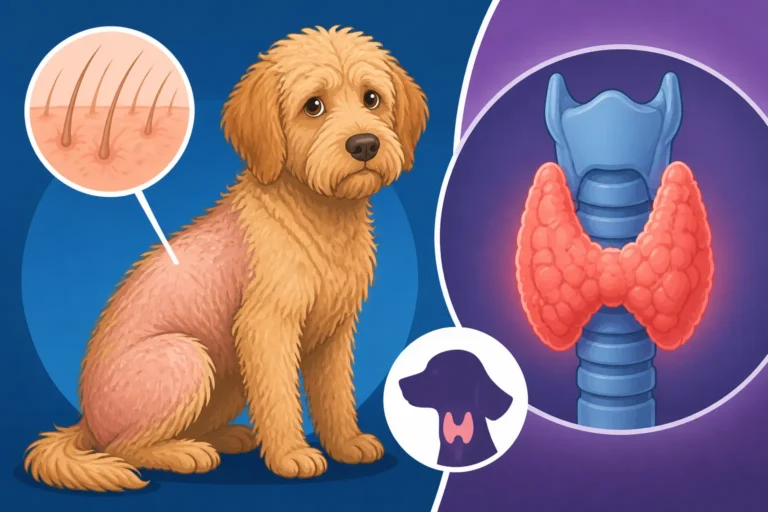
Your first visit to the vet will likely involve a general health check and a detailed discussion about your Labradoodle's symptoms, diet, lifestyle, and any changes you've observed. Your veterinarian will carefully examine your dog's skin and coat, noting the distribution of hair loss, scaling, and any inflammation or lesions. Based on these initial findings, they'll likely consider a range of potential diagnoses. These could include common culprits like flea allergies, environmental allergies (atopy, which is why Whether Atopy Explains a Labradoodle's Itching is a common question), food allergies, fungal infections (like ringworm), bacterial skin infections (pyoderma), parasitic infestations (mites, lice), or even hormonal imbalances such as Thyroid Failure in a Labradoodle. To rule these out, your vet might recommend various tests: skin scrapings to look for mites, fungal cultures, cytology (examining cells from skin lesions under a microscope) to identify yeast or bacteria, and potentially blood tests to check thyroid function or other systemic health markers. It's a process of elimination, gradually narrowing down the possibilities until SA becomes a strong contender.
The Crucial Role of Skin Biopsies
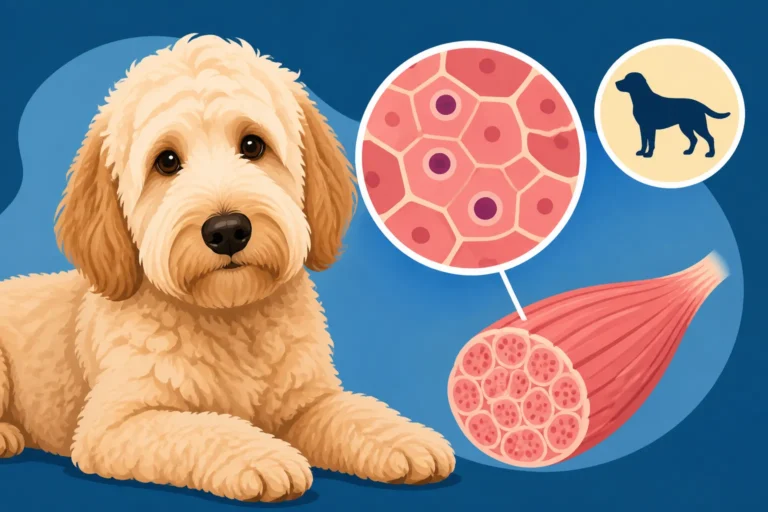
When sebaceous adenitis is suspected, a skin biopsy is the gold standard for a definitive diagnosis. This involves taking several small tissue samples from affected areas of your Labradoodle's skin. These biopsies are usually taken under local anesthesia, though sometimes sedation or general anesthesia is required, depending on the dog's temperament and the location of the biopsies. The samples are then sent to a specialized veterinary pathologist who examines them under a microscope. The pathologist looks for specific microscopic changes: inflammation and destruction of the sebaceous glands, often with an inflammatory infiltrate surrounding them. The absence of sebaceous glands in affected areas, combined with characteristic follicular casts, provides the conclusive evidence needed to diagnose SA. Without this biopsy, it's often impossible to differentiate SA from other conditions with similar outward appearances. Understanding What a Skin Biopsy Costs on a Labradoodle can help you prepare for this essential diagnostic step. Many pet insurance providers, like Healthy Paws, offer coverage for diagnostic procedures, which can be a huge relief when facing these unexpected costs.
Differentiating SA from Other Skin Conditions
One of the biggest challenges in diagnosing sebaceous adenitis is its resemblance to other dermatological issues. As mentioned, allergies are a common misdiagnosis, as both conditions can cause itching, flaking, and hair loss. However, SA typically doesn't respond to allergy medications alone. Hypothyroidism (underactive thyroid) also causes dry, brittle hair and symmetrical hair loss, but blood tests will confirm or rule out this hormonal issue. Autoimmune skin diseases, such as pemphigus, can also have similar presentations. Even just a very dry coat from improper grooming or environmental factors can be confused with early SA. This is why the skin biopsy is so invaluable. It provides a definitive answer by revealing the specific changes occurring at a cellular level, allowing for accurate treatment rather than a trial-and-error approach that wastes time, money, and causes unnecessary discomfort for your Labradoodle. If your primary vet is unsure, they may recommend What a Dermatology Referral Runs for a Labradoodle, where a specialist can provide expert opinion and conduct further tests.
Comprehensive Treatment and Management Strategies
Once your Labradoodle has a confirmed diagnosis of sebaceous adenitis, the real work begins. While there's no "cure" in the sense that the sebaceous glands won't regenerate, SA is absolutely manageable with consistent, dedicated care. The goal of treatment is to reduce inflammation, replenish skin oils, control secondary infections, and minimize discomfort.
Topical Therapies and Hydration Protocols
Topical treatments are the cornerstone of SA management. The main aim is to rehydrate the skin and restore its barrier function, compensating for the lack of natural sebum. This often involves a multi-pronged approach:
- Bathing and Soaking: Regular bathing with specialized shampoos is crucial. Some vets recommend medicated shampoos containing ingredients like salicylic acid or benzoyl peroxide to help lift scales and cleanse the skin, followed by moisturizing conditioners. Others focus on ultra-hydrating, gentle shampoos. The key is frequent bathing – sometimes as often as 2-3 times a week initially – followed by thorough rinsing and conditioning. Whether a Labradoodle Needs Medicated Baths will depend on the severity of secondary infections and scaling.
- Oil Soaks: This is a truly vital component. Applying therapeutic oils (like mineral oil, baby oil, or specific veterinary formulations) directly to the skin, allowing it to soak for several hours, and then gently washing it off, can significantly improve skin hydration. These oil soaks help to loosen follicular casts, reduce scaling, and provide much-needed moisture. Your vet might suggest specific protocols for Oil Soaks for a Labradoodle With Sebaceous Adenitis.
- Humectant Sprays and Moisturizers: Between baths, sprays containing humectants (like urea or lactic acid) or ceramides can help draw moisture into the skin and repair the skin barrier. These are applied directly to affected areas to maintain hydration and comfort.
Consistency is everything with topical therapies. It's a commitment, but the improvements you'll see in your Labradoodle's comfort and coat quality will be worth it.
Oral Medications and Nutritional Support
In addition to topical treatments, your veterinarian may prescribe oral medications, especially if the disease is severe or unresponsive to topicals alone.
- Immunomodulators: Since SA is an immune-mediated disease, medications that modulate the immune system can be very effective. Cyclosporine is a commonly used drug that helps suppress the immune attack on the sebaceous glands. While effective, it can have side effects and requires careful monitoring. Other options might include oral corticosteroids for short-term control of severe inflammation, though long-term use is typically avoided due to side effects.
- Antibiotics/Antifungals: If secondary bacterial or yeast infections are present, oral antibiotics or antifungals will be prescribed to clear them up. These are often given for several weeks to ensure the infection is completely resolved.
- Fatty Acid Supplements: Omega-3 and omega-6 fatty acid supplements (fish oil, flaxseed oil) are often recommended. These essential fatty acids support skin and coat health, reduce inflammation, and can improve the skin's barrier function from the inside out. They are a safe and beneficial addition to most SA treatment plans.
- Vitamin A: In some cases, high doses of Vitamin A (retinoids) have been shown to help normalize keratinization and sebaceous gland function, especially in certain breeds. This should always be done under strict veterinary guidance due to potential toxicity at high doses.
Nutritional support is also crucial. A high-quality diet rich in essential fatty acids and easily digestible proteins can help bolster overall skin health. Discuss any dietary changes with your vet to ensure they complement the medical treatment plan.
Long-Term Maintenance and Prevention of Flare-Ups
Managing sebaceous adenitis is a lifelong commitment. Once the initial flare-up is under control, the goal shifts to long-term maintenance and preventing future episodes. This involves:
- A Regular Grooming Schedule: This will combine your at-home efforts with professional grooming. For a Labradoodle with SA, regular grooming, especially focusing on gentle brushing and keeping the coat from matting, is essential. Mats can trap moisture and exacerbate skin issues.
- Environmental Control: While SA isn't an allergy, keeping your Labradoodle in a clean, dust-free environment can minimize skin irritants. Using humidifiers in dry climates can also help prevent skin dehydration.
- Regular Vet Check-ups: Consistent follow-up appointments with your veterinarian or veterinary dermatologist are vital. They will monitor your Labradoodle's response to treatment, adjust medications or topical therapies as needed, and catch any developing secondary infections early. This ongoing partnership ensures the best possible quality of life for your pet. Early and consistent intervention is key to Keeping a Labradoodle Sound Into Its Teens, even with chronic conditions like SA.
- Observational Vigilance: You, as the owner, are your Labradoodle's best advocate. Pay close attention to any subtle changes in their coat or behavior. A slight increase in scaling, a duller patch of fur, or an increase in scratching could signal an impending flare-up, allowing you to intervene quickly before it escalates.
Living with a Labradoodle with Sebaceous Adenitis
Caring for a Labradoodle with sebaceous adenitis is a journey that demands patience, consistency, and a deep understanding of your dog's needs. It's not just about applying medications; it's about integrating a specialized care routine into your daily life and adapting to the challenges this condition presents.
Grooming Challenges and Essential Tools
The grooming regimen for a Labradoodle with SA can be extensive, making it one of the biggest challenges for owners. The unique texture of the Labradoodle's coat, whether fleece or wool, combined with the dryness and scaling of SA, makes it highly prone to matting. These mats can be incredibly painful and create hotspots for secondary infections.
You'll need a robust arsenal of grooming tools. A high-quality slicker brush, a wide-toothed comb, and a shedding blade (if your Labradoodle has a hairier coat) are essential. Line brushing, which involves parting the coat and brushing in sections down to the skin, is non-negotiable to prevent mats and distribute natural oils. For a Labradoodle, especially one with a denser coat type like The Wool Coat Labradoodle and Its Upkeep, this might mean daily brushing sessions.
Detangling sprays and leave-in conditioners become your best friends, helping to hydrate the coat and make brushing easier. When bathing, ensure you're using lukewarm water and gently massaging the specialized shampoos into the skin, allowing them to sit for the recommended time before rinsing thoroughly. Drying is also critical; a good quality force dryer, used on a cool setting, can help ensure the coat and skin are completely dry, preventing moisture-related issues without irritating sensitive skin. Learning how to properly use Detangling Sprays for a Labradoodle and other tools is crucial to prevent further discomfort and damage to their fragile coat.
Emotional Impact on Owners and Dogs
Living with a chronic condition like sebaceous adenitis can take an emotional toll on both the Labradoodle and their human family. For your dog, the constant itching, discomfort, and frequent treatments can be stressful. They might be less playful, more withdrawn, or even show signs of anxiety during grooming sessions. It’s heart-wrenching to see your normally vibrant companion struggling.
For owners, the financial burden of vet visits, medications, and specialized grooming products can be substantial. Pet insurance, such as a policy from Healthy Paws, can help mitigate these costs, covering a significant portion of treatments and diagnostics. Beyond the financial aspect, there's the emotional weight of feeling helpless or frustrated when flare-ups occur despite your best efforts. The time commitment for daily grooming and treatments can also be significant, impacting your routine. It’s vital to acknowledge these feelings and seek support if needed. Connecting with other SA owners online or through local groups can provide valuable insights and a sense of community. Remember to celebrate the small victories and focus on providing as much comfort and love as possible.
Building a Strong Vet-Owner Partnership
Effective management of sebaceous adenitis hinges on a strong, collaborative relationship between you and your veterinary team. You are the one who spends the most time with your Labradoodle, observing their daily life, subtle changes, and responses to treatment. Your insights are invaluable.
Don't hesitate to ask questions, voice concerns, or seek clarification on treatment protocols. If a particular shampoo or medication isn't working, or if your dog is experiencing side effects, communicate this immediately. Keep a detailed log of symptoms, treatments administered, and any changes you observe, as this data will be incredibly helpful for your vet in adjusting the treatment plan. This partnership might involve regular check-ups, potentially more frequently than The Yearly Screening a Labradoodle Should Get, especially during active flare-ups. Be open to working with a veterinary dermatologist if your general practitioner recommends it, as specialists often have the most up-to-date knowledge and treatment options for complex skin conditions. Together, you and your vet form the strongest team for your Labradoodle's well-being.
The Future of Your Labradoodle with SA
A diagnosis of sebaceous adenitis can feel overwhelming, but it's important to remember that it's a manageable condition. While it requires dedication and ongoing care, many Labradoodles with SA can live full, comfortable lives when properly managed.
Prognosis and Quality of Life
The prognosis for Labradoodles with sebaceous adenitis is generally good for maintaining a reasonable quality of life, provided the owners are committed to the long-term management plan. SA is not typically a life-threatening condition itself, but secondary infections can cause significant discomfort and, if left untreated, could lead to more serious issues. The key is to control the symptoms, prevent secondary complications, and keep your dog as comfortable as possible. This means diligently adhering to topical treatments, administering oral medications as prescribed, and being proactive about vet visits.
You might not see a "perfect" coat again, and some degree of hair loss or scaling may persist, but significant improvements in skin health, reduction in itching, and regrowth of some hair are very common. It’s about finding the right balance of treatments that work for your individual Labradoodle. With consistent care, your Labradoodle can continue to be a happy, active member of your family.
Research and Emerging Therapies
The field of veterinary dermatology is always advancing, and research into sebaceous adenitis continues. Scientists are exploring various aspects, including genetic markers for predisposition, more targeted immune therapies, and novel ways to restore skin barrier function. For instance, some newer treatments focus on lipid replacement therapy or even stem cell therapies in experimental settings.
Staying informed about these developments can be beneficial, but always discuss any new treatments or supplements with your veterinarian before implementing them. They will have the most current information and can advise whether an emerging therapy is suitable or safe for your specific Labradoodle. Attending veterinary dermatology conferences or reading peer-reviewed journals are ways specialists keep abreast of the latest findings.
Advocating for Your Labradoodle
As a Labradoodle owner, you are your dog's most important advocate, especially when dealing with a chronic condition like sebaceous adenitis. This means being proactive in seeking veterinary care, asking detailed questions, and making informed decisions about their health.
If you suspect SA, or if your current treatments for skin issues aren't working, don't hesitate to seek a second opinion or a referral to a veterinary dermatologist. Sometimes, a fresh pair of eyes or specialized expertise can make all the difference. Moreover, consider the impact of breeding choices. If your Labradoodle is diagnosed with SA, informing the breeder can be crucial for responsible breeding practices, helping to prevent the condition from being passed on to future generations. Organizations focused on breed health often collect data on such conditions to understand prevalence and hereditary patterns better. By being an informed and assertive advocate, you ensure your Labradoodle receives the best possible care throughout their life.
| Treatment Category | Examples | Primary Goal | Frequency/Notes |
|---|---|---|---|
| Topical Hydration | Medicated Shampoos, Conditioners | Remove scales, cleanse, rehydrate skin | 2-3 times/week initially, then weekly/bi-weekly |
| Oil Soaks | Mineral oil, Baby oil, Vet-specific oils | Loosen follicular casts, provide deep moisture | Weekly or bi-weekly, soak 2-4 hours before bathing |
| Leave-in Sprays | Humectant sprays, Ceramide sprays | Maintain skin hydration between baths | Daily or as needed, focus on dry areas |
| Oral Immunomodulators | Cyclosporine (e.g., Atopica), Steroids | Suppress immune attack on sebaceous glands | Daily or as prescribed, requires careful monitoring |
| Oral Antibiotics/Antifungals | Various oral medications | Treat secondary bacterial/yeast infections | As prescribed, typically 2-4 weeks or longer |
| Nutritional Support | Omega-3/6 Fatty Acid Supplements, Vitamin A | Support skin barrier, reduce inflammation | Daily, consult vet for dosage, especially Vitamin A |
| Grooming | Slicker brush, Wide-tooth comb | Prevent mats, distribute oils | Daily line brushing, especially for dense coats |
Disclaimer
Please remember that this article is intended for informational purposes only and should not be taken as professional veterinary advice. Always consult with a qualified veterinarian or a veterinary dermatologist for any health concerns or before making any decisions about your Labradoodle's care. Each dog is an individual, and a proper diagnosis and treatment plan can only be provided by a professional who has examined your pet.