How Long the Waitlist for a Program Labradoodle Runs
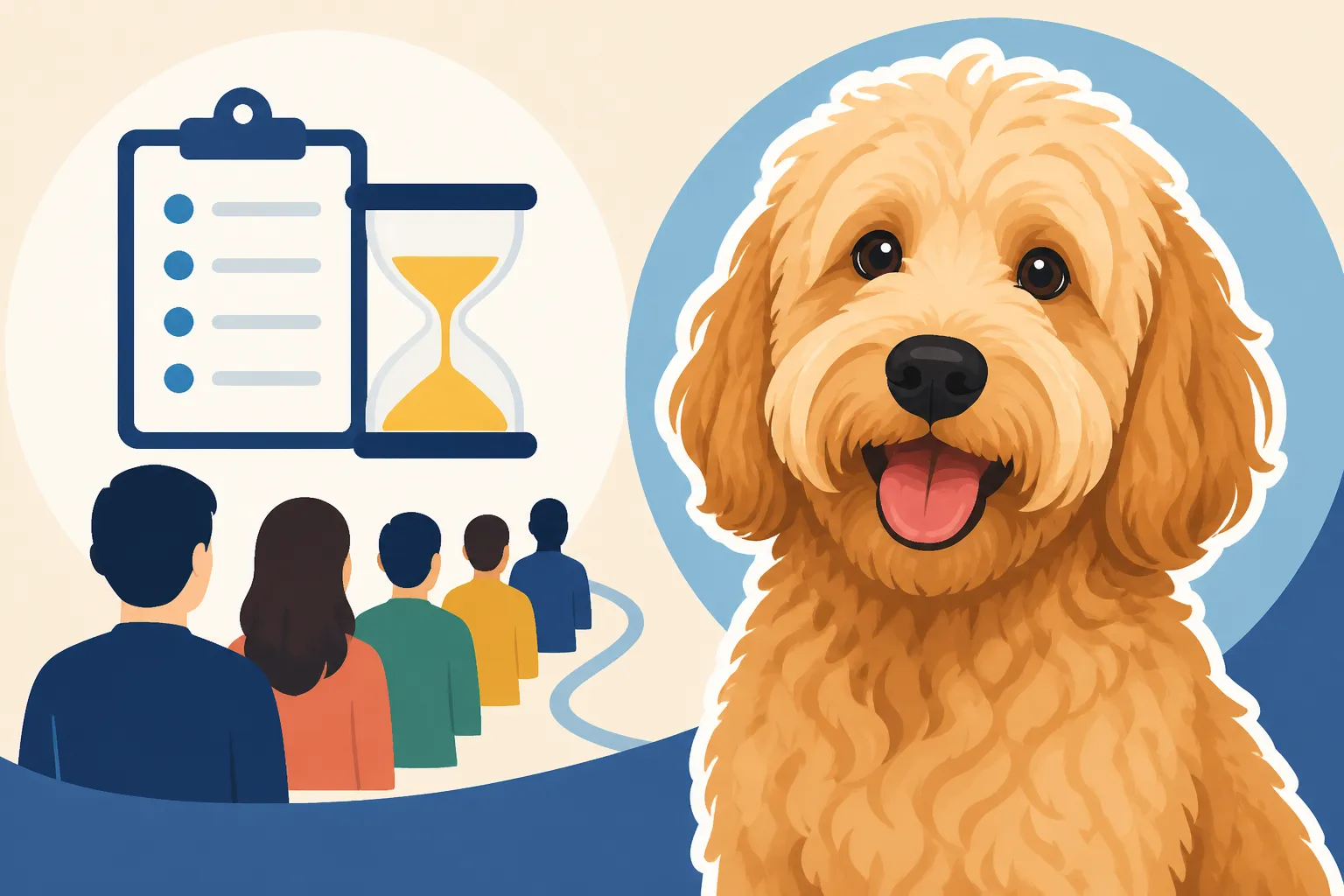
The dream of welcoming a specially trained Labradoodle into your home, whether for assistance, therapy, or specialized companionship, often comes with an emotional rollercoaster, especially when you encounter the reality of extensive waitlists. It's incredibly frustrating to feel like you're in limbo, waiting indefinitely for a furry partner who could make a profound difference in your life or the life of a loved one. This guide is here to shed light on exactly why these waitlists exist for program Labradoodles and what you can realistically expect in terms of timing.
Understanding What Makes a Labradoodle a "Program Dog"
When we talk about a "program Labradoodle," we're not just discussing any well-behaved dog. These are highly selected individuals who undergo incredibly rigorous training and socialization to perform specific tasks or provide specialized support. This isn't a simple obedience class; it's a dedicated journey of development, and it begins long before a puppy even opens its eyes. The intense commitment required by these programs is a primary reason for the often lengthy waiting periods.
The Specific Roles a Program Labradoodle Can Fill
A program Labradoodle isn't a one-size-fits-all solution. There are several distinct roles they might fill, each with its own set of requirements and training protocols. Firstly, you have assistance dogs, often referred to as service dogs, who are trained to perform specific tasks directly related to a person's disability. This could be anything from retrieving dropped items for someone with mobility limitations to alerting a diabetic owner to dangerous blood sugar changes. Historically, the Labradoodle was first developed with this very purpose in mind, seeking a hypoallergenic guide dog. Why a Labradoodle Was Bred to Be a Guide Dog
Then there are therapy dogs, who provide comfort and affection to many people in various settings like hospitals, nursing homes, or schools, often working with their handlers to brighten someone's day. They need to be incredibly calm, adaptable, and tolerant of many different people and environments. Lastly, some programs focus on breeding and initial training for highly specialized companion dogs, sometimes for families with specific needs, where the dog might not be a full "service dog" but still provides exceptional support beyond what a typical pet would. Each of these paths requires a particular temperament and intensive training, narrowing down the pool of suitable candidates considerably.
The Rigorous Selection and Training Process
The journey to becoming a program Labradoodle is not for every dog, nor is it a quick one. It starts with careful breeding, where reputable programs select parent dogs not just for health, but for proven stable temperaments. Once puppies are born, they undergo early socialization and temperament assessments. Temperament Testing a Labradoodle Puppy for Service These evaluations help identify which puppies possess the innate qualities needed for demanding program work – things like confidence, low reactivity, intelligence, and a strong desire to please. Only a fraction of puppies that enter these programs will ultimately graduate.
Those that show promise then embark on months, sometimes even years, of intensive training. This includes everything from basic obedience to advanced task training, public access etiquette, and specialized skills tailored to their future role. What Public Access Training Asks of a Labradoodle Throughout this process, dogs are continually assessed, and those who don't meet the stringent standards for temperament, health, or training aptitude are "career changed" and typically made available for adoption as highly socialized pets. This incredibly thorough, labor-intensive process means that truly ready-to-place program Labradoodles are always in high demand and short supply.
Factors Influencing the Length of Program Labradoodle Waitlists
It's natural to wonder why some people seem to get a dog quicker than others, or why the waitlist feels so unpredictable. Several interconnected factors contribute to the varying lengths of waitlists for program Labradoodles. It's not usually a simple first-come, first-served system, especially for highly specialized roles.
Demand Versus Available Supply
The most significant factor is the classic economic principle of supply and demand. There's a continuously growing demand for assistance and therapy dogs, driven by increased awareness of their benefits and a better understanding of how animals can support human well-being. Unfortunately, the supply of suitable, fully trained program Labradoodles simply cannot keep pace. As discussed, only a small percentage of puppies even make it through the rigorous selection and training process. Each successful program dog represents an immense investment of time, resources, and expert care.
Many programs are non-profit organizations, relying on donations and grants, which naturally limits their capacity. Even for-profit programs operate with considerable overhead for breeding, veterinary care, staff, and specialized facilities. This inherent imbalance means that more people are seeking these dogs than there are qualified dogs available at any given time, leading directly to longer waitlists.
Specific Program Requirements and Client Needs
The type of program dog you're seeking also plays a a crucial role in your wait time. If you're looking for a highly specialized service dog to perform multiple complex tasks for a very specific disability, the matching process becomes incredibly intricate. For instance, a diabetic alert dog needs a keen sense of smell and consistent focus, while a mobility assistance dog needs to be large enough and structurally sound for bracing. These specific requirements mean the program needs to find not just any trained Labradoodle, but the right one for your unique situation.
Programs meticulously match dogs to clients based on temperament, size, energy levels, and the specific tasks required. This personalized matching ensures the partnership is successful, but it also means that a dog might be ready, but not the right fit for the next person on the list. This is why waitlists aren't always linear; a dog that's a perfect match for someone further down the list might become available before one suited for someone who applied earlier. The Tasks a Labradoodle Is Taught for Disability Work This careful consideration, while essential for success, naturally extends wait times as programs prioritize compatibility above all else.
Funding, Resources, and Program Capacity
The capacity of any program to breed, raise, and train Labradoodles is directly tied to its funding and resources. Non-profit assistance dog organizations, for example, often rely heavily on public donations, fundraising events, and grants. The more funding they secure, the more puppies they can acquire, the more trainers they can employ, and the more comprehensive their facilities can be. This directly impacts how many dogs they can successfully train and place each year. Economic fluctuations or changes in donor priorities can impact a program's ability to expand or even maintain its current output.
Consider also the physical resources needed: dedicated breeding facilities, puppy raiser networks, training centers, veterinary partnerships, and experienced staff. All of these require significant investment. A program might have a long list of applicants, but if they only have the resources to graduate a limited number of dogs annually, the waitlist will inevitably grow. Furthermore, the specialized nature of the training means that trainers themselves need extensive experience and ongoing professional development, which is another resource-intensive aspect that limits throughput.
Navigating the Waitlist and Preparing for Your Future Companion
While the wait for a program Labradoodle can feel daunting, there are practical steps you can take to make the process smoother and ensure you're fully prepared when your canine partner finally arrives. Managing expectations and actively preparing during this period can significantly ease the anticipation.
Communicating with Program Staff
Open and polite communication with the program staff is key, but it's important to approach it with understanding. They are often managing many applicants and working diligently to match dogs. Regular, but not overly frequent, check-ins are appropriate. Ask about their estimated wait times, whether those estimates are fluid, and what factors might influence them. Understand their communication preferences—do they prefer email, phone calls, or have specific update schedules? Being respectful of their time and processes will serve you well.
When you do connect, focus on providing any updated information about your living situation, family changes, or specific needs. This ensures the program has the most accurate picture of your environment and can make the best possible match. Remember, their goal is a successful placement, and clear, concise information from you helps them achieve that. Avoid demanding updates or making unreasonable requests, as this can inadvertently strain the relationship.
Practical Preparations While You Wait
The waiting period is an excellent opportunity to prepare your home and lifestyle for your new Labradoodle. Even though it's a program dog, it will still need a loving home environment. Research and gather essential supplies like a comfortable crate, durable chew toys (Labradoodles love to chew!), appropriate food and water bowls, and grooming tools. You'll want to get acquainted with the specific needs of the Labradoodle coat type you anticipate, as some require more frequent brushing than others. For future ongoing needs, consider where you'll get their food – online retailers like Chewy often have auto-ship options that make life easier.
Think about pet insurance. A program dog is an investment, and having coverage from providers like Healthy Paws can provide peace of mind for unexpected veterinary costs, especially as your dog ages. Also, consider the daily routine: where will your dog sleep? Where will they eat? How will you manage exercise and potty breaks? Having these logistical details ironed out beforehand will make the transition much smoother for both you and your new Labradoodle. While you might not know the exact dog, you can still lay the groundwork for their arrival. For nutritional needs, if the program allows, looking into high-quality fresh food options from companies like Ollie can be beneficial for long-term health.
Exploring Alternative Paths to a Labradoodle
If the wait for a fully program-trained Labradoodle proves too long or is not feasible, there are other avenues to consider. One increasingly popular option is owner-training. What Owner Training a Service Labradoodle Costs This involves acquiring a suitable Labradoodle puppy from a reputable breeder known for stable temperaments and then working with a professional trainer who specializes in service or therapy dog work. While this requires a significant time commitment and often considerable financial investment, it can sometimes lead to a quicker placement than waiting for a fully trained dog from a large program. Whether an Owner Can Train Their Own Service Labradoodle
Another path is to look into career-change dogs from assistance dog organizations. These are Labradoodles who started program training but were deemed not quite suitable for the rigorous demands of full service work, perhaps due to a minor health issue, a slightly too-soft temperament for constant public access, or a preference for a quieter life. These dogs are typically very well-socialized, have excellent basic manners, and often make fantastic pets for individuals or families who don't require specific task work. Adopting a Career Change Labradoodle From a Program While not a program dog in the strictest sense, they offer an incredible opportunity for a well-behaved companion.
Here’s a summary of typical wait times and considerations:
| Program Type | Typical Wait Time (Estimate) | Key Factors Influencing Wait | What to Expect During the Wait |
|---|---|---|---|
| Service Dog | 2-5+ years | Highly specialized needs, intensive training, limited supply of perfect matches, funding. | Rigorous application, interviews, home visits, client training upon dog placement, ongoing communication. |
| Therapy Dog | 6 months – 2 years | Dog's temperament, handler's experience, program capacity, need for specific certifications. | Application, possibly bringing your own dog for evaluation, handler training, group certifications. |
| Specialized Companion | 1-3 years | Breeder's specific program, desired temperament traits, initial training levels, early socialization efforts. | Application, potentially puppy visits, communication with breeder/trainer, preparation for puppy's arrival. |
Remember that these are general estimates, and individual program specifics will always vary. It's vital to speak directly with any program you're considering to get their most up-to-date information. The journey to a program Labradoodle is an investment of patience and planning, but for many, the profound impact these dogs have makes every moment of the wait worthwhile.
Disclaimer
This article is for general informational purposes only and does not constitute professional advice. Laws, prices and regulations vary by location and change over time. Consult a qualified professional for guidance on your specific situation.