Pancreatitis After a Labradoodle Raids the Trash
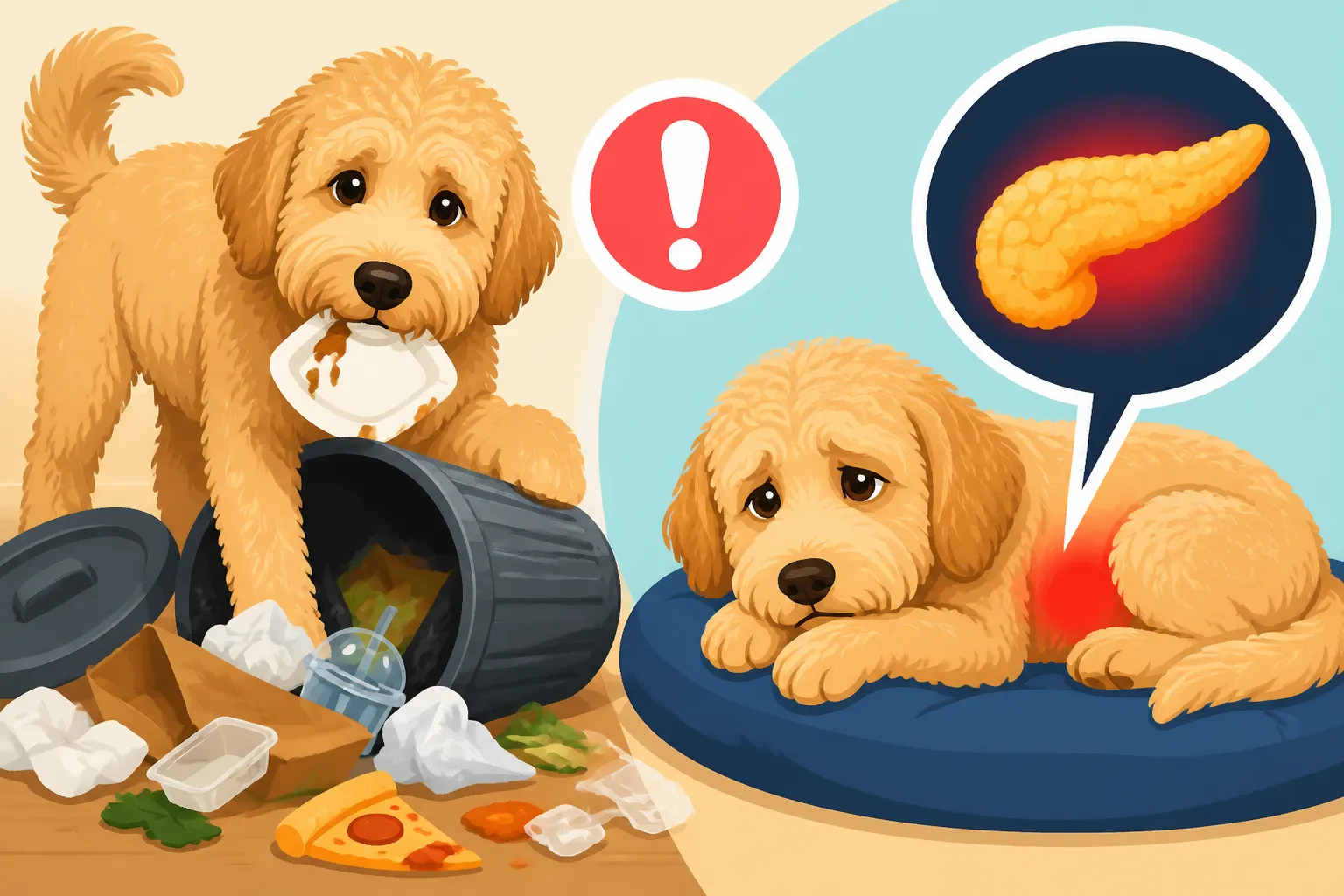
Oh, the dread that washes over you when you walk into the kitchen and see the overturned trash can, its contents strewn across the floor, and your beloved Labradoodle looking sheepish, or worse, still licking its chops. It's a scene many of us Labradoodle owners know all too well, and it's not just a messy nuisance. A single moment of opportunistic scavenging can quickly turn into a terrifying health emergency, with pancreatitis being one of the most serious and common outcomes. This guide will walk you through why trash raids are so dangerous, how to spot the signs of pancreatitis, and what vital steps you need to take to protect your furry family member.
The All-Too-Common Trash Raid: Why Your Labradoodle Can't Resist
Let's face it, Labradors and Poodles, the parent breeds of our wonderful Labradoodles, bring a unique blend of intelligence, curiosity, and sometimes, an insatiable appetite to the table. This combination can make your everyday trash can look like a five-star buffet to your dog, no matter how well-fed they are. It’s not necessarily a sign of neglect; it's often just pure, unadulterated canine instinct and opportunity.
The Powerful Drive to Scavenge
Labradors, in particular, are renowned for their food drive. They live to eat, and that translates directly into a powerful instinct to sniff out and consume anything that smells remotely edible. This trait, combined with the Poodle's keen intelligence and problem-solving skills, creates a dog that is not only highly motivated to find food but also clever enough to figure out how to get to it, even if it's behind a cupboard door or in a "secure" bin. It's why many owners find their Labradoodles are always hungry, constantly on the lookout for a dropped crumb or an unattended plate. They learn quickly, and once they've had success with a trash raid, they'll often try again.
It's a frustrating situation, to say the least. You might have tried everything – special child-proof latches, heavy bins, putting the trash out of sight – but somehow, your clever canine still manages to outsmart you. This powerful drive to scavenge is deeply ingrained in their genetic makeup, making it a constant battle of wits for many Labradoodle households. Understanding this inherent desire, which can be linked to what a Labradoodle owes to its Labrador side, is the first step in effective prevention and management.
Common Culprits: What's So Dangerous in Your Bin?
It's easy to dismiss a trash raid as just "eating some garbage," but the reality is that household waste contains a surprising number of hazards that can be incredibly detrimental to your Labradoodle's health. We're not just talking about choking hazards like chicken bones or sharp objects, though those are certainly concerns. The biggest threat often comes from the very food scraps we thought were harmless.
Leftover fatty foods are a prime example. Think about the grease from a roasted chicken, bacon drippings, discarded fatty meat trimmings, or even rich dairy products. These items, seemingly innocent to us, are highly concentrated sources of fat that a dog's digestive system isn't designed to handle in large quantities. Bones, particularly cooked ones, become brittle and can splinter, leading to internal injuries, blockages, or severe constipation. Other items like coffee grounds, chocolate, avocado pits, and certain fruit pits also pose significant toxicity risks. Even something as seemingly benign as corn cobs can cause life-threatening intestinal obstructions. It’s a minefield out there, and our dogs, in their pursuit of a tasty morsel, are often blissfully unaware of the dangers.
Understanding Pancreatitis: When a Treat Becomes a Threat
When your Labradoodle indulges in a high-fat feast from the trash, the digestive system goes into overdrive. The pancreas, a small but mighty organ, is particularly sensitive to this overload, and it can react in a very severe way. This is where pancreatitis comes into play, turning a momentary indulgence into a painful and potentially life-threatening ordeal.
What Happens Inside: The Inflamed Pancreas
The pancreas is an essential organ located near the stomach and small intestine. It has two main jobs: producing insulin to regulate blood sugar, and creating digestive enzymes that help break down fats, proteins, and carbohydrates in food. When a dog, especially a Labradoodle, ingests an unusually large amount of fat, the pancreas can become overwhelmed. Instead of the digestive enzymes traveling to the small intestine to do their job, they can activate prematurely within the pancreas itself.
This premature activation leads to the pancreas essentially "digesting itself," causing inflammation, pain, and damage to the pancreatic tissues. In severe cases, this inflammation can spread to surrounding organs, leading to a systemic inflammatory response that can be incredibly dangerous and even fatal. It's a chain reaction, all triggered by something as simple as a discarded piece of fatty meat. The pain can be excruciating, and the damage can be long-lasting, sometimes leading to chronic issues.
Spotting the Warning Signs of Pancreatitis
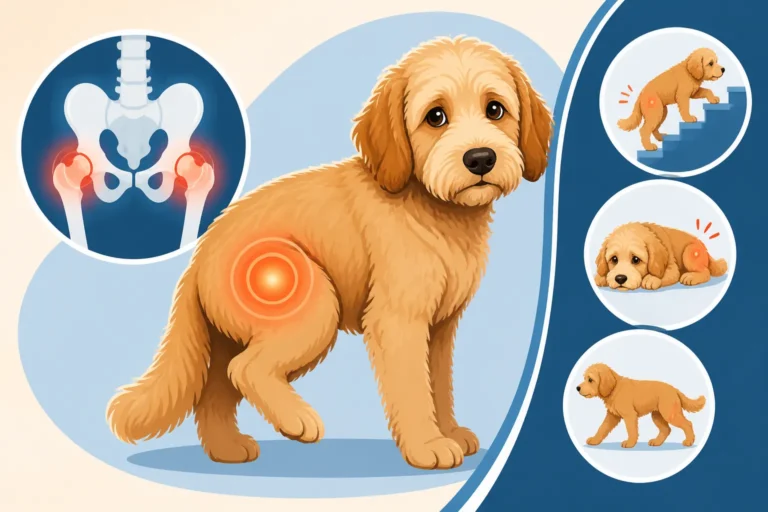
The signs of pancreatitis can vary widely, from subtle to acutely severe, and they often mirror symptoms of other gastrointestinal upsets, making early diagnosis tricky. However, if you suspect your Labradoodle has raided the trash, it's crucial to be extra vigilant for these indicators. The most common symptoms include vomiting, diarrhea, and a noticeable loss of appetite. Your dog might seem lethargic, withdrawn, and generally unwell. They might also appear to be in abdominal pain, often hunching their back or adopting a "prayer position" (front legs on the ground, rear end elevated) in an attempt to relieve discomfort.
Other signs can include fever, weakness, and dehydration. If the condition is severe, your Labradoodle could go into shock, showing symptoms like pale gums, a rapid heart rate, and extreme weakness. It's a distressing sight for any owner. Even if the signs seem mild initially, don't wait. Early intervention is key to preventing the condition from escalating. If you've seen your Labradoodle consume something suspect, especially high-fat foods, and you notice any of these symptoms, contact your veterinarian immediately. When considering your overall pet care budget, remember that emergency vet visits for conditions like pancreatitis can be costly, making pet insurance providers like Healthy Paws a valuable consideration for unexpected situations.
The Direct Link: High-Fat Foods and Pancreatitis
While the exact mechanisms can be complex, there's a very clear and well-established link between the consumption of high-fat foods and the onset of pancreatitis in dogs. Our Labradoodles' digestive systems are not designed to process large, sudden influxes of rich, fatty meals. Unlike humans, who often have a more varied diet, dogs typically eat a consistent, balanced diet designed for their canine needs. Introducing a sudden overload of fat throws their system into disarray.
Consider Thanksgiving dinner leftovers, bacon grease, fried food scraps, or even excessive amounts of rich treats. These aren't just "unhealthy" for your dog; they can be profoundly dangerous. The pancreas reacts to this challenge by trying to produce more enzymes to break down the fat. If the load is too high, or if there's a predisposition in the dog (some Labradoodles might be more sensitive due to individual genetics), these enzymes can "backfire," leading to the inflammation. This is why even a small amount of a very fatty food can trigger a severe episode in some dogs, while others might tolerate a bit more. It's a gamble you never want to take with your Labradoodle's health.
Immediate Action: What to Do After a Trash Incident
The moment you discover your Labradoodle has gotten into the trash, panic can easily set in. But taking swift, calm, and informed action can make all the difference in the outcome. This isn't just about cleaning up the mess; it's about safeguarding your dog's health.
Assessing the Damage: When to Worry Immediately
First, try to figure out what exactly your Labradoodle ate. This is crucial information for your vet. Did they get into cooked bones? Fatty meat scraps? Chocolate? Any medication? Knowing the potential culprits will help your vet determine the best course of action. If you suspect toxic substances like rat poison, medications, or chemicals, or if you see evidence of cooked bones or sharp objects, consider it an immediate emergency. Even if you're unsure, or if the amount of fatty food was significant, it's always safer to err on the side of caution.
Once you've assessed what they might have eaten, observe your Labradoodle closely for any immediate signs of distress: choking, gagging, excessive drooling, sudden weakness, or vomiting. If they are showing any of these, don't delay – call your vet immediately. Even if they seem fine initially, symptoms of pancreatitis can take hours, sometimes even a day or two, to manifest. This delay is precisely why preemptive action and vigilance are so important after a trash raid.
Your Vet is Your Best Friend: Getting Professional Help
Regardless of what your Labradoodle ate, if it was anything beyond a small, non-toxic amount of regular dog food, contacting your veterinarian or an emergency animal hospital is your absolute top priority. Don't try to induce vomiting unless specifically instructed to do so by a vet, as it can sometimes cause more harm than good, especially with certain toxins or sharp objects. Your vet will ask you about what was consumed, the quantity, and when it happened. Be as detailed as possible.
Based on this information, your vet might recommend bringing your Labradoodle in for an examination, blood tests, or other diagnostics. They may advise withholding food and water for a period to rest the digestive system, or they might suggest a specific course of action depending on the ingested item. Never hesitate to call them, even if it's just for advice. They are the experts, and their guidance is invaluable in these stressful situations. Regular wellness check-ups, part of what should be included in the yearly screening a Labradoodle should get, can also help establish a baseline for your dog's health, making it easier for your vet to detect anomalies during an emergency.
The Road to Recovery: Diagnosis and Treatment
If your Labradoodle is admitted for suspected pancreatitis, the diagnostic process typically involves blood tests, most notably a specific canine pancreatic lipase immunoreactivity (cPLI) test, which is highly indicative of pancreatic inflammation. Ultrasounds can also be used to visualize the pancreas and check for fluid accumulation or other abnormalities.
Treatment for pancreatitis primarily focuses on supportive care and managing symptoms. This almost always includes intravenous (IV) fluids to combat dehydration and maintain electrolyte balance, especially if there's been vomiting and diarrhea. Pain management is crucial, as pancreatitis is incredibly painful, so your dog will likely receive injectable pain medication. Anti-nausea medications are also commonly administered to control vomiting. In some cases, antibiotics may be given, though pancreatitis itself isn't a bacterial infection. The most important aspect of recovery is resting the pancreas, which means withholding food and sometimes even water for a period. As they improve, a gradual reintroduction of a very bland, low-fat diet will begin. This can be a challenging time for both you and your Labradoodle, but patience and strict adherence to veterinary instructions are paramount. Unexpected vet bills for such treatments can be substantial, which is where a reliable pet insurance plan, such as those offered by Healthy Paws, can provide much-needed financial relief.
Life After Pancreatitis: Managing Your Labradoodle's Health
Surviving an acute episode of pancreatitis is a relief, but it's often not the end of the journey. For many Labradoodles, it means a renewed commitment to preventative measures and often a lifelong adjustment to their diet and lifestyle to prevent recurrence.
Bolstering Your Defenses: Preventing Future Raids
The best treatment for pancreatitis is prevention. After an incident, you'll want to re-evaluate your home environment with a critical eye. This means securing all trash cans with heavy-duty lids, child-proof latches, or even keeping them in a locked pantry or garage. Teach your Labradoodle a strong "leave it" command, which can be life-saving for a dog that likes to counter surf or investigate forbidden items. Reinforce this command frequently with high-value treats (dog-friendly, of course!). Consistency is key; even one successful trash raid can set back weeks of training.
Consider implementing a "safe zone" for your Labradoodle when you're not able to supervise them directly, perhaps a crate or a dog-proofed room. While it's tempting to believe that once a dog has been sick, they'll learn their lesson, a Labradoodle's powerful food drive and curiosity often override any unpleasant memories of illness. Investing in mentally stimulating toys, puzzle feeders, and regular exercise can also help reduce boredom and the urge to seek out illicit snacks. Remember, for training, using the right motivation helps, and knowing what the treats a Labradoodle trains best for can make all the difference.
Dietary Management for a Sensitive System
For Labradoodles who have experienced pancreatitis, dietary changes are usually a permanent fixture. Your vet will likely recommend a low-fat prescription diet, or guide you on how to formulate a homemade low-fat, highly digestible diet. These specialized foods are crucial because they reduce the workload on the pancreas, minimizing the risk of another inflammatory episode. You'll need to be incredibly disciplined about treats and table scraps; even a small piece of fatty food could trigger a relapse.
It’s not just about what they shouldn't eat, but also ensuring they get appropriate nutrition. Some dogs may need enzyme supplements to help digest their food if the pancreas has been significantly damaged. Always consult your vet before making any drastic dietary changes. Remember the importance of keeping a Labradoodle's weight in range, as obesity can be a complicating factor for pancreatic health. Discussions around whether a Labradoodle needs grain free food are common, but for a dog with a sensitive pancreas, the focus should be on fat content and digestibility, as recommended by your vet, rather than specific grain exclusion unless medically indicated.
Lifelong Vigilance and Support
Even after recovery and dietary adjustments, lifelong vigilance is essential for Labradoodles who have had pancreatitis. This includes careful monitoring for any recurring symptoms, maintaining a strict diet, and attending regular veterinary check-ups. Your vet may recommend periodic blood tests to monitor pancreatic enzyme levels and overall health. As your Labradoodle ages, their needs will change, and maintaining good health through their senior years, similar to how one might adjust care for what changes in a Labradoodle's coat after ten or when feeding an old Labradoodle that has slowed down, will be paramount.
Understanding the potential for recurrence and being prepared for it is part of responsible pet ownership. Having an emergency plan in place, knowing the signs, and being ready to contact your vet at the first hint of trouble can literally save your Labradoodle’s life. With careful management, many Labradoodles can live long, happy lives after a pancreatitis diagnosis, but it requires a dedicated commitment from their loving owners.
Common Trash Items and Their Pancreatitis Risk
Here’s a quick overview of common trash items and the general risk they pose:
| Item Type | Examples | Pancreatitis Risk | Other Risks (if any) | What to Do |
|---|---|---|---|---|
| High-Fat Foods | Bacon grease, cooked meat trimmings, fatty dairy | High | Vomiting, diarrhea, abdominal pain, dehydration | Immediate vet call, monitor symptoms, withhold food/water |
| Cooked Bones | Chicken, turkey, rib bones | Low (direct) | High (choking, internal injury, obstruction), pancreatitis if fatty | Immediate vet call, monitor for choking/distress |
| Chocolate | Bars, baking chocolate, cocoa powder | Moderate | High (Toxicity: vomiting, diarrhea, seizures, heart issues) | Immediate vet call, provide details of type and quantity |
| Coffee Grounds/Beans | Used grounds, coffee beans | Low | High (Caffeine toxicity: hyperactivity, tremors, seizures) | Immediate vet call, provide details |
| Avocado Pits | Avocado seeds | Low | High (Choking, intestinal obstruction) | Monitor for obstruction signs, vet if symptoms appear |
| Corn Cobs | Leftover corn on the cob | Low | High (Intestinal obstruction) | Monitor for obstruction signs, vet if symptoms appear |
| Grapes/Raisins | Fresh grapes, raisins | Low | High (Kidney failure) | Immediate vet call, provide details |
| Xylitol | Sugar-free gum, candies, some peanut butter | Low | Extremely High (Severe hypoglycemia, liver failure) | IMMEDIATE EMERGENCY VET VISIT |
| Medications | Human pills, pet medications | Varies | High (Toxicity, organ damage) | IMMEDIATE EMERGENCY VET VISIT, bring packaging/bottle |
| Foil/Plastic Wraps | Aluminum foil, plastic film, cling wrap | None | Moderate (Choking, obstruction) | Monitor for choking/distress, vet if symptoms appear |
| Moldy Food | Spoiled bread, cheese, leftovers | High | High (Tremorgenic mycotoxins: tremors, seizures) | Immediate vet call, monitor for neurological signs |
Note: This table provides general guidance. Always contact your veterinarian immediately if you suspect your Labradoodle has ingested something dangerous from the trash, as individual reactions can vary greatly.
Disclaimer
This article is intended for informational purposes only and does not constitute medical advice. Always consult with a qualified veterinarian for any health concerns or before making any decisions about your Labradoodle's medical care or diet.