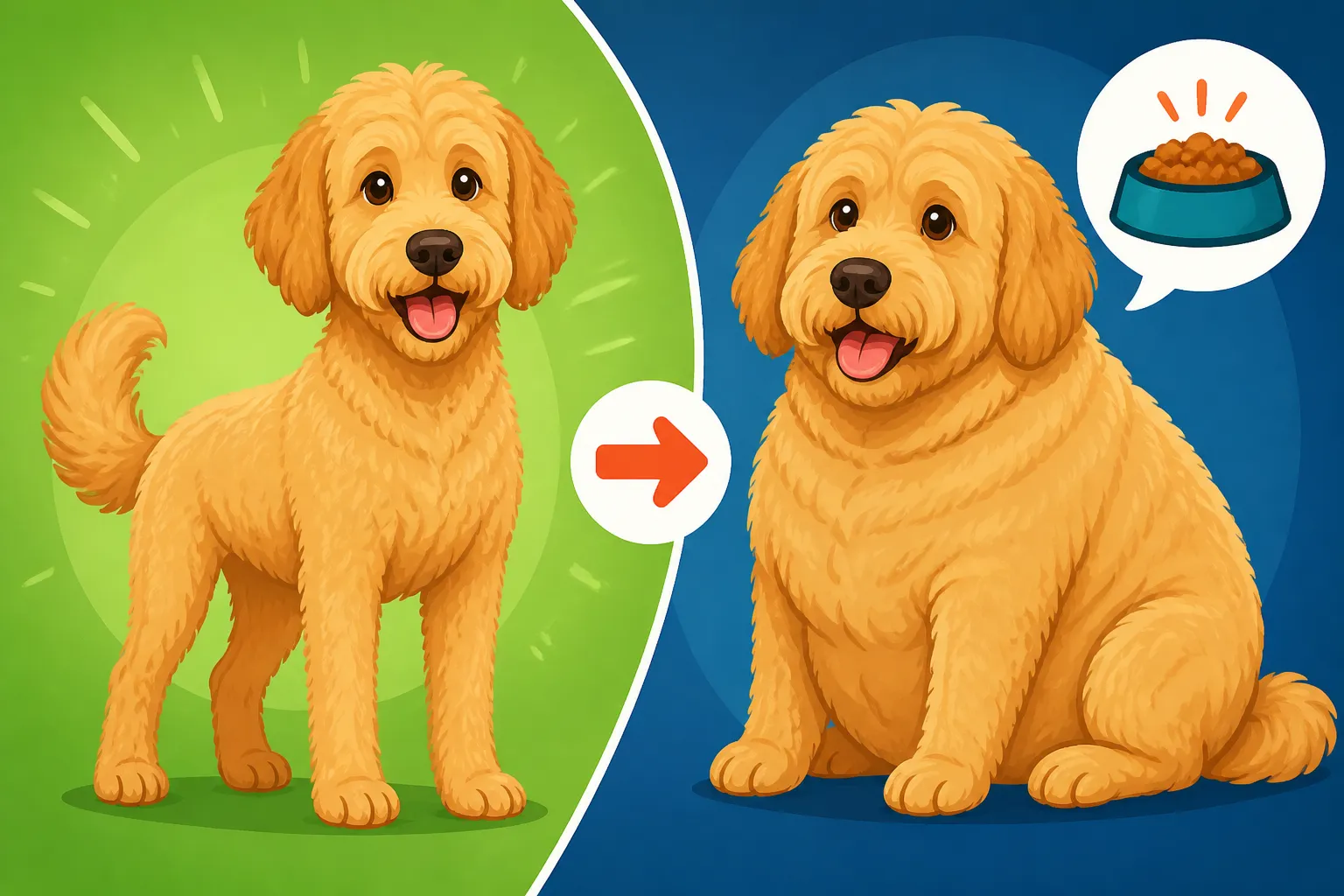
The Weight a Labradoodle Puts On Without Anyone Noticing
It’s a tale as old as time for many dog owners: you look at your beloved Labradoodle, and suddenly, they seem a little… rounder. The trouble is, with their gorgeous, fluffy coats, those extra pounds can sneak up on you and them without much fanfare, leaving you wondering how your lean, energetic companion turned into a cuddly, slightly heavier version overnight. This guide is here to help you understand why Labradoodles are prone to subtle weight gain, how to spot it, and what you can do to keep your furry friend at their healthiest, happiest weight.
The Sneaky Nature of Labradoodle Weight Gain
Labradoodles are masters of disguise, not intentionally, of course, but their very appearance can make tracking their weight a genuine challenge. It’s easy to miss those slow, creeping pounds until they’ve become a more significant issue, often leaving owners scratching their heads.
Why Their Fluffy Coats Hide Pounds So Well
Imagine trying to gauge someone’s body shape when they’re wearing a thick, oversized winter coat. That’s pretty much what it’s like trying to assess a Labradoodle’s physique when their glorious fleece or wool coat is at full length. These coats, celebrated for being low-shedding and often hypoallergenic, are also incredibly dense and can puff out, creating an illusion of svelteness even when a dog is packing on extra weight. You might run your hands over their sides, feeling what you think are ribs, but the layer of fur can make it difficult to truly gauge their body condition.
This optical illusion often means that owners don't notice the weight creeping up until it's substantial, perhaps at a routine vet visit or during a professional grooming session when their fur is clipped short. Many Labradoodle owners find that their groomer is often the first to point out a dog’s changing body shape once all that beautiful fluff is trimmed away. This is why regular tactile assessments, feeling through the fur, are so crucial.
The "Just a Little Extra" Mentality
Let’s be honest, who can resist those soulful Labradoodle eyes when they’re begging for a bite of your dinner or another treat? We all love to spoil our pets, and it often comes from a place of deep affection. That "just a little extra" piece of cheese, the leftover crust from your toast, or an extra biscuit before bed can feel so insignificant in the moment. However, these small, frequent additions to their daily caloric intake add up remarkably fast.
What seems like a tiny indulgence to us can be a significant portion of a dog’s daily calorie needs, especially for a dog whose metabolism might be slowing down or whose exercise routine isn't as rigorous as it once was. Many owners don't meticulously track these extra calories, leading to an unconscious overfeeding pattern. It’s not about depriving them, but rather about understanding the cumulative effect of these seemingly small acts of love on their waistline.
Understanding Your Labradoodle's Ideal Body Condition
Knowing what a healthy Labradoodle should look and feel like is your first line of defense against unnoticed weight gain. It moves beyond just a number on the scale and focuses on their overall physical state.
What a Healthy Weight Looks and Feels Like
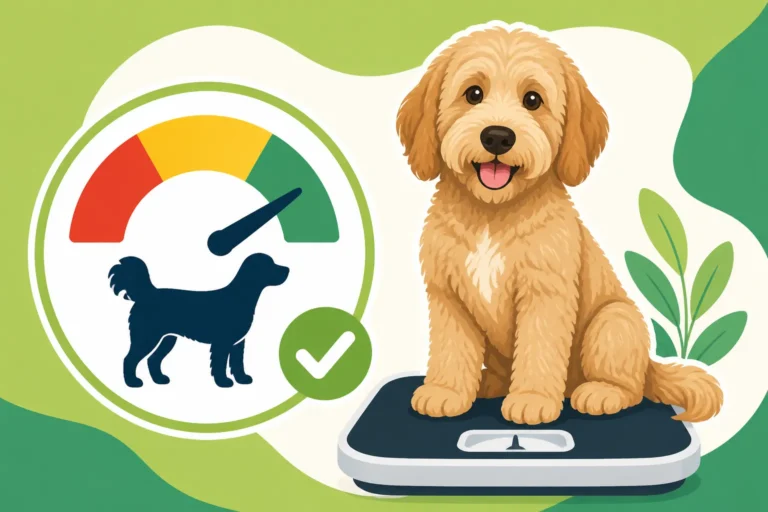
When your Labradoodle is at a healthy weight, you should be able to easily feel their ribs when you gently run your hands along their side, much like feeling the knuckles on the back of your hand. You shouldn't see their ribs prominently, but they should be palpable without having to press hard. From above, you should observe a distinct waistline, an "hourglass" shape where their body tucks in behind their rib cage before widening slightly at their hips. Looking from the side, their abdomen should tuck up, not sag down in a straight line or bulge.
It’s a combination of visual cues and physical touch. Their spine should also be easily felt, though not sharply protruding. Their muscles should feel firm, not flabby. Getting comfortable with these tactile checks, even through their thick coat, is vital. Aim to do a quick "body check" regularly, perhaps during your weekly brushing routine, to catch any changes early. This consistent habit is far more telling than just looking at them, especially with that abundant fur.
Breed-Specific Considerations for Labradoodles
Labradoodles come in a range of sizes—miniature, medium, and standard—which means there’s no single "ideal weight" that applies to every dog. A miniature Labradoodle might be perfectly healthy at 15-25 pounds, while a standard can comfortably weigh between 50-65 pounds. These variations are significant, and understanding your specific dog's lineage and expected adult size is important. The genetic blend of the Labrador Retriever and the Poodle also plays a role in their build and metabolism. Labradors are famously food-motivated and can be prone to weight gain, a trait that can certainly be passed on to their Labradoodle offspring.
Furthermore, individual genetics mean that even two standard Labradoodles of the same height might have different ideal weights based on their bone structure and muscle mass. It’s always best to consult with your veterinarian to determine a healthy target weight range for your particular Labradoodle, taking into account their age, sex, and activity level. They can help you understand The Weight a Labradoodle Should Hold specific to your dog's unique needs, rather than relying on general breed standards.
Common Pitfalls Leading to Unnoticed Weight Gain
Even with the best intentions, several common habits and environmental factors can contribute to a Labradoodle gradually gaining weight without their owners realizing the extent of the issue. These are often subtle shifts that accumulate over time.
The Sedentary Lifestyle Creep
Labradoodles are generally active, intelligent dogs that thrive on regular exercise and mental stimulation. However, life happens, and sometimes our own routines become less active, directly impacting our dogs. A busy work schedule, a new baby, or even just colder weather can lead to walks becoming shorter, playtime decreasing, or structured activity being replaced by more couch time. While your Labradoodle might seem content napping by your feet, a gradual reduction in their daily calorie expenditure means that their previous food intake will now be in excess.
A Labradoodle, especially in its younger years, possesses a good deal of energy, partly inherited from the Labrador side, which was bred for retrieving and active work. If this energy isn't channeled into sufficient physical activity, those unspent calories are stored as fat. Owners might mistakenly believe a quick stroll around the block is enough, but for many Labradoodles, especially during their prime, this is barely a warm-up. They need engaging, vigorous exercise, whether it's long walks, games of fetch, or even swimming, to maintain a healthy metabolism. Ignoring this can lead to Exercise Induced Collapse and the Labradoodle's Labrador Half if they suddenly get a burst of intense activity after a period of being sedentary.
Calorie Counting Confusion and Hidden Extras
Navigating the world of dog food labels and nutrition can be genuinely confusing. Many commercial dog foods, especially those marketed for "all life stages" or "active dogs," are quite calorie-dense. Owners often feed the amount recommended on the bag, without realizing that these guidelines are often for highly active dogs, or they don't account for all the "extras" their dog receives. Every treat, every dental chew, every Kong stuffed with peanut butter, and every piece of kibble used for training adds calories.
What's more, Labradoodles are notorious for their love of food, a trait that often comes from their Labrador lineage. They can seem perpetually hungry, making it challenging for owners to gauge if they're truly starving or just being opportunistic. This innate desire for food means that even if you're careful with meals, the cumulative effect of seemingly small treats can dramatically increase their daily caloric intake. It’s easy to fall into the trap of thinking a treat is negligible when, in reality, it could be the equivalent of a human eating an extra candy bar or two every day. Understanding Whether a Labradoodle Is Always Hungry can help owners manage expectations and resist overfeeding.
Health Implications of Overlooked Weight Gain
The consequences of carrying extra weight extend far beyond just looking a bit chunky. For a Labradoodle, even a few extra pounds can significantly impact their long-term health, comfort, and overall quality of life.
Stress on Joints and Increased Risk of Orthopedic Issues
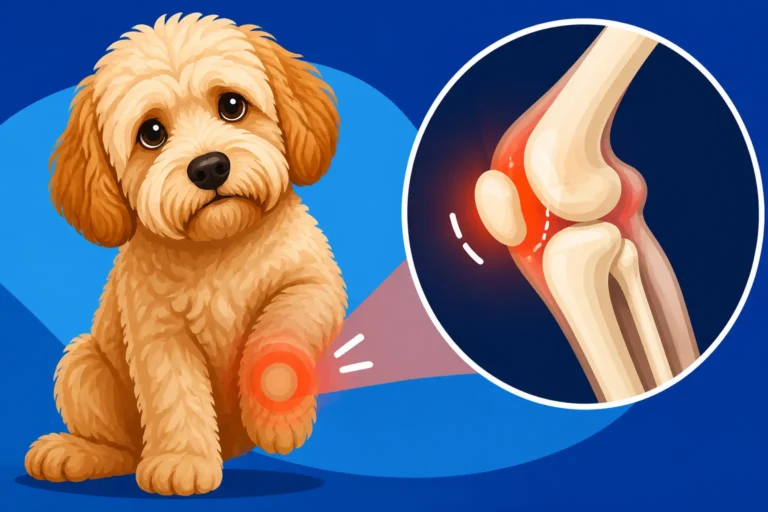
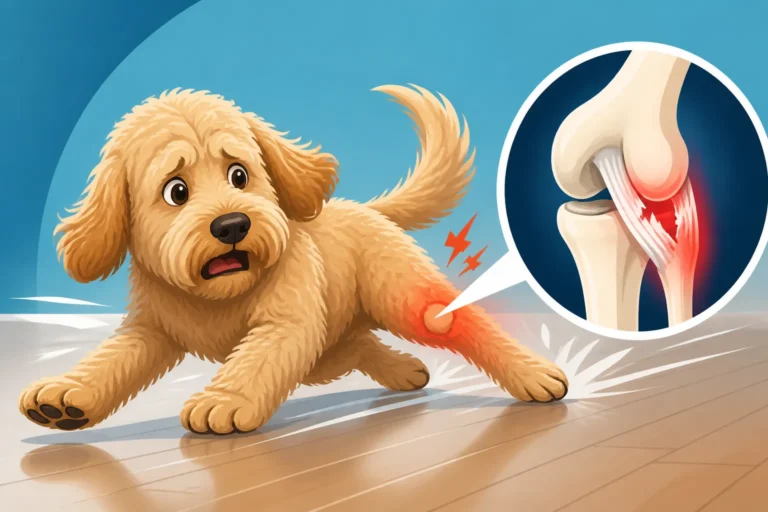
One of the most immediate and impactful effects of excess weight on a Labradoodle is the added strain it places on their joints. Labradoodles, like their parent breeds, can be predisposed to certain orthopedic conditions such as hip and elbow dysplasia, as well as patellar luxation (slipping kneecaps). When a dog carries additional weight, it amplifies the pressure on these already vulnerable joints, accelerating the degeneration of cartilage and increasing inflammation. This can lead to earlier onset and more severe symptoms of arthritis, causing chronic pain, lameness, and reduced mobility.
Imagine carrying a heavy backpack all day, every day – that's what being overweight feels like for your dog's joints. It makes activities like running, jumping, and even just getting up from a lying position more difficult and painful. This can be particularly heartbreaking to witness in a breed known for its playful and active nature. Maintaining a healthy weight is crucial in mitigating the severity of conditions like Hips and Elbows in a Sixty Pound Labradoodle and can significantly prolong their comfortable, active years.
Elevated Risk for Serious Metabolic Conditions
Beyond joint issues, unnoticed weight gain in Labradoodles can dramatically increase their risk of developing a host of serious metabolic and systemic health problems. Obesity is a significant risk factor for conditions like canine diabetes, where the body either doesn't produce enough insulin or can't effectively use the insulin it produces, leading to high blood sugar. It can also contribute to heart disease, putting extra strain on the cardiovascular system, and increase the likelihood of respiratory problems, especially in warmer climates.
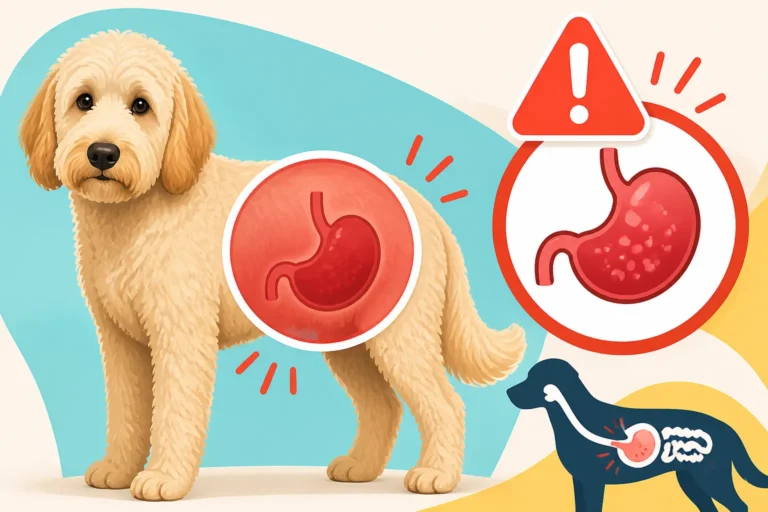
Furthermore, overweight dogs are more prone to certain types of cancer and have a higher risk of complications during anesthesia for any necessary surgeries. Conditions like pancreatitis can also be triggered or exacerbated by high-fat foods and obesity, especially if a Labradoodle happens to indulge in raiding the trash or getting into fatty table scraps. The cost of managing these chronic conditions can also be substantial. Pet insurance providers like Healthy Paws can offer a lifeline for unexpected veterinary expenses, but preventative care, including weight management, is always the best first step. The reality is that extra weight can shorten The Twelve to Fifteen Years a Labradoodle Lives, impacting not just the quality, but also the length of their life.
Proactive Strategies for Weight Management
Catching weight gain early and implementing proactive management strategies is the most effective way to keep your Labradoodle healthy and happy. It requires consistency, awareness, and a bit of discipline.
Establishing a Consistent Feeding and Exercise Routine
The cornerstone of effective weight management for your Labradoodle is a consistent and well-planned feeding and exercise routine. Start by accurately measuring your dog's food. Don't eyeball it – use a kitchen scale for precise portion control, as scoops can vary. Divide their daily allowance into two meals to help regulate their metabolism and prevent them from feeling excessively hungry. If your Labradoodle tends to eat too quickly, consider using a slow feeder bowl or a puzzle feeder; these not only extend mealtime but also provide mental stimulation. For training treats, use small, low-calorie options, or simply reserve a portion of their daily kibble for rewards.
When it comes to exercise, remember that Labradoodles are built for activity. Aim for at least 60-90 minutes of moderate to vigorous exercise daily, broken into multiple sessions. This could include a brisk walk, a run in a safe, fenced area, fetch, or even swimming. Varying their activities keeps them engaged and targets different muscle groups. If you're struggling to find time, even short bursts of high-intensity play can make a difference. Consistency is key here; a regular schedule helps their body regulate metabolism and keeps them physically and mentally fit.
Regular Vet Checks and Professional Guidance
Routine veterinary check-ups are absolutely indispensable in monitoring your Labradoodle's weight and overall health. Your vet can provide an objective assessment of your dog's body condition score (BCS), which is a much more accurate measure of fat stores than just looking at their weight on the scale. They can help you determine a healthy target weight for your individual dog and create a tailored dietary and exercise plan. This might involve recommending a specific weight management food, advising on portion adjustments, or suggesting appropriate exercise routines based on your dog's age and any pre-existing health conditions.
Don't hesitate to be completely transparent with your vet about everything your Labradoodle eats, including treats, table scraps, and even dental chews. These seemingly small additions can make a big difference. Your vet is your best partner in this journey, offering expert guidance and support. They can also perform The Yearly Screening a Labradoodle Should Get, which includes blood work that can rule out underlying medical conditions, such as thyroid issues, that might contribute to weight gain. Staying on top of these regular appointments can also make it easier to utilize your Healthy Paws pet insurance policy should any weight-related health issues arise.
Practical Tools and Tips for Monitoring Weight
Keeping tabs on your Labradoodle’s weight doesn’t have to be a daunting task. With a few simple tools and consistent habits, you can effectively monitor their progress and make adjustments as needed.
Weighing Your Labradoodle at Home and Beyond
For smaller Labradoodles, you can easily track their weight at home using your bathroom scale. Simply weigh yourself first, then pick up your dog and weigh yourself again while holding them. Subtract your weight from the combined weight to get your dog's weight. For medium to standard-sized Labradoodles, this might not be feasible or safe. In these cases, many veterinary clinics are happy to let you pop in for a quick weight check on their scales, often at no charge. Some pet supply stores also have scales available for public use.
Aim to weigh your Labradoodle consistently, perhaps once a month, and keep a simple log. This allows you to spot trends and minor increases before they become significant problems. This regular data collection helps you confirm if your body condition assessments are accurate and if your dietary or exercise adjustments are working. It's much easier to make small tweaks to food portions or exercise routines early on, rather than tackling a major weight loss challenge down the road.
Adjusting Diet and Exercise as Your Labradoodle Ages
Just like us, a Labradoodle's metabolic needs and activity levels change as they age. A highly active two-year-old might need significantly more calories than a ten-year-old senior Labradoodle who prefers shorter walks and more naps. Ignoring this natural shift is a common reason why older dogs tend to gain weight. As your Labradoodle approaches The Birthday a Labradoodle Counts as Senior, typically around 7-8 years old for a standard size, their caloric requirements will likely decrease.
It’s important to transition to a senior-specific dog food, which is often lower in calories and sometimes fortified with joint-supporting supplements. Additionally, you'll need to modify their exercise routine. While they still need regular activity, intense, high-impact exercise might become too strenuous. Opt for shorter, more frequent walks, gentle swimming, or mentally stimulating games that don't put excessive strain on their joints. Pay close attention to What a Labradoodle Owner Should Watch For After Eight, as their overall health can begin to change, impacting their energy levels and dietary needs. These thoughtful adjustments are crucial for helping them maintain a healthy weight and enjoy their golden years comfortably.
| Characteristic | Ideal Body Condition | Overweight |
|---|---|---|
| Ribs | Easily felt without pressing hard | Difficult to feel under a layer of fat |
| Waistline | Clearly visible tuck behind the ribs from above | Absent or barely discernible; body appears oval or rounded |
| Abdominal Tuck | Distinct upward slope from chest to hind legs from side | Straight line or slight sag; no upward tuck |
| Muscle Mass | Firm and well-defined | Soft, flabby, or poorly defined |
| Energy Levels | Enthusiastic for play and walks | Less active, more prone to panting, tiring easily |
| Breathing | Even and unlabored | May pant excessively after mild exertion |
| Coat Feel | Healthy and resilient, allowing tactile assessment | May feel thicker or "padded" due to underlying fat |
Disclaimer
This article is intended for informational purposes only and is not a substitute for professional veterinary advice. Always consult with a qualified veterinarian for any health concerns or before making any changes to your Labradoodle's diet, exercise, or health care regimen.