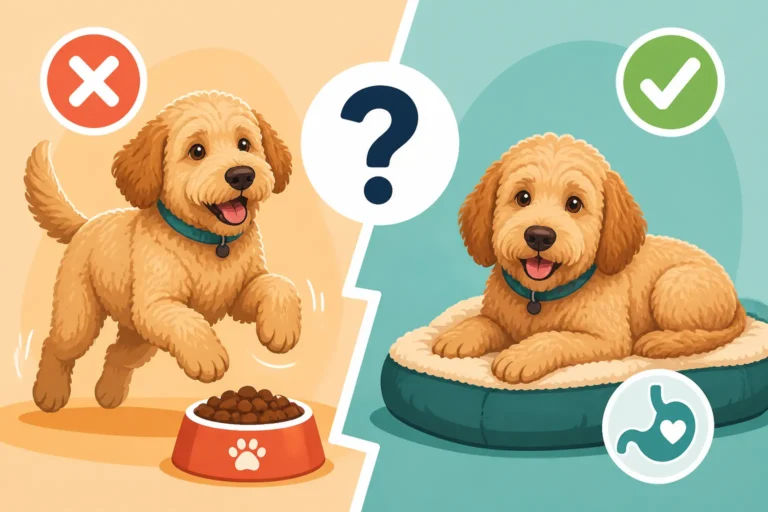
Bloat Risk in a Standard Poodle Bred Labradoodle
There's a deep, gut-wrenching fear that many Labradoodle owners live with – the thought of bloat. This isn't just an upset tummy; it's a terrifying, rapidly progressing condition that can turn a happy, bouncy dog into a critical emergency in mere hours. For us Labradoodle parents, understanding this silent threat and knowing how to act can literally mean the difference between life and loss. This guide is here to unravel the complexities of bloat, specifically focusing on the risks for our beloved Labradoodles, and equip you with the knowledge to protect them.
Understanding Bloat: What Exactly Is Gastric Dilatation-Volvulus (GDV)?
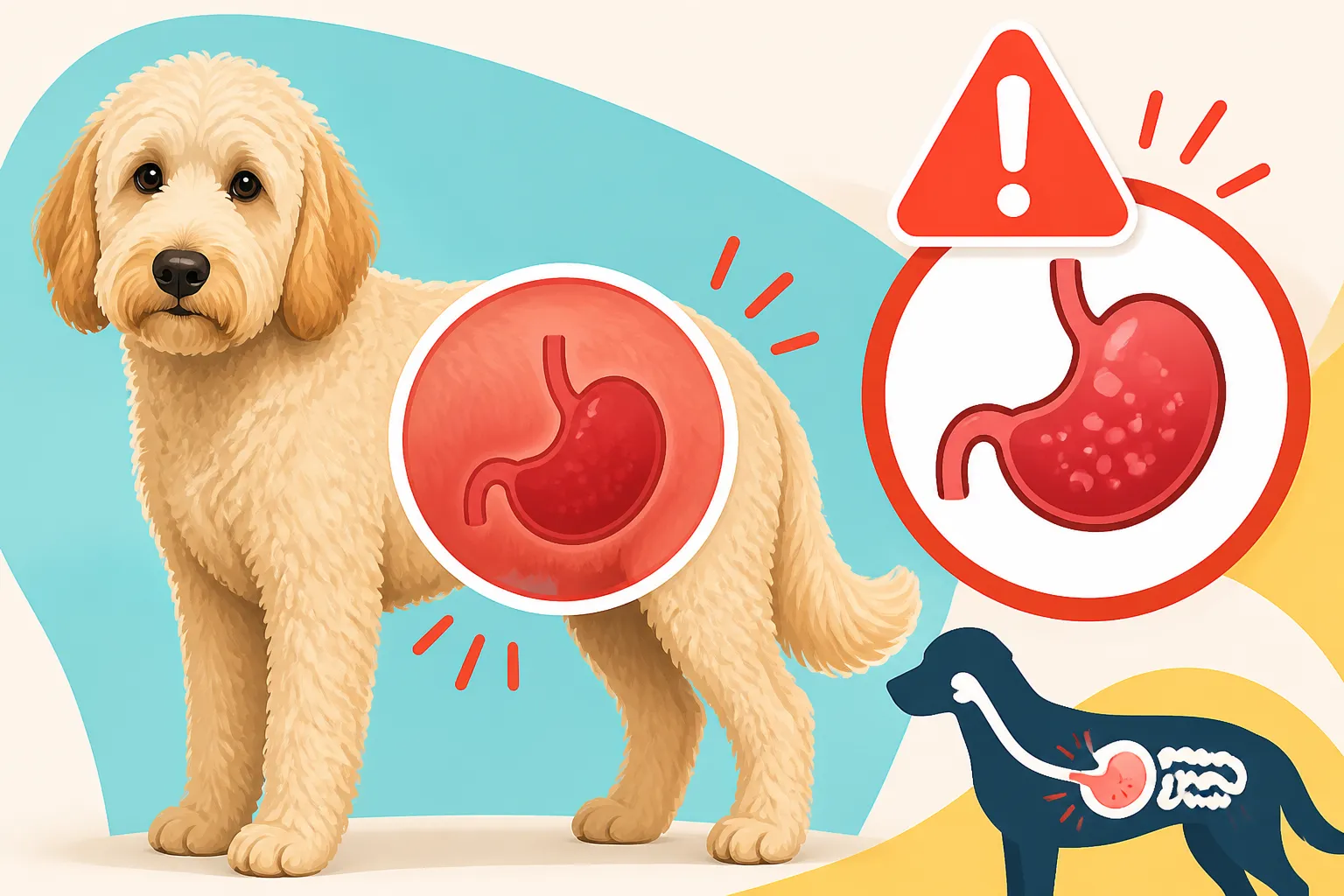
When we talk about "bloat" in dogs, we're usually referring to something far more serious than just a full belly. The medical term for this life-threatening condition is Gastric Dilatation-Volvulus, or GDV. It's a terrifying scenario where a dog's stomach first fills with gas and fluid (dilatation) and then, in many cases, twists upon itself (volvulus). It's a medical emergency that demands immediate, swift action.
The Mechanics of Bloat: How the Stomach Distends
Imagine your Labradoodle's stomach, usually a fairly flexible pouch designed to hold food and digestive juices. In the case of GDV, this organ starts to rapidly accumulate gas and often fluid. This isn't just a little extra air; we're talking about a dramatic distension, where the stomach inflates like a balloon. The exact reasons for this sudden gas buildup aren't always clear, but it's thought to involve swallowed air, fermentation of food, or even a spasm in the pyloric sphincter (the valve between the stomach and small intestine).
This rapid swelling puts immense pressure on other organs, including the diaphragm, making it incredibly difficult for your Labradoodle to breathe. The distended stomach also presses on major blood vessels, hindering blood flow back to the heart. This leads to a cascade of systemic shock, where the dog's body struggles to maintain normal functions. It's a painful and incredibly stressful experience for them, and one that requires urgent attention from a veterinary professional.
The Life-Threatening Twist: What Happens During Volvulus
While dilatation (the swelling) alone is serious, the volvulus or twisting is what truly makes GDV so lethal. Once the stomach is bloated with gas, it becomes unstable and can flip over, often by 180 to 360 degrees. This twist pinches off both the entrance and exit of the stomach. Food, gas, and fluid become completely trapped, unable to move forward into the intestines or be vomited back up.
More critically, this twisting also cuts off the blood supply to the stomach itself, causing its tissue to quickly die. It also impacts the spleen, which is attached to the stomach, often leading to splenic damage. The lack of blood flow, combined with the extreme pain and shock, can lead to organ failure, heart arrhythmias, and ultimately, death if not treated surgically and rapidly. This is why knowing what to do when your Labradoodle is bloating is so absolutely critical. Every minute truly counts.
Why Bloat is a Veterinary Emergency
There's no "wait and see" when it comes to bloat. GDV is a true life-or-death emergency that requires immediate veterinary intervention, often surgical. If left untreated, most dogs will die within hours due to shock, organ damage, and tissue necrosis. The pain is excruciating, and the internal damage progresses incredibly quickly.
When you rush your Labradoodle to the emergency vet, they will work quickly to stabilize your dog, often attempting to decompress the stomach by inserting a tube or a trocar (a large needle) to release the trapped gas. This provides temporary relief, but it doesn't address the twist. The definitive treatment for GDV is surgery, where the stomach is untwisted, examined for damage, and then usually "tacked" to the abdominal wall in a procedure called a gastropexy. This tacking helps prevent future twisting, though it doesn't prevent the initial dilatation. The survival rate for GDV is significantly higher when treatment is initiated within a few hours of onset, highlighting just how urgent this situation is for any dog owner.
The Deep Chest Connection: Why Labradoodles Are at Risk
It’s an unfortunate reality that certain breeds, and dogs with particular body types, are more predisposed to GDV than others. Our wonderful Labradoodles, being a cross between a Labrador Retriever and a Poodle (often a Standard Poodle), inherit traits from both sides that can increase their risk.
Inheriting the Poodle's Physique: The Genetic Predisposition
One of the most significant factors contributing to bloat risk in Labradoodles comes directly from their Poodle heritage, particularly if a Standard Poodle was used in the cross. Standard Poodles are well-known for their deep, narrow chests. This specific body conformation is considered a major anatomical risk factor for GDV. In a deep-chested dog, there's more space for the stomach to distend and then swing or rotate, leading to the dreaded volvulus.
It’s not just the depth of the chest, but often the ratio of depth to width. A dog with a chest that is much deeper than it is wide has a higher likelihood of experiencing this gastric torsion. This characteristic is a hallmark of the Standard Poodle, and thus, a trait that many Labradoodles inherit. It’s one of those things you might not even notice or think about when admiring your Labradoodle’s elegant build, but it's a critical piece of the puzzle when discussing bloat risk. You might want to read more about The Deep Chest a Labradoodle Gets From the Poodle to understand this anatomical predisposition better.
The Labrador's Influence: Adding to the Mix
While the Poodle's chest conformation is a primary concern, the Labrador Retriever side of the Labradoodle equation also plays a role, though perhaps less directly related to the physical chest shape itself. Labradors are known for their enthusiastic eating habits – often scarfing down food quickly, which can lead to swallowing a lot of air. They also have a generally high energy level and a propensity for activity.
Rapid eating and subsequent vigorous exercise are considered behavioral risk factors for bloat. If your Labradoodle inherits both the deep chest from the Poodle and the fast-eating, high-energy traits from the Labrador, their overall risk profile could be elevated. It’s a double-edged sword: you love their zest for life and their hearty appetite, but these very traits need careful management to mitigate bloat risk. This is why paying attention to how your Labradoodle eats and how soon after a meal they engage in strenuous play is so important.
Beyond Breed: Other Factors Increasing Risk
While breed and body conformation are huge indicators, they aren't the only pieces of the puzzle when it comes to bloat. Several other factors can increase a Labradoodle's susceptibility to GDV:
- Age: Older dogs (typically over 7 years) are generally at higher risk, though bloat can occur at any age. As dogs age, their ligaments can loosen, potentially allowing more stomach movement.
- Eating Habits: As mentioned, eating too quickly, eating one large meal a day, or eating from a raised food bowl are all debated risk factors. We’ll delve more into the raised bowl topic soon.
- Temperament: Anxious, stressed, or fearful dogs may be more prone to bloat. It's believed that stress can impact gastrointestinal motility and increase swallowed air.
- Exercise Around Meals: Strenuous exercise or rolling immediately after eating can increase the risk of the stomach twisting.
- Diet: The type of food and its ingredients have been debated. While no definitive link has been found with specific food types (e.g., grain-free vs. grain-inclusive), some studies suggest diets with oils or fats listed among the first four ingredients might carry a slightly higher risk.
- Genetics: Beyond chest conformation, there may be other genetic predispositions not yet fully understood. A family history of bloat in a dog's lineage can be a significant indicator.
- Sex: Males may have a slightly higher incidence of GDV compared to females, though both sexes are at risk.
Understanding these multiple layers of risk allows us to implement a more comprehensive prevention strategy for our Labradoodles.
Recognizing the Red Flags: Signs Your Labradoodle Might Be Bloating
This is arguably the most crucial section for any Labradoodle owner. Bloat can escalate so quickly that recognizing the early signs can be the difference between a successful outcome and a heartbreaking one. Many owners report the initial symptoms are subtle, making them easy to miss until the situation is dire.
Early, Subtle Symptoms You Might Miss
It's natural to overlook some of the initial signs of discomfort, especially if your Labradoodle is generally a stoic dog. However, being acutely aware of these subtle changes can give you a critical head start.
- Restlessness or Pacing: Your typically calm Labradoodle might be unable to settle down, pacing, shifting positions, or constantly trying to get comfortable. This isn't just an "off" day; it's a sign of internal discomfort.
- Anxious or Uncomfortable Demeanor: They might look worried, tense, or simply "not right." Their body language might convey unease – perhaps a hunched posture, tucked tail, or reluctance to lie down.
- Licking Air or Repeated Swallowing: This can be a sign of nausea or an attempt to relieve discomfort. They might also appear to be trying to vomit but nothing comes up, or only a little foamy saliva.
- Drooling Excessively: While some dogs drool, an unusual increase in drooling can indicate nausea or pain.
- Looking at Their Side/Abdomen: Your dog might repeatedly glance at their stomach or try to lick their flanks, indicating localized pain or discomfort.
- Attempting to Vomit (Non-Productive Retches): This is one of the classic early signs. Your Labradoodle might strain and heave as if to throw up, but nothing comes out, or perhaps just a small amount of white foam or mucus. This is a huge red flag.
If you notice any combination of these, especially after a meal or strenuous activity, it's time to pay very close attention and consider calling your vet immediately. Don't wait for more obvious signs; early intervention is key.
Classic and Urgent Signs of GDV
As bloat progresses, the symptoms become far more pronounced and alarming. These are the "call the emergency vet now" signs:
- Distended or Swollen Abdomen: This is the hallmark sign. Your Labradoodle's belly will appear visibly swollen, tight, and hard to the touch, particularly on the left side. It might feel like a drum. This distension will get worse rapidly.
- Pain Upon Abdominal Touch: If you gently press on their belly, they will likely show signs of extreme pain, recoiling or whimpering.
- Weakness or Collapse: As shock sets in due to restricted blood flow, your Labradoodle may become weak, unsteady, or even collapse. Their gums might appear pale or bluish.
- Rapid, Shallow Breathing: The distended stomach presses on the diaphragm, making it hard to take deep breaths.
- Increased Heart Rate (Tachycardia): The body tries to compensate for the shock by increasing the heart rate.
- Non-Productive Retching (Persistent): This is often one of the first and most consistent signs of GDV. The dog repeatedly tries to vomit but brings nothing up.
- Restlessness, Pacing, or Inability to Get Comfortable (Worsening): The earlier signs become much more intense as the pain and discomfort become unbearable.
Any one of these, let alone multiple, should trigger an immediate trip to the emergency veterinary clinic. There is no time to waste. For a more comprehensive look at these warning signs, check out our article on The Signs a Labradoodle Is Bloating.
Distinguishing Bloat from Other Stomach Issues
This is where it gets tricky for many owners. How do you know it's bloat and not just an upset stomach or something less critical? Here’s the key differentiator: the rapidity of onset and the non-productive retching coupled with abdominal distension.
- Upset Stomach/Gastritis: A typical upset stomach might involve vomiting (often productive, meaning food comes up), diarrhea, or mild lethargy. The abdomen usually won't be visibly distended and hard, and the dog might still be able to pass gas or stool. The dog might feel generally unwell but not in acute, rapidly worsening distress.
- Pancreatitis: This is another serious condition, but its onset is usually more gradual, with severe abdominal pain, vomiting, diarrhea, and lethargy. While the abdomen might be painful, it's typically not distended and hard in the same way as bloat.
- Foreign Body Obstruction: A dog with an obstruction might vomit, be lethargic, refuse food, and have abdominal pain. However, the abdomen typically won't distend acutely and become rock hard as it does with bloat. Vomiting might also be productive for a time.
The unique combination of sudden, severe abdominal swelling, intense pain, and repeated attempts to vomit without success is highly indicative of GDV. If you're ever in doubt, it is always safer to assume the worst and seek emergency veterinary care immediately. A false alarm is far better than a tragic delay.
Taking Immediate Action: What to Do When Bloat Strikes
The moment you suspect bloat, your mindset needs to shift into emergency mode. Panic is natural, but clear, decisive action is what your Labradoodle needs from you.
The Race Against Time: Getting to the Vet
Once you recognize those urgent signs – especially the non-productive retching and a visibly distended abdomen – do not wait. Do not try home remedies. Do not wait to see if it gets better. Call your emergency veterinary hospital immediately while you are heading out the door. Let them know you suspect GDV and are en route with your Labradoodle. This allows them to prepare for your arrival, gather their team, and have necessary equipment ready.
- Know Your Emergency Vet: Have the address and phone number of the nearest 24-hour emergency veterinary clinic saved in your phone and easily accessible. Don’t wait until an emergency to figure this out. If you're unsure, a quick web search for "24-hour vet near me" will give you options.
- Transport Safely: If your Labradoodle is a large standard size, you might need help carrying them to the car. Try to keep them as comfortable as possible, avoiding jostling their abdomen.
- Stay Calm (as much as possible): Your dog will pick up on your stress. While it’s terrifying, try to remain as calm as you can to avoid adding to their distress. Speak to them gently.
Remember, the goal is to get your dog to a veterinary professional within the first hour or two of symptom onset if at all possible. This significantly improves their prognosis.
What to Expect at the Emergency Clinic
When you arrive at the emergency clinic, things will happen very quickly. The veterinary team will prioritize your Labradoodle due to the severity of suspected GDV.
- Immediate Assessment: They will perform a quick physical exam, check vital signs, and likely take an X-ray to confirm the gastric distension and, crucially, if the stomach has twisted (volvulus).
- Stabilization: If GDV is confirmed, the immediate goal is stabilization. This often involves:
- IV Fluids: To combat shock and dehydration.
- Pain Medication: To alleviate the intense pain.
- Decompression: The vet may try to pass a stomach tube through the esophagus to release gas and fluid. If this isn't possible due to the twist, they might perform a "trocarization," carefully inserting a large needle through the abdominal wall directly into the stomach to release pressure.
- Addressing Arrhythmias: GDV often causes dangerous heart arrhythmias, which will be monitored and treated.
- Surgical Consultation: Once stabilized, surgery is typically recommended as soon as possible. The surgeon will explain the procedure, risks, and prognosis. This is when you'll learn about options like a gastropexy.
The veterinary team will be working tirelessly, and they will keep you informed throughout the process. Be prepared for a potentially expensive bill, as emergency surgery and critical care are not cheap. Having pet insurance like Healthy Paws, or a dedicated emergency fund, can provide immense peace of mind during such a stressful time. Many policies, like those from Healthy Paws, are designed to help with unexpected costs like this. You can learn more about What Emergency Bloat Surgery Costs a Labradoodle Owner to mentally prepare.
The Critical Role of Owner Observation
Your role doesn't end once your Labradoodle is at the vet. Your detailed observations are invaluable to the veterinary team.
- When Symptoms Started: Provide an accurate timeline of when you first noticed any subtle changes, when they worsened, and when the more obvious signs appeared.
- What They Ate/Drank Last: Any recent meals, snacks, or large amounts of water consumed.
- Recent Activity: Was there any strenuous exercise before or after eating?
- Previous Health Issues: Any other medical conditions, medications, or allergies your Labradoodle has.
- Family History: Does your Labradoodle have any relatives (parents, siblings) who have experienced bloat? This genetic information can be vital.
Don’t underestimate the importance of these details. They help the vet piece together the puzzle, confirm the diagnosis, and tailor the most effective treatment plan. You are your Labradoodle’s best advocate.
Prevention Strategies: Minimizing Your Labradoodle's Bloat Risk
While we can never completely eliminate the risk of bloat, especially with a deep-chested breed like many Labradoodles, there are concrete steps we can take to significantly minimize it. Prevention is always better than emergency treatment.
Diet and Feeding Practices: Smaller, More Frequent Meals
How and when your Labradoodle eats can have a substantial impact on their bloat risk. Think about managing their digestive process rather than just filling their bowl.
- Multiple Small Meals: Instead of one large meal a day, break your Labradoodle's daily food allowance into two or three smaller meals. This reduces the amount of food and gas that can accumulate in the stomach at any one time, making it less likely to distend excessively. For example, if your dog eats 3 cups of kibble daily, split it into 1.5 cups in the morning and 1.5 cups in the evening, or even three 1-cup servings.
- Slow Down Fast Eaters: If your Labradoodle inhales their food in seconds (a very common Labrador trait!), investing in a slow-feeder bowl or a puzzle feeder is highly recommended. These bowls have obstacles that force your dog to eat around them, significantly extending mealtime. Placing large, non-choking objects like a clean, smooth rock or a specialized "Bloat Buster" in their regular bowl can also help. Slowing them down reduces the amount of air they swallow with their food. If your Labradoodle eats too fast, this simple change can make a big difference.
- Avoid Excessive Water Intake Around Meals: Some dogs gulp down large quantities of water immediately after eating, which can also contribute to stomach distension. Offer smaller amounts of water during and immediately after meals, or pick up the water bowl for an hour after eating. Ensure fresh water is always available at other times.
These dietary adjustments are relatively simple to implement and can go a long way in managing the internal environment of your Labradoodle’s stomach.
Managing Exercise Around Meal Times
The combination of a full stomach and vigorous activity is a recipe for disaster when it comes to bloat. This is one of the most widely accepted risk factors.
- The "Rule of One Hour Before, Two Hours After": A good rule of thumb is to avoid strenuous exercise for at least one hour before a meal and for at least two hours after a meal. This includes intense running, jumping, rough play with other dogs, or any activity that causes panting and heavy breathing.
- Quiet Time: After eating, encourage your Labradoodle to have a quiet rest period. A gentle stroll on a leash for a potty break is fine, but no high-impact play or running around the yard. This allows their stomach to settle and begin digestion without the mechanical forces that could lead to twisting.
- Stress Reduction: Try to minimize stress around meal times. A calm environment can help prevent excessive air swallowing and promote healthy digestion.
By simply adjusting your daily routine around feeding, you can eliminate a major mechanical stressor that contributes to bloat risk. Our article on Whether a Labradoodle Should Rest After Eating provides more in-depth advice on this topic.
Considering a Preventive Gastropexy: Is It Right for Your Dog?
For many owners of high-risk breeds like Labradoodles, a preventive gastropexy is a serious consideration. This surgical procedure permanently "tacks" the stomach to the abdominal wall, preventing it from twisting.
- What is a Gastropexy? The surgery involves creating an adhesion between the outside wall of the stomach and the inside wall of the abdominal cavity. This doesn’t stop the stomach from dilating (filling with gas), but it critically prevents the volvulus (twisting), which is the life-threatening part of GDV.
- When is it Performed? A preventive gastropexy is often performed at the same time as another abdominal surgery, such as spaying or neutering. This minimizes the need for a separate anesthetic event. It can also be done laparoscopically, a less invasive procedure that reduces recovery time.
- Who Should Consider It? If you have a deep-chested Labradoodle, especially a male Standard Labradoodle, and particularly if there's a family history of bloat, a preventive gastropexy is highly recommended by many veterinarians. It offers significant peace of mind. While it won't prevent dilatation, it largely mitigates the life-threatening twist.
- Consult Your Vet: This is a major medical decision. Discuss the pros and cons, your dog's individual risk factors, and the surgical options with your veterinarian. They can help you decide if Whether a Labradoodle Should Have a Preventive Gastropexy is the right choice for your specific companion.
| Prevention Strategy | Description | Impact on Bloat Risk |
|---|---|---|
| Multiple Small Meals | Dividing daily food into 2-3 smaller portions. | Reduces stomach distension at one time. |
| Slow Feeder Bowls | Bowls with ridges or obstacles to prevent rapid eating. | Decreases swallowed air, prolongs mealtime. |
| Restrict Post-Meal Exercise | No strenuous activity for 1 hour before, 2 hours after meals. | Prevents mechanical forces that can twist a full stomach. |
| Manage Water Intake | Offer smaller amounts of water directly after meals, provide free access otherwise. | Prevents excessive water gulping leading to distension. |
| Preventive Gastropexy | Surgical procedure to tack the stomach to the abdominal wall. | Prevents stomach twisting (volvulus), but not gas/fluid buildup. |
Post-Operative Care and Long-Term Management
If your Labradoodle has experienced bloat and undergone emergency surgery, the journey doesn't end when they come home. Post-operative care is crucial for recovery, and long-term management is essential to prevent future health issues and ensure a good quality of life.
The Recovery Journey After Emergency Surgery
Returning home after bloat surgery is a critical phase. Your Labradoodle will be tired, sore, and possibly a little disoriented from the anesthesia and pain medication. Your primary focus will be on their comfort, wound care, and gentle rehabilitation.
- Pain Management: Your vet will send home pain medication. Administer it exactly as prescribed, even if your dog seems comfortable. Consistent pain relief aids healing and reduces stress.
- Rest and Restricted Activity: Strict rest is paramount. No running, jumping, or strenuous play. Leash walks for potty breaks only. This protects the surgical incision and allows internal tissues to heal. A quiet, confined space is often best to prevent over-exertion.
- Wound Care: Keep the incision site clean and dry. Monitor for any signs of infection (redness, swelling, discharge). Prevent your Labradoodle from licking or chewing the incision, usually with an Elizabethan collar (the "cone of shame").
- Dietary Adjustments: Your vet will provide specific feeding instructions. This often involves small, frequent meals of easily digestible food, gradually transitioning back to their regular diet. Continue the practice of multiple small meals indefinitely.
- Monitoring for Complications: Watch for any signs of discomfort, vomiting, lethargy, or changes in appetite/thirst. Post-operative complications can include heart arrhythmias, infection, or issues with digestion.
Follow your vet's instructions precisely, and don't hesitate to call them with any concerns, no matter how small they seem. The recovery from a major abdominal surgery like GDV correction requires patience and diligent care.
Living with a Gastropexied Labradoodle
Even after a successful gastropexy, either preventive or corrective, life with your Labradoodle will involve continued vigilance, although the immediate fear of the stomach twisting is significantly reduced.
- Understanding the Limits: A gastropexy prevents the twist, but it doesn't prevent the stomach from distending with gas and fluid (dilatation). This means your dog could still experience "bloat" symptoms like discomfort and non-productive retching if gas builds up. While not life-threatening in the same way as GDV, it would still require veterinary attention to relieve the pressure.
- Continued Prevention Practices: All the bloat prevention strategies you implemented – smaller, more frequent meals, slowing down eating, avoiding exercise around meals – remain crucial. These practices help prevent the initial dilatation, thereby reducing overall risk and discomfort.
- Regular Vet Check-ups: Ensure your Labradoodle has regular check-ups. The Yearly Screening a Labradoodle Should Get is important for monitoring overall health and catching any subtle issues early.
- Informing Caregivers: If your Labradoodle stays with a dog sitter or goes to daycare, make sure they are fully aware of your dog's history, the gastropexy, and the continued need for bloat-prevention feeding and exercise routines.
A gastropexy provides an enormous layer of protection and peace of mind, but it's part of a holistic approach to managing your Labradoodle's health, not a magic bullet that allows you to discard all other precautions.
Ongoing Vigilance and Lifestyle Adjustments
For the rest of your Labradoodle's life, bloat will be a consideration, even with a gastropexy. This ongoing vigilance becomes a natural part of being a responsible pet parent.
- Know Your Dog's "Normal": The more intimately you know your Labradoodle's usual behavior, appetite, and energy levels, the quicker you'll spot subtle changes that might indicate trouble.
- Stay Informed: Keep abreast of new research or recommendations regarding bloat prevention and management. Veterinary science is always advancing.
- Emergency Preparedness: Even with a gastropexy, know where your nearest emergency vet is and have their number handy. While less likely to be GDV, other emergencies can occur. It's always a good idea to have a plan, perhaps including arrangements for a pet insurance policy from a provider like Healthy Paws, which can help cover unexpected veterinary bills.
- Quality of Life: The goal of all these efforts is to ensure your Labradoodle lives a long, happy, and healthy life. These adjustments are about safeguarding their well-being, allowing them to continue being the loving, joyful companions they are.
Common Myths and Misconceptions About Bloat in Labradoodles
Bloat is a complex condition, and like many serious health issues, it's surrounded by a lot of myths and misinformation. Separating fact from fiction is vital for effective prevention and response.
The Raised Bowl Debate
For years, it was a commonly held belief that feeding dogs from raised bowls prevented bloat, particularly in deep-chested breeds. The theory was that dogs wouldn't have to bend down as much, thereby swallowing less air. However, more recent and rigorous scientific studies have actually challenged this notion, suggesting the opposite.
- What Studies Show: A large study published in the Journal of the American Veterinary Medical Association (JAVMA) found that elevated food bowls were actually associated with an increased risk of GDV, particularly in large and giant breeds. The exact mechanism isn't fully understood, but one theory is that elevated bowls might encourage faster eating or position the stomach in a way that makes it more prone to twisting if dilatation occurs.
- Current Veterinary Recommendation: Based on current evidence, most veterinarians now advise against using raised bowls for deep-chested breeds like Labradoodles, unless there's a specific medical reason (e.g., severe arthritis that makes bending painful). For most dogs, feeding from ground level is the safer option.
- The Bottom Line: While the idea behind raised bowls seemed logical, the scientific data suggests they are not protective and may even be detrimental. It's an important example of how well-intentioned advice can sometimes be misguided. If you're currently using a raised bowl for your Labradoodle, it's worth discussing this with your vet and considering switching to a regular bowl on the floor. Our article on Raised Bowls and Labradoodle Bloat delves deeper into this often-debated topic.
"Only Big Dogs Get Bloat" – Debunking the Size Myth
While it's true that large and giant breeds are disproportionately affected by GDV, the idea that only big dogs get bloat is a dangerous misconception.
- Risk Across Sizes: While a standard Labradoodle is certainly at high risk due to its size and Poodle heritage, smaller dogs can, and occasionally do, bloat. Breeds like the Miniature Poodle, for example, which contributes to miniature Labradoodles, can also experience GDV, albeit less frequently than their larger counterparts.
- Miniature Labradoodles are Not Immune: If you have a Miniature Labradoodle, don't assume they are entirely safe from bloat. While their overall risk is lower than a Standard Labradoodle, particularly if they have a less deep chest, the same principles of prevention (slow eating, avoiding post-meal exercise) still apply. It's still wise to be aware of the symptoms. You might be interested in whether a Miniature Labradoodle Bloats, which explores this further.
- Body Conformation is Key: More than absolute size, it's the combination of a deep and narrow chest with a high chest-to-width ratio that is the most critical anatomical risk factor. This is why even some medium-sized dogs can be at risk if they have this particular build.
Assuming your dog is safe because they aren't a "giant" breed can lead to complacency, which is the last thing you want when dealing with a condition as serious as bloat.
Bloat as a Sudden, Unpredictable Event
Many owners perceive bloat as something that happens completely out of the blue, with no warning. While its progression is incredibly rapid, it's often not entirely without precursors.
- Subtle Warning Signs: As discussed earlier, there are often subtle early signs like restlessness, pacing, repeated swallowing, and minor discomfort that can precede the full-blown emergency. The challenge is recognizing these vague symptoms for what they might be.
- Identifying Risk Factors: Bloat is less unpredictable when you understand the contributing factors. If your Labradoodle is a fast eater, exercises vigorously right after meals, or has a known family history of GDV, then you know they are in a higher risk category. This awareness makes the event less "unpredictable" and more "understandable, given the circumstances."
- Proactive Measures: The various prevention strategies we've outlined – dietary changes, exercise management, and potentially preventive gastropexy – are all about taking control and making bloat less of a sudden, unpredictable crisis and more of a managed risk. You can't prevent every instance, but you can significantly stack the odds in your favor.
By debunking these common myths, we empower Labradoodle owners to make more informed decisions and take proactive steps, rather than living in fear or with false confidence.
Disclaimer
This article is intended for informational purposes only and does not constitute veterinary advice. If you suspect your Labradoodle is experiencing bloat or any other medical emergency, please contact your veterinarian or a 24-hour emergency veterinary clinic immediately. Do not attempt to diagnose or treat your pet at home.